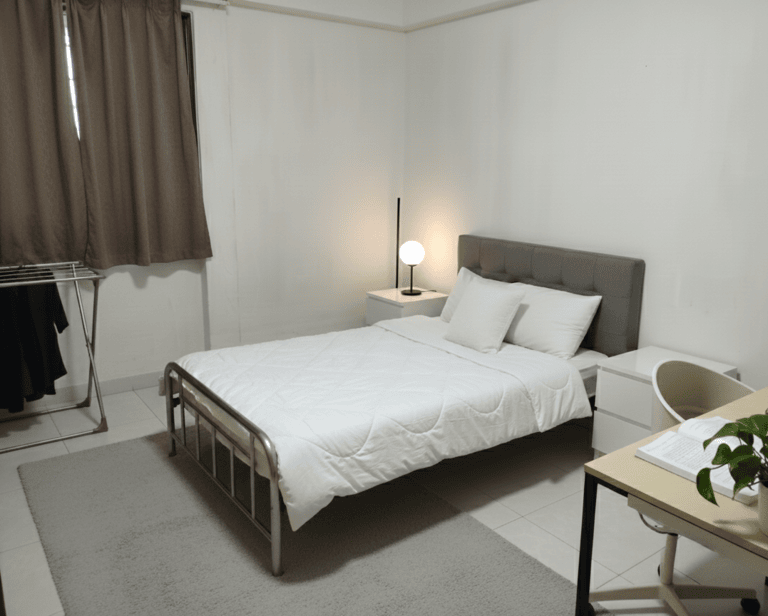
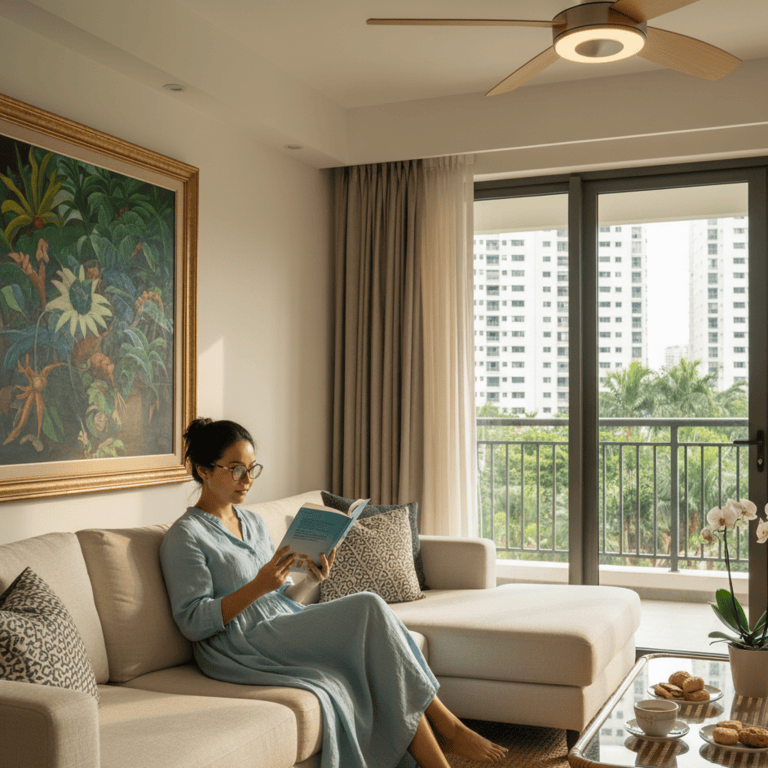
Calculate total monthly costs including rent, utilities, maintenance fees, and transport costs, then divide by usable square footage. Factor in efficiency of space usage - a well-designed 1-bedroom may offer better value than a poorly laid out larger unit. Consider included amenities, storage space, and whether the layout maximizes livable area versus wasted corridor or awkward spaces.
Singapore's diverse rental market means you'll likely live with people from different cultures. Be open-minded about different cooking styles, religious practices, and lifestyle habits. Establish ground rules early about shared spaces, food storage, and cultural celebrations. Respect dietary restrictions and prayer times. This diversity can be enriching if approached with understanding and clear communication.
HDB has ethnic integration policies that may affect room rentals. Some HDB flat owners can only rent to tenants of certain ethnic groups to maintain racial balance in the block. This is a government policy, not discrimination. Ask landlords upfront about any restrictions and understand it's about maintaining community diversity, not personal preference.
Run the shower and taps to test water pressure and hot water – make sure it heats up and flows well. Flush the toilet to ensure it works properly. Look around for any signs of leaks or mold (check under the sink and around the edges of the shower). See if there’s a ventilation fan or window, because you’ll want moisture to escape to prevent mildew.
Look for sun exposure, corridor traffic, and window seals. Older blocks may show wear, so check for water stains, spalling, and musty smells. Test airflow with windows open and closed to understand heat buildup and ventilation effectiveness.
Many 3-bedroom units include a small service yard or utility area near the kitchen for laundry. It’s basically space for a washing machine and to hang clothes. Not all layouts have this, so check the floor plan. If a listing mentions a 'yard' or utility room, that usually means there’s a dedicated laundry area.
No private pools or gyms, but you’ll find community clubs, sports centres, and public pools nearby. Many tenants prefer the neighbourhood feel and everyday convenience.
Maximize vertical space with over-door organizers, under-bed storage boxes, and wall-mounted shelves that don't require drilling. Use multi-functional furniture like storage ottomans. Check if you can use common area storage like store rooms or if the landlord allows additional furniture.