Maximize vertical space with over-door organizers, under-bed storage boxes, and wall-mounted shelves that don't require drilling. Use multi-functional furniture like storage ottomans. Check if you can use common area storage like store rooms or if the landlord allows additional furniture.
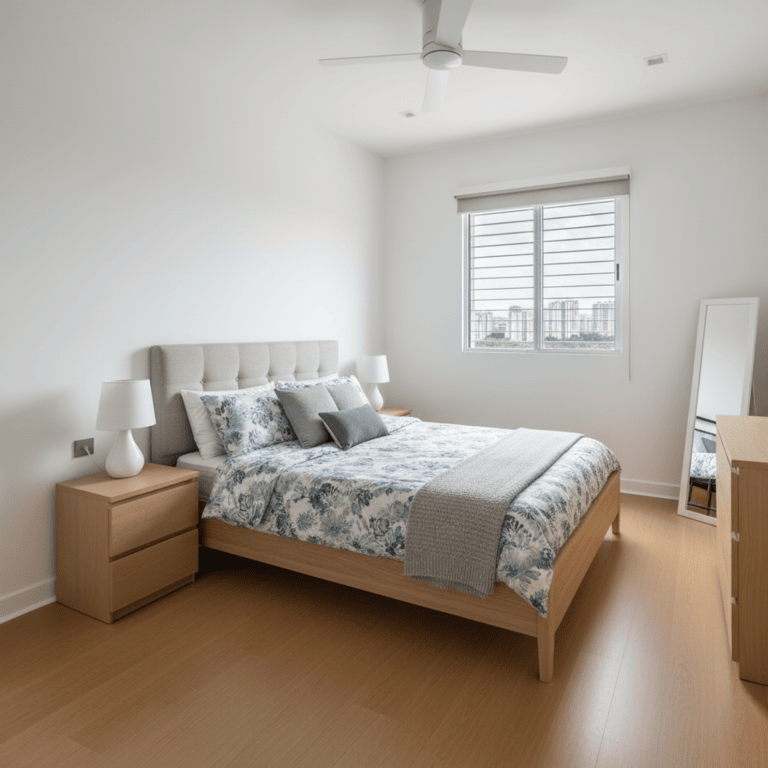
You can use a spare bedroom in many ways. It could be your home office or study, a guest room for visitors, or even a hobby room. Some people turn the extra room into a walk-in closet or extra storage. Essentially, it's bonus space you can adapt to your needs.
Air-con significantly impacts electricity bills in Singapore's climate. Discuss usage patterns with housemates - some prefer it only at night, others need it during work-from-home hours. Agree on temperature settings (24-26°C is efficient) and whether common areas should be cooled. Consider individual room usage tracking or splitting bills proportionally based on usage patterns.
Landed properties typically have higher utility costs due to size, multiple levels, and outdoor areas. Understand how water, electricity, and gas are metered, whether outdoor lighting or water features affect costs, and if there are separate meters for different areas. Budget accordingly for potentially significant utility expenses.
Research the area's safety record, future development plans, and property value trends. Check proximity to essential services like hospitals, schools, and shopping centers. Evaluate public transport connectivity and traffic patterns during peak hours. Consider the community demographics and whether the neighborhood aligns with your lifestyle preferences and long-term plans.
Yes – generally one parking spot comes free with a condo unit. You’ll just need to register your car with the condo management to get a resident parking permit. Most condos allocate one free parking lot per unit, so you shouldn’t have to pay extra for parking.
Condos often run entirely on electricity (no city gas), so heavy air-con or hot water use can push up the power bill. Expect to split utilities—electricity, water, internet—with housemates. Clarify your share and which bills are included in your rent to avoid surprises.
Create a dedicated workspace even if it's just a corner with a desk. Use visual cues like different lighting or a room divider to separate work time from personal time. Establish routines that help you mentally 'leave work' even when you can't physically leave the space.