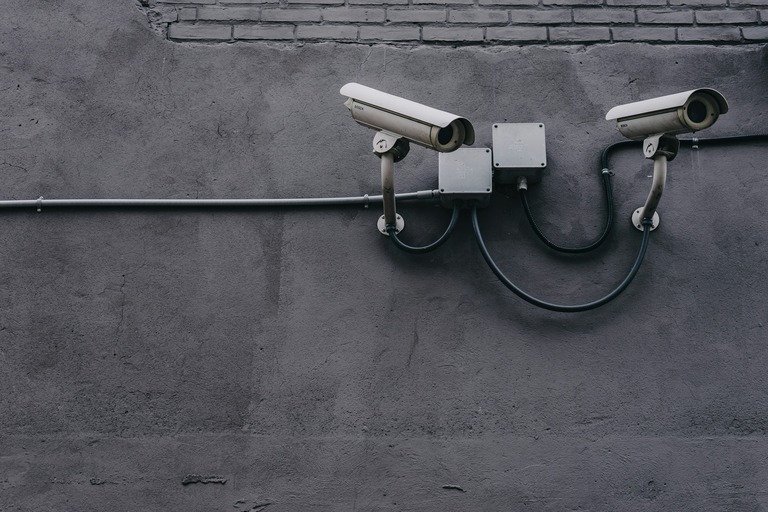
Use thick curtains or blinds, consider a white noise machine for sound privacy, and establish quiet hours with housemates. Create personal space within your room with furniture arrangement, and communicate your need for privacy respectfully. Good locks and personal storage help maintain security.
Learn evacuation routes from your room to emergency exits, understand fire alarm procedures, and know where fire extinguishers are located. Check that smoke detectors in your room work properly and report any issues. Understand building fire safety rules about blocking corridors or emergency exits with personal items.
Condo deliveries usually go through security. If you're not home, couriers often leave parcels at the guardhouse or management office for you to collect later. Some condos will call you or have lockers for packages. Find out your condo's parcel procedure so you don't miss any packages.
HDB rooms often have simpler finishes and fewer shared facilities but practical layouts and solid walls. You’ll trade pools or gyms for straightforward convenience. Prioritize block condition, elevator access, and nearby amenities over lifestyle facilities you won’t use.
Aim to return the home in similar condition, focusing on kitchens, bathrooms, and flooring. Degrease hoods, wipe seals, and clear drains. Replace spent bulbs and wash removable filters. Provide dated photos after cleaning to support a smooth deposit outcome.
Scan for groceries, eateries, clinics, and childcare nearby. Check sheltered walkways and bus stops. If you exercise outdoors, look for simple parks and fitness corners. Everyday errands become easier when essential services are within a short, comfortable stroll.
Clarify with your housemates or landlord how utilities are divided. Often, all occupants split electricity, water, and internet bills equally. In some cases, if one person uses significantly more (e.g., air-con all day), they might pay a bit more. It’s important to agree on a fair arrangement upfront so everyone knows their share of the monthly bills. Keep bills visible to everyone and record transfers for transparency.
Check for window safety features, electrical outlet covers, sharp corners on built-in furniture, and secure balcony railings. Look for adequate lighting, non-slip flooring in bathrooms, and whether the layout allows parents to supervise children easily. Consider proximity to playgrounds and family amenities.