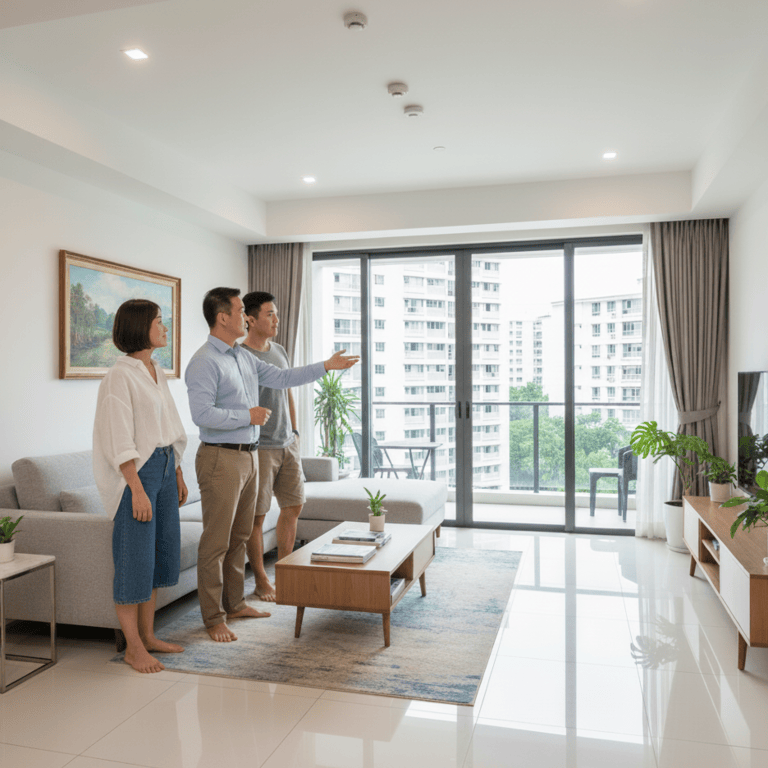
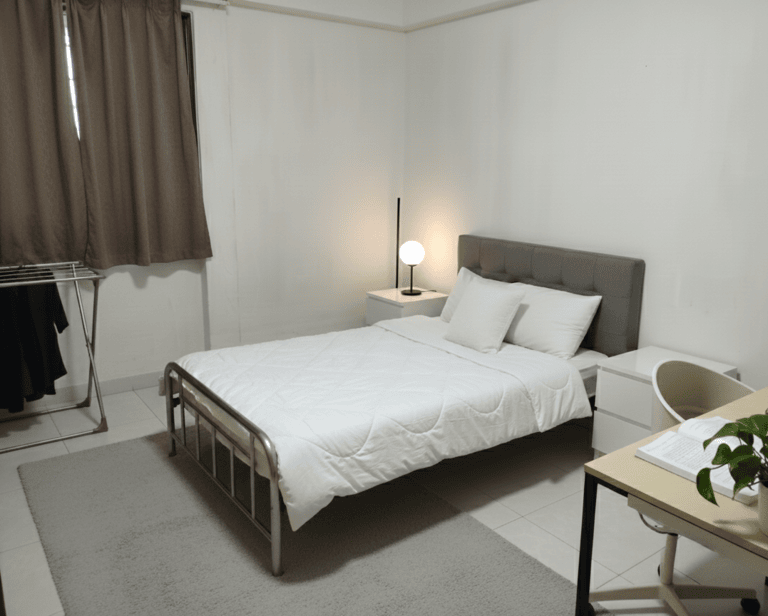
Agree on clear house rules with your flatmates early. Clarify quiet hours, overnight guests, cooking frequency, kitchen use, fridge space, and laundry timing. Discuss cleaning expectations for kitchen and bathrooms. Check rules about smoking or pets. Setting these expectations from the start helps prevent conflicts and keeps everyone comfortable.
Landed properties may require different maintenance approaches for multiple levels, outdoor areas, and potentially more complex systems. Understand your responsibilities versus the landlord's, know how to access different areas safely, and establish procedures for reporting issues. Consider whether you're comfortable with the maintenance demands of a larger property.
Having a private attached bathroom is convenient – no sharing with others. You can use it anytime without waiting. However, you’ll be responsible for keeping it clean (there’s no one else using it). Check that the ensuite has good ventilation or a fan, since moisture can build up. Ensure the drainage slope, water pressure and hot water in the shower are good when you inspect. Overall, an ensuite adds comfort and privacy, but comes with the task of sole upkeep.
Know your landlord's emergency contact and preferred repair service providers. For urgent issues like water leaks or electrical problems, act quickly to prevent damage and notify your landlord immediately. Keep receipts for emergency repairs - some landlords reimburse reasonable emergency costs. Understand what constitutes an emergency versus routine maintenance that can wait.
North-facing units stay cooler but may have less natural light, while west-facing units get hot afternoon sun but brighter interiors. East-facing units get morning sun, and south-facing units receive consistent light throughout the day. Consider your lifestyle, air-con usage, and preference for natural light versus heat management.
You’ll likely enjoy space, privacy, and potential outdoor areas. You won’t share walls or floors with neighbors, so noise is less of an issue. It suits families, pet owners, or hobbies needing storage. In return, expect more maintenance involvement. Clarify responsibilities for gardens, drains, and exterior checks before signing the agreement.
Open kitchens feel social and spacious but spread cooking smells. Closed kitchens contain noise and grease better. Think about your cooking style, ventilation, and how often you host. The right choice depends on whether you prioritize openness or cleanup ease.
Living alone can be isolating, so actively build social connections through neighborhood activities, building events, co-working spaces, or hobby groups. Consider inviting colleagues or friends over regularly, join community centers or sports clubs nearby, and maintain regular contact with family and friends. Balance the privacy benefits of solo living with intentional social engagement.