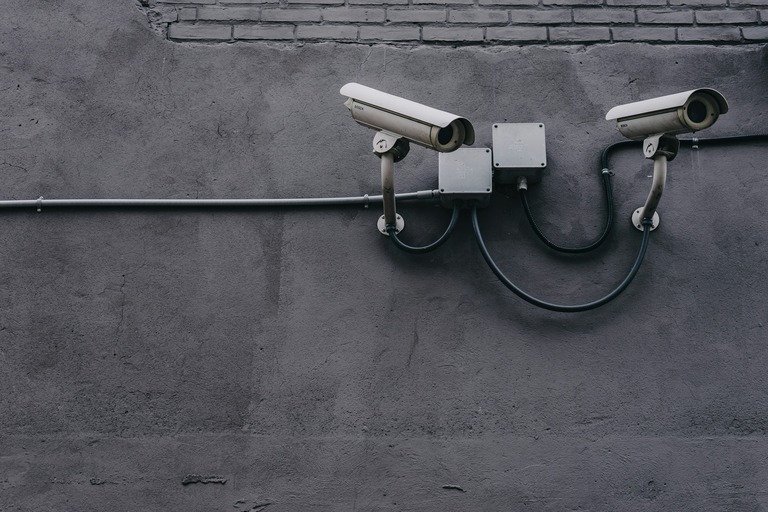
Landed houses may have multiple entry points, ground-level access, and outdoor areas requiring different security considerations. Check all locks, consider motion sensors or security systems, and understand neighborhood security patterns. Establish routines for securing the property and coordinate with neighbors if appropriate.
Clarify with your housemates or landlord how utilities are divided. Often, all occupants split electricity, water, and internet bills equally. In some cases, if one person uses significantly more (e.g., air-con all day), they might pay a bit more. It’s important to agree on a fair arrangement upfront so everyone knows their share of the monthly bills. Keep bills visible to everyone and record transfers for transparency.
Many are, but not all. Confirm air‑con in your room, servicing schedule, usage rules, and who pays for maintenance. Older compressors may be less efficient and noisier.
Factor in daily transport costs to work, not just rent. A cheaper rental far from MRT might cost more overall with daily taxi/grab rides. Consider monthly transport passes, peak hour surcharges, and travel time value. Properties near MRT stations command higher rent but offer convenience and cost savings. Calculate your total monthly housing + transport budget realistically.
Living alone can be isolating, so actively build social connections through neighborhood activities, building events, co-working spaces, or hobby groups. Consider inviting colleagues or friends over regularly, join community centers or sports clubs nearby, and maintain regular contact with family and friends. Balance the privacy benefits of solo living with intentional social engagement.
Master rooms typically consume more electricity due to larger space and ensuite bathroom usage. You'll likely run air-con longer, use more lighting, and the ensuite adds water heating costs. Discuss with housemates whether utility splitting accounts for room size differences or if everyone pays equally regardless of consumption.
Use thick curtains or blinds, consider a white noise machine for sound privacy, and establish quiet hours with housemates. Create personal space within your room with furniture arrangement, and communicate your need for privacy respectfully. Good locks and personal storage help maintain security.
Consider your work-from-home needs versus how often you have guests. A dedicated office provides better work-life separation and productivity, while a guest room offers hosting flexibility. Some people use convertible furniture to serve both purposes, though this requires more setup and organization.