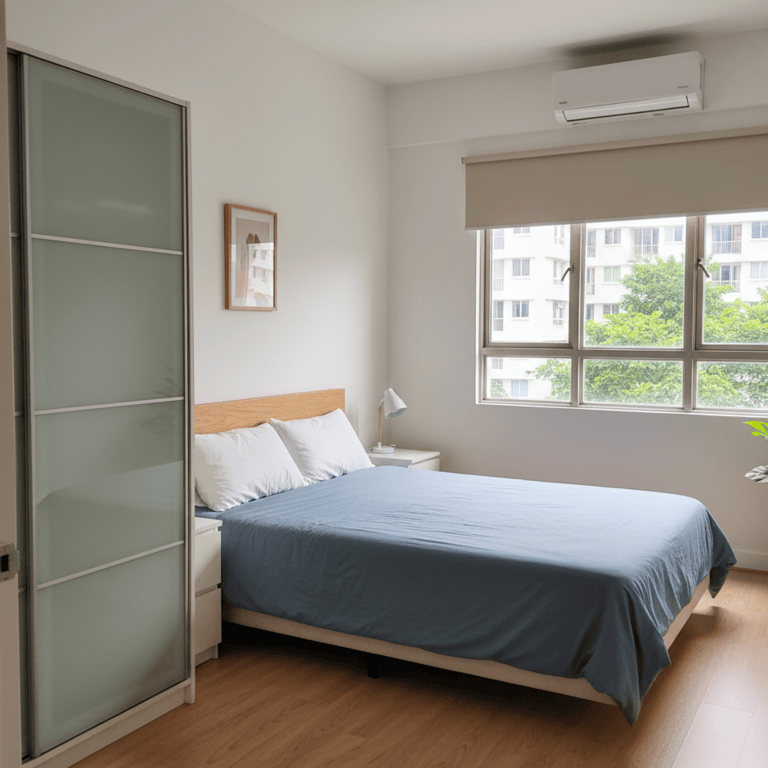
Moving to a master room means adjusting to more space, privacy, and responsibility. You'll have your own bathroom to maintain, potentially higher utility bills, and may be expected to take more household coordination responsibilities. Consider whether you're ready for the lifestyle change, can afford the premium, and want the additional privacy. The transition often comes with both benefits and increased expectations from landlords and housemates.
Open kitchens feel social and spacious but spread cooking smells. Closed kitchens contain noise and grease better. Think about your cooking style, ventilation, and how often you host. The right choice depends on whether you prioritize openness or cleanup ease.
HDB flats typically offer more space and functional layouts for the price. You’ll likely appreciate everyday conveniences nearby. Focus on block condition, lift reliability, and airflow. If you value community feel and straightforward living, HDB can be a comfortable fit.
Large units require more planning for furniture placement, multiple trips, and potentially professional movers. Book moving services early, plan room assignments in advance, and coordinate utility connections. Consider hiring cleaning services and factor in longer setup time to make the large space feel like home.
Confirm whether you’ll park on a driveway or street and how visitors should park. Test gate mechanisms and night lighting. If you own bicycles or scooters, ensure secure storage and a practical route without lifting heavy equipment up stairs.
Landed homes lack the security of condos, so you need to be mindful. Always lock doors, windows, and the gate. If you’re on the ground floor, ensure your window has a grille or strong lock. Some houses have alarms or cameras, but day-to-day safety relies on you being vigilant.
Most condos have strict renovation guidelines that tenants must follow. You typically cannot make structural changes, install permanent fixtures, or renovate during restricted hours. Even minor changes like painting or installing shelves may require management approval and deposits. Always check with building management and get landlord consent before making any modifications.
Create zones with rugs, shelving, and lighting changes. Use furniture placement to carve out separate areas. For example, a shelf or screen can divide your bed from the rest of the space. Try to group your bed, sofa, and desk separately, so sleeping, relaxing, and working each have their own corner in the room.