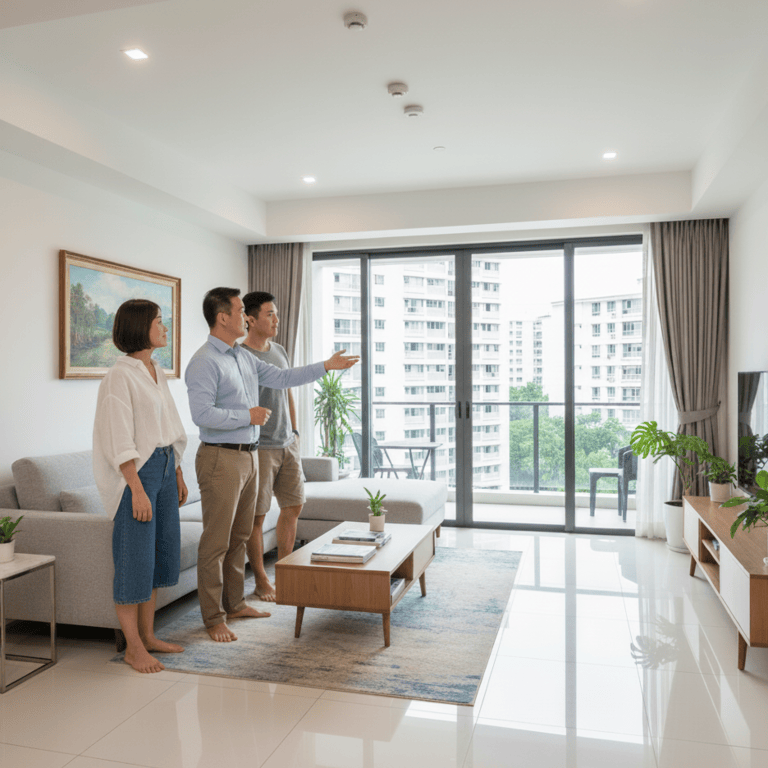
Condo management fees (maintenance fees) are typically included in your rent, but some landlords may pass increases to tenants. These fees cover facility maintenance, security, and common area upkeep. Ask if rent includes all management fees or if there are additional charges for facility usage. Higher-end condos with more amenities generally have higher management fees reflected in rental prices.
Yes. Check that there’s an aircon in each bedroom and the living room. Make sure they all work. Also note the number of power outlets in each room. Some older flats have few sockets, so ensure there’s one where you plan to put your TV or computer. If not, you’ll need extension cords. Knowing this upfront helps you plan.
Consider your long-term needs and budget carefully. 4-bedroom units cost significantly more in rent and utilities, but offer future flexibility as families grow. The extra space can serve as home offices, guest rooms, or hobby areas. However, if you won't use the space effectively, a 3-bedroom might be more economical. Factor in the cost per square foot and your actual space utilization.
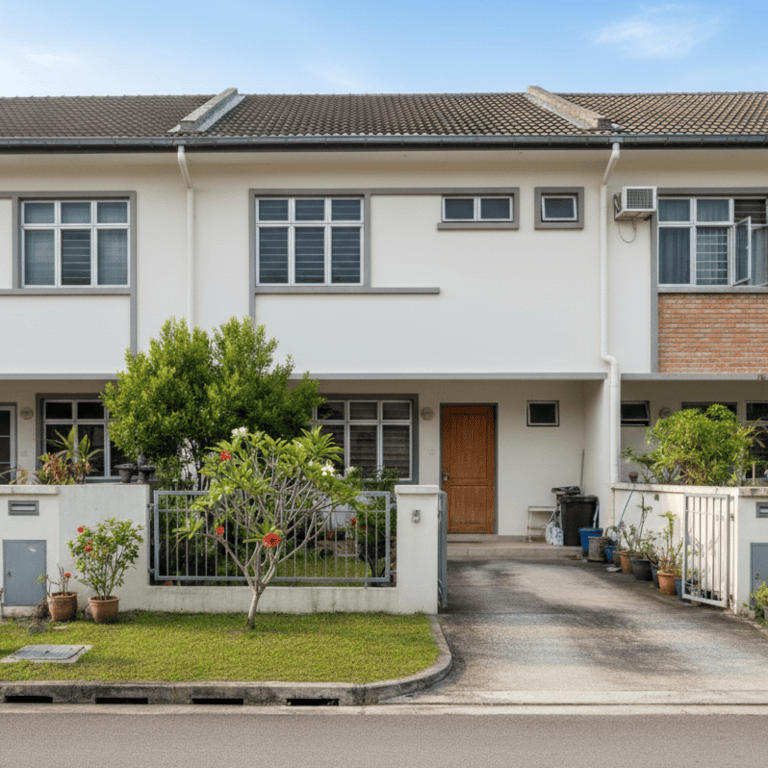
Landed houses may require additional insurance considerations due to ground-level access, gardens, and potential flooding risks. Check if your landlord's insurance covers tenant belongings and liability for accidents on the property. Consider additional coverage for valuable items and personal liability, especially if you have guests using outdoor areas or pools.
Studio entertaining requires creativity due to limited space. Use folding furniture and multi-purpose items to accommodate guests. Consider the noise impact on neighbors in compact buildings. Overnight guests will need to sleep in your main living space, which affects your privacy. Plan gatherings during times when space can be reconfigured for socializing.
A studio apartment is basically one open room (with a separate bathroom). It's best for a single person or a couple who don't mind a compact space. If you prefer minimal upkeep and everything in one area, a studio could suit you.
HDB rooms often have simpler finishes and fewer shared facilities but practical layouts and solid walls. You’ll trade pools or gyms for straightforward convenience. Prioritize block condition, elevator access, and nearby amenities over lifestyle facilities you won’t use.
Decide what’s communal and what’s personal, then stick to it. If you borrow, return items clean and promptly. Replace consumables you finish. A quick message before taking anything avoids misunderstandings and keeps goodwill in the household.