Typically, there's a built-in wardrobe in the bedroom and cabinets in the kitchen. Some 1-bedroom flats include a small storeroom or utility closet. Use vertical space by adding shelves in empty spots. And choose furniture with storage, like a bed with drawers or an ottoman that opens.
Living alone means being prepared for emergencies like power outages, water leaks, or medical issues. Keep emergency contacts readily available, know your building's security and maintenance procedures, maintain a basic first aid kit, and establish check-in routines with family or friends. Know your neighbors and building management for urgent situations when you can't reach your landlord.
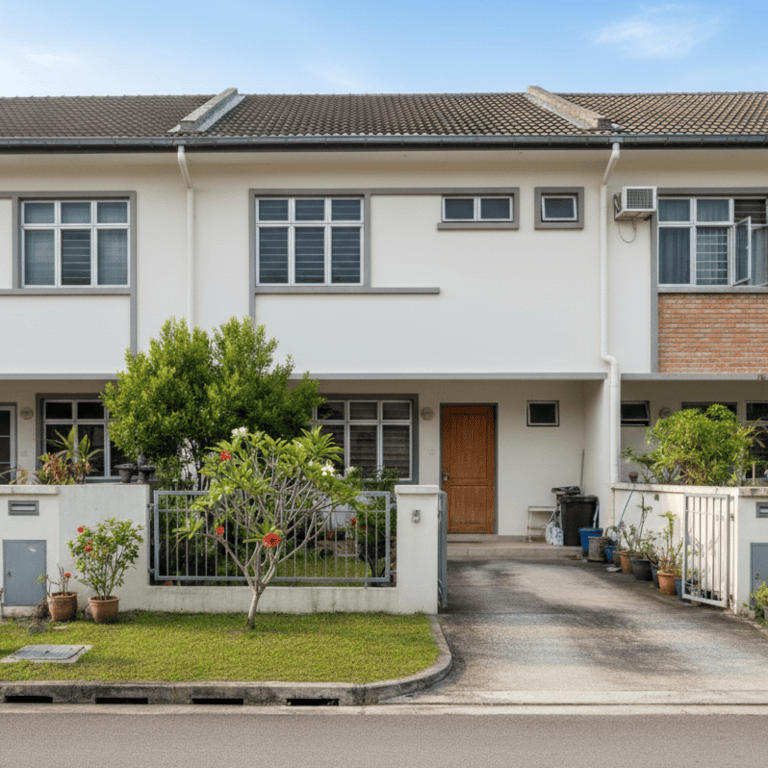
Expect a quieter, more suburban lifestyle with potentially longer commutes to city centers. You'll have more space and privacy but fewer nearby amenities compared to HDB or condo living. The pace is generally slower, with more responsibility for property upkeep. Consider whether you prefer the space and tranquility over urban convenience and connectivity.
Go furnished for convenience and lower upfront setup, but inspect furniture condition and note wear expectations. Choose unfurnished for flexibility and hygiene control, factoring in delivery time, storage needs, and the effort to move items at lease end. It really depends on whether you have furniture and want to customize the space or prefer a move-in-ready setup.
Use multi-functional furniture and vertical space. For example, a bed with drawers underneath or shelves up high on the walls adds storage without taking floor space. Declutter regularly and use hidden storage (like ottomans or coffee tables with compartments) to keep your studio organized.
Maximize vertical space with over-door organizers, under-bed storage boxes, and wall-mounted shelves that don't require drilling. Use multi-functional furniture like storage ottomans. Check if you can use common area storage like store rooms or if the landlord allows additional furniture.
Look for layouts where bedrooms don't directly face each other for better privacy. Check if both bedrooms have windows for natural light and ventilation. Consider whether the kitchen is open or closed to the living area - open kitchens feel spacious but cooking smells spread. Ensure there's adequate storage throughout the unit, not just in bedrooms.
3-bedroom units offer excellent flexibility for families. Start with a master bedroom, nursery, and guest room/study. As children grow, convert the study to a second child's room. The extra space allows for toy storage, play areas, and separate study zones. Consider child-proofing requirements and proximity to good schools when choosing location.