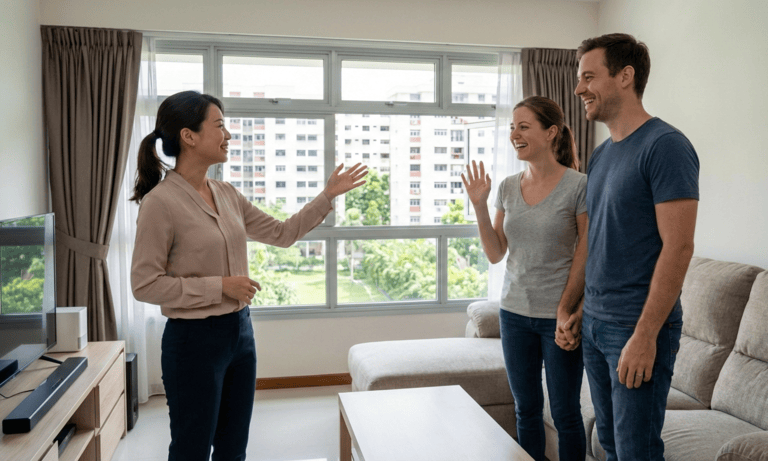
Modern units may include smart locks, video intercoms, app-controlled air-conditioning, or smart lighting. Understand how these systems work and whether you'll have admin access. Check if these features increase your rent or utility costs, and ensure you're comfortable using the technology.
Clarify which accounts must be in your name and how meter readings are recorded at handover. Photograph readings and sockets you’ll use heavily. Schedule installation visits early so internet and power changes don’t disrupt your first week routines.
Check that the kitchen has adequate ventilation to prevent cooking smells from overwhelming the living space. Ensure sufficient counter space for meal prep and storage for kitchen essentials. Look for a proper range hood and consider the proximity to your sleeping area. Some studios have kitchenettes with limited cooking capabilities - confirm this meets your culinary needs.
Master rooms typically consume more electricity due to larger space and ensuite bathroom usage. You'll likely run air-con longer, use more lighting, and the ensuite adds water heating costs. Discuss with housemates whether utility splitting accounts for room size differences or if everyone pays equally regardless of consumption.
Landed houses may require more frequent maintenance like roof repairs, plumbing work, or garden care that can disrupt daily routines. Understand notification procedures for maintenance work, temporary access restrictions, and how repairs might affect your room's utilities or accessibility. Plan accordingly for potentially longer disruption periods.
Expect a quieter, more suburban lifestyle with potentially longer commutes to city centers. You'll have more space and privacy but fewer nearby amenities compared to HDB or condo living. The pace is generally slower, with more responsibility for property upkeep. Consider whether you prefer the space and tranquility over urban convenience and connectivity.
Renting a condo unit gives you on-site amenities and added security. You’ll typically have access to facilities like a swimming pool, gym, and BBQ areas. Condos also provide a gated, secure environment (often with guards or access cards), which means more privacy and peace of mind.
Report common area issues like lift problems, lighting, or pest control to the town council. For unit-specific issues, coordinate with your landlord first. Understand which maintenance falls under town council responsibility versus landlord/tenant responsibility. Keep town council contact information handy for emergencies.