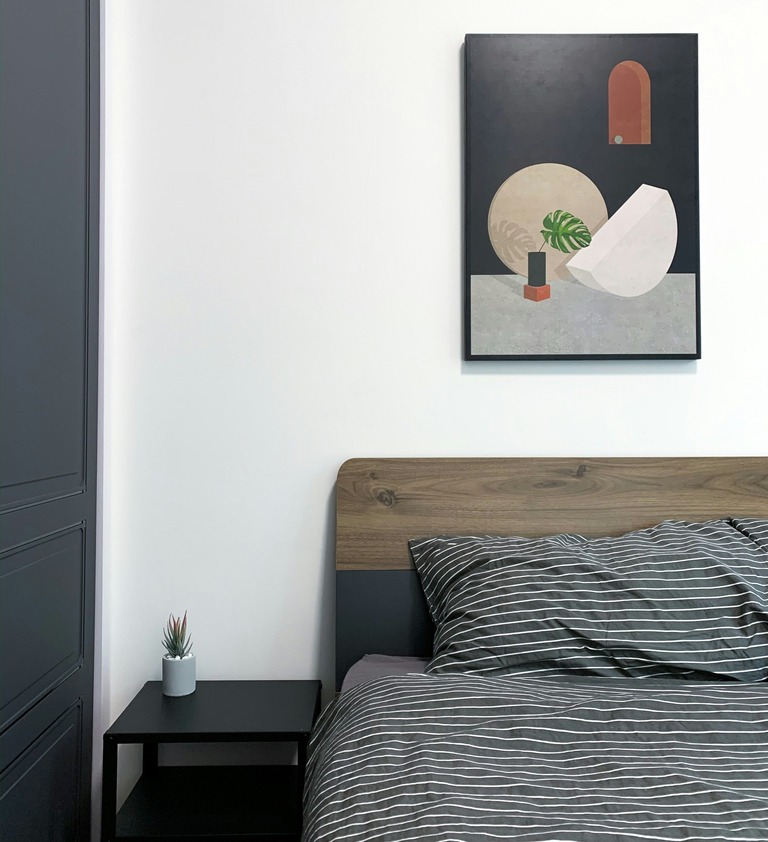
Typically, there's a built-in wardrobe in the bedroom and cabinets in the kitchen. Some 1-bedroom flats include a small storeroom or utility closet. Use vertical space by adding shelves in empty spots. And choose furniture with storage, like a bed with drawers or an ottoman that opens.
Yes – generally one parking spot comes free with a condo unit. You’ll just need to register your car with the condo management to get a resident parking permit. Most condos allocate one free parking lot per unit, so you shouldn’t have to pay extra for parking.
Establish clear common area rules and assign personal storage spaces in each bedroom. Use the third bedroom strategically - as a study, guest room, or helper's quarters. Create a household schedule for shared spaces like bathrooms and kitchen. Consider installing additional hooks and organizers in common areas to prevent clutter.
HDB flats typically offer more space and functional layouts for the price. You’ll likely appreciate everyday conveniences nearby. Focus on block condition, lift reliability, and airflow. If you value community feel and straightforward living, HDB can be a comfortable fit.
Request written consent before drilling or painting. Confirm patching and color reinstatement at move out. Keep invoices for any professional work. Small changes can improve livability, but agreeing responsibilities now prevents friction when returning the unit later.
Ventilation is key. Always use the range hood when cooking and open windows if you can. In a studio, smells travel fast, so clean up right after cooking. You can also light a scented candle or simmer lemon water to help clear the air.
Address cleanliness issues diplomatically by establishing clear cleaning schedules and standards upfront. Document problems with photos if needed, and discuss solutions rather than blame. Consider implementing a cleaning roster, shared cleaning supplies fund, or hiring occasional deep cleaning. If issues persist, involve the landlord or main tenant as mediator. Sometimes different cultural or personal standards require compromise and clear communication.
Communicate openly about issues before they escalate, respect shared spaces, be considerate with noise and cleanliness, and contribute fairly to household expenses. Participate in house meetings, be flexible with compromises, and remember that small gestures like shared meals can build positive relationships.