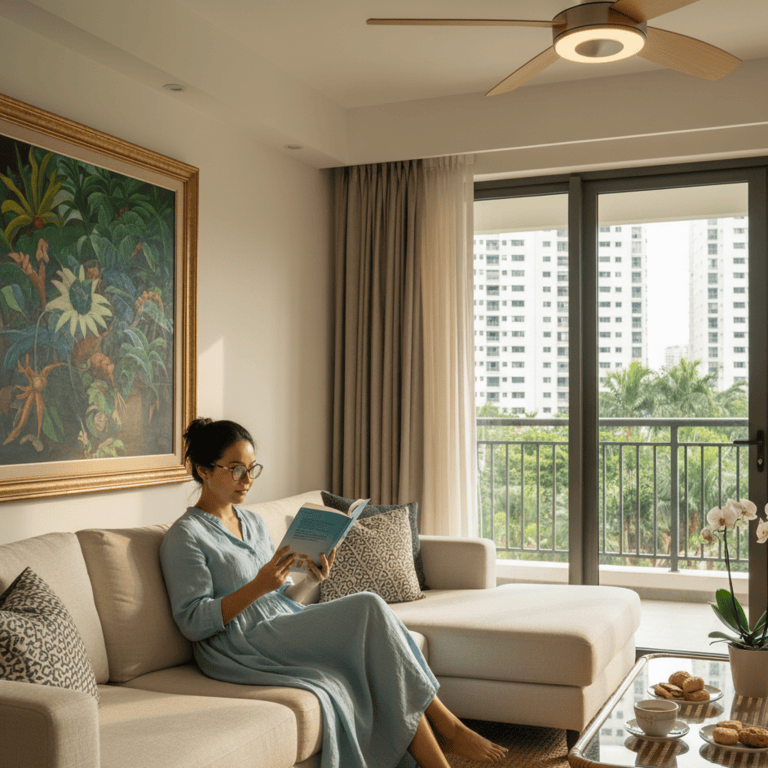
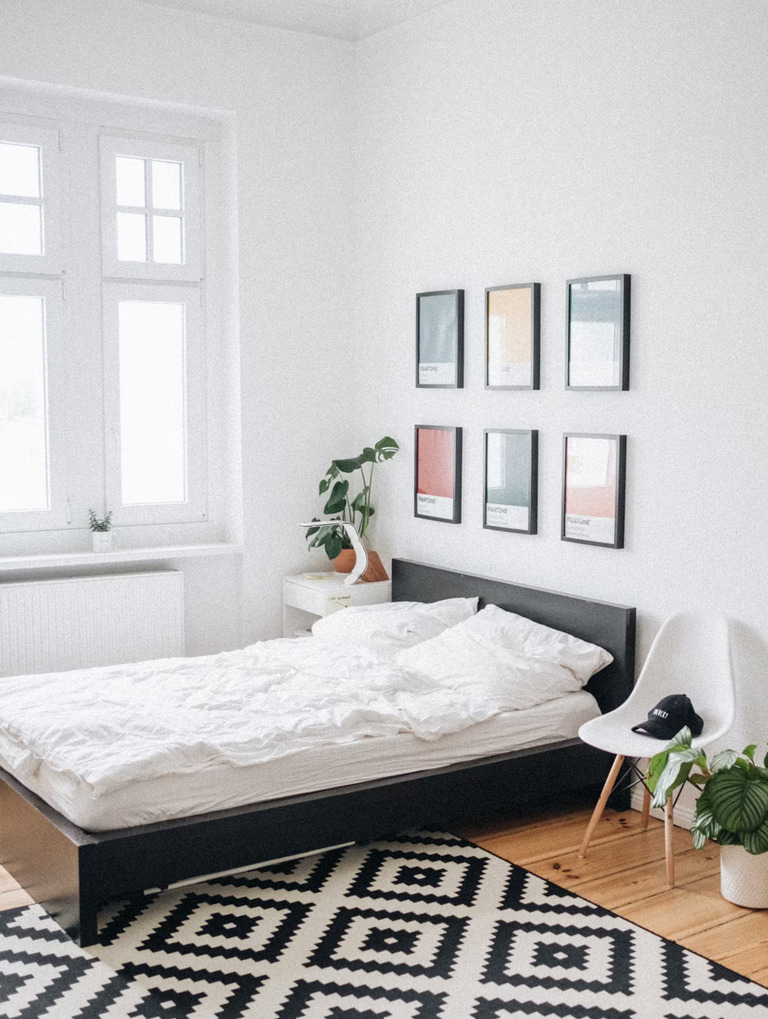
Use the additional space for a work area, reading nook, or exercise space. Consider whether you need all the space for bedroom functions or can create multiple zones. The extra room allows for larger furniture pieces, more storage, or simply a less cramped living environment.
Check window seals and drainage before rainy season starts. Ensure you have adequate ventilation to prevent mold in humid conditions. Stock up on dehumidifiers or moisture absorbers. Know how to operate all fans and air-con units efficiently. Test that umbrellas and rain gear are accessible, and understand evacuation procedures if your area is flood-prone.
Condos have by-laws residents must follow. Common rules cover noise (quiet hours), visitor sign-ins, proper garbage disposal, and use of shared facilities. Ask your landlord about any specific condo rules. Abiding by them will keep you out of trouble with management and neighbors.
Small spaces can impact mental health through feelings of claustrophobia, lack of privacy, and difficulty separating work and personal life. Ensure adequate ventilation to prevent stuffiness and mold. Prioritize natural light and consider full-spectrum lighting for mood regulation. Make time for outdoor activities and social interaction to counteract potential isolation from compact living.
Generally, yes. Landed homes are often in quieter residential areas, so public transport might be a longer walk away. If you don’t drive, check how close the nearest bus stop or MRT is. You’re gaining a quiet environment but giving up some convenience of easy transport access.
Look for layouts where bedrooms don't directly face each other for better privacy. Check if both bedrooms have windows for natural light and ventilation. Consider whether the kitchen is open or closed to the living area - open kitchens feel spacious but cooking smells spread. Ensure there's adequate storage throughout the unit, not just in bedrooms.
Factor in daily transport costs to work, not just rent. A cheaper rental far from MRT might cost more overall with daily taxi/grab rides. Consider monthly transport passes, peak hour surcharges, and travel time value. Properties near MRT stations command higher rent but offer convenience and cost savings. Calculate your total monthly housing + transport budget realistically.
You get an extra room to use flexibly. For example, parents in one room, kids in another, and the third bedroom becomes a study, home office, or helper’s room. Basically, the third room means you don’t have to sacrifice having an office or guest space—you can have both.