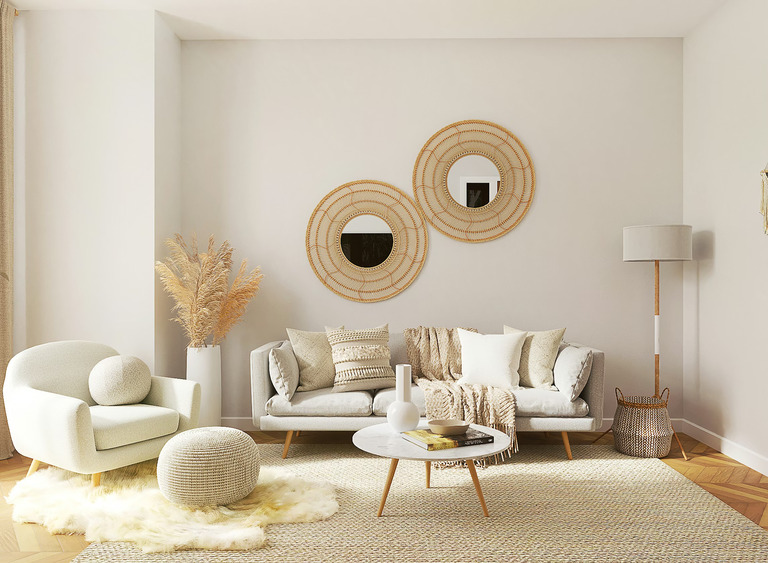
Ventilation and sunlight can make a small room feel more comfortable and livable. Natural light makes the space feel more open and pleasant, and it can even improve your mood. See if it has a window that opens to outdoors (and not just into a corridor or airwell). Good ventilation and light are key for your daily comfort in that space.
Most 4-bedroom units have one master bedroom with ensuite, and three smaller bedrooms sharing 1-2 additional bathrooms. Some premium units offer two master suites. Common areas typically include larger living/dining spaces and bigger kitchens to accommodate family needs. Check if bedrooms are clustered together or spread throughout the unit for privacy considerations.
In a landed house, residents handle all the cleaning. Large spaces (living rooms, kitchen, stairs) mean more work, so housemates should set a chore routine or hire a cleaner together. Agreeing on who cleans what (and when) keeps the big home comfortable for everyone.
Even with more space, it’s wise to plan storage to avoid clutter. Use the built-in wardrobes in the bedrooms. If one bedroom is spare, add extra shelves or cabinets there. Use any storeroom or utility room for bulky items. Assign each type of item a spot so storage is spread out. And declutter regularly even with more room.
Be wary of listings with prices significantly below market rate, requests for payment before viewing, or landlords who can't meet in person. Verify ownership through property records if possible. Never transfer large sums without seeing the property and meeting the actual landlord or authorized agent. Use secure payment methods and get proper receipts for all transactions.
Condo management fees (maintenance fees) are typically included in your rent, but some landlords may pass increases to tenants. These fees cover facility maintenance, security, and common area upkeep. Ask if rent includes all management fees or if there are additional charges for facility usage. Higher-end condos with more amenities generally have higher management fees reflected in rental prices.
Check names of parties, address, start date, length, payment schedule, inventory, access to facilities, and who handles maintenance. Confirm guest policy, notice periods, and early termination terms in writing before paying any deposit or handing over documents.
Prepare a list of questions about utilities, maintenance, lease terms, and neighborhood amenities. Bring a measuring tape for furniture planning and take photos/videos for later comparison. Check water pressure, electrical outlets, mobile reception, and natural light. View properties at different times if possible to assess noise levels and traffic patterns.