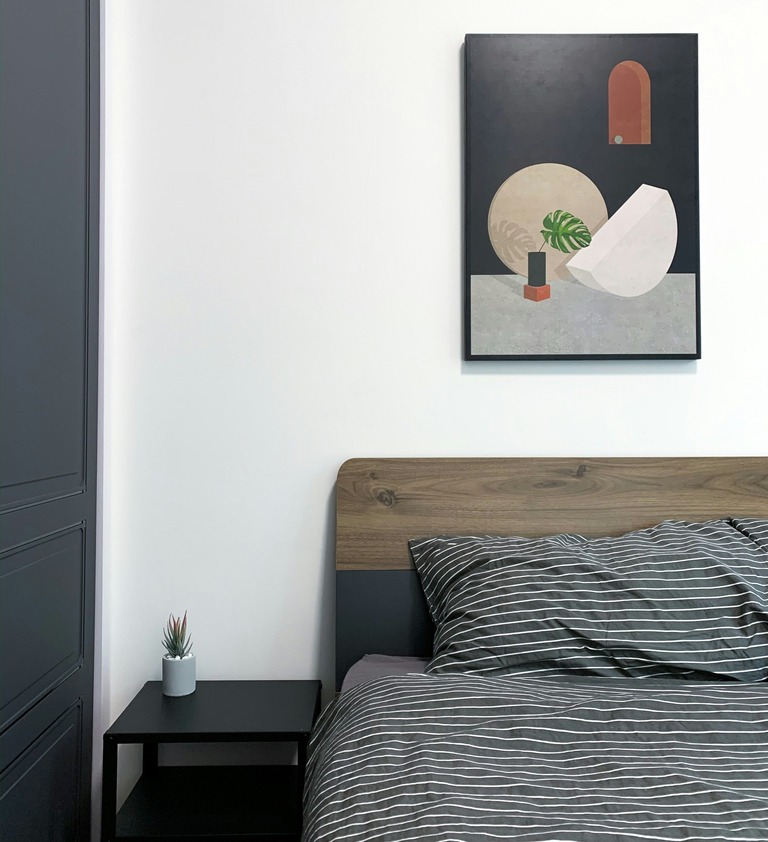
Yes, many couples rent master rooms. If you’re a couple, confirm with the landlord that two people are allowed in that room (most masters are fine for couples, but some landlords set limits). Consider that as a couple, you’ll likely use more utilities – discuss with your housemates or landlord how the utility split is handled for two people. Also, ensure the master room has enough space and storage for both of your belongings. Privacy-wise, a master is great since you have your own bathroom and more space, which suits a couple’s needs. Just be open about being a pair so everyone in the household is aware and okay with it.
Small spaces can impact mental health through feelings of claustrophobia, lack of privacy, and difficulty separating work and personal life. Ensure adequate ventilation to prevent stuffiness and mold. Prioritize natural light and consider full-spectrum lighting for mood regulation. Make time for outdoor activities and social interaction to counteract potential isolation from compact living.
Yes, usually the dining area in a 4-bedroom flat is sized for a big family. You can typically fit a 6- or 8-seater table comfortably. Some layouts have a separate dining room, others a large combined living/dining area. Either way, you should have space for everyone to eat together. It’s wise to measure if you own a huge dining set, but generally these units accommodate family dining well.
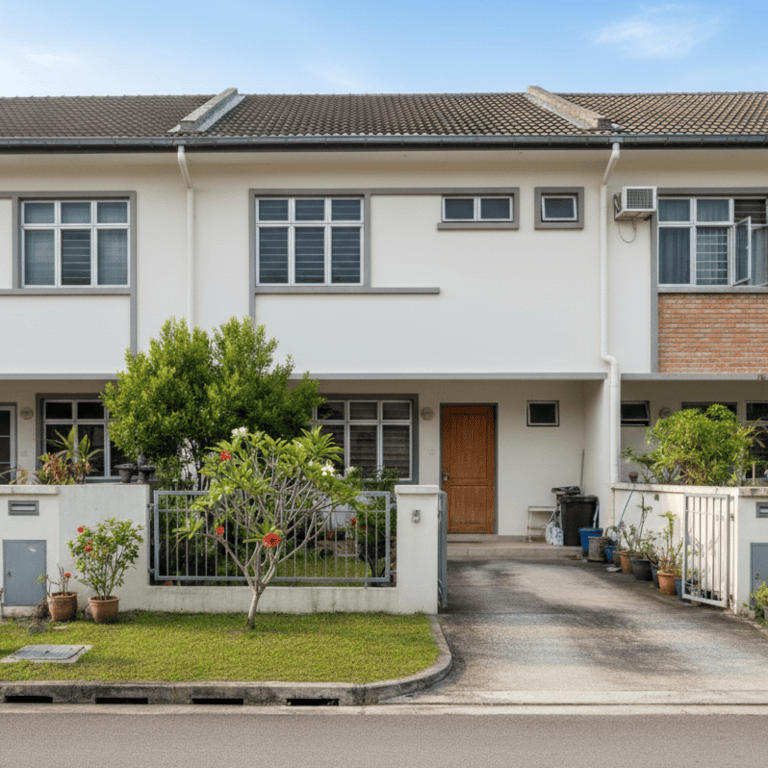
Landed houses may require more frequent maintenance like roof repairs, plumbing work, or garden care that can disrupt daily routines. Understand notification procedures for maintenance work, temporary access restrictions, and how repairs might affect your room's utilities or accessibility. Plan accordingly for potentially longer disruption periods.
HDB flats are government-built public housing with practical layouts and affordable rent, but fewer amenities. Condominiums are private developments with facilities like pools and gyms, but higher rent and management fees. Landed houses offer the most space and privacy with gardens, but are the most expensive and may be further from public transport. Each serves different lifestyle needs and budgets.
Living alone means being prepared for emergencies like power outages, water leaks, or medical issues. Keep emergency contacts readily available, know your building's security and maintenance procedures, maintain a basic first aid kit, and establish check-in routines with family or friends. Know your neighbors and building management for urgent situations when you can't reach your landlord.
Check for window safety features, electrical outlet covers, sharp corners on built-in furniture, and secure balcony railings. Look for adequate lighting, non-slip flooring in bathrooms, and whether the layout allows parents to supervise children easily. Consider proximity to playgrounds and family amenities.
Clarify responsibility for mowing, pruning, sweeping, and bin management. Agree on weed control and handling of fallen leaves after storms. If a gardener is included, confirm frequency and scope. Outdoor upkeep keeps pests down and protects your deposit.