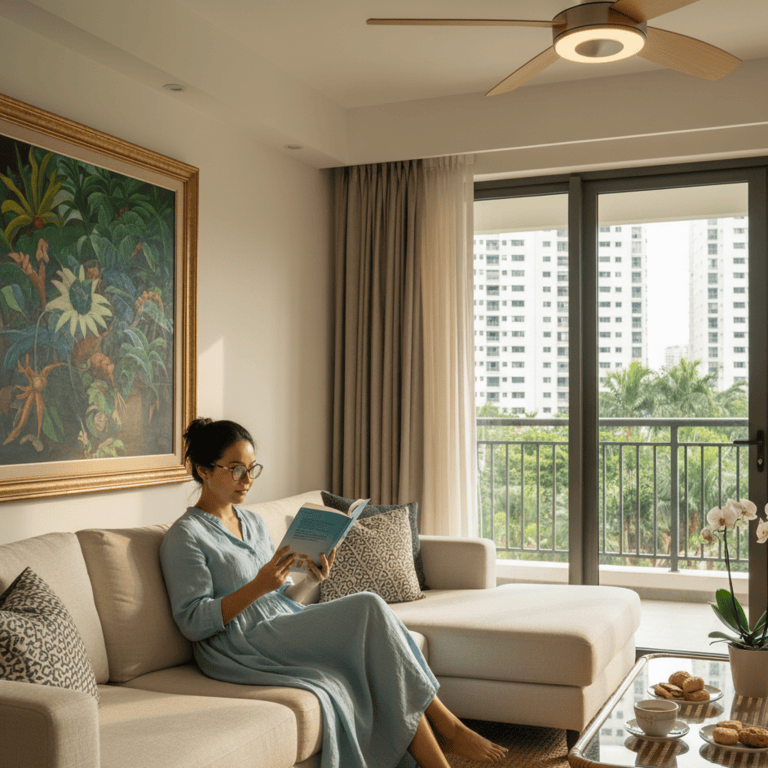
Air-con significantly impacts electricity bills in Singapore's climate. Discuss usage patterns with housemates - some prefer it only at night, others need it during work-from-home hours. Agree on temperature settings (24-26°C is efficient) and whether common areas should be cooled. Consider individual room usage tracking or splitting bills proportionally based on usage patterns.
Learn evacuation routes from your room to emergency exits, understand fire alarm procedures, and know where fire extinguishers are located. Check that smoke detectors in your room work properly and report any issues. Understand building fire safety rules about blocking corridors or emergency exits with personal items.
HDB's ethnic integration policy may limit rental options based on the current ethnic composition of the block. This affects both tenants and landlords. Be prepared for potential limitations and understand that this is a government policy designed to maintain racial harmony, not discrimination by individual landlords.
You need to plan beyond just monthly rent. Budget for your security deposit, utility bills (electricity, water, gas), internet, and any regular maintenance or air-con servicing costs. Also factor in moving expenses and possible agent fees.
Address excessive utility usage diplomatically but firmly. Document patterns with photos of meter readings or bills showing spikes. Propose individual monitoring solutions like smart plugs for high-energy appliances or separate air-con timers. Consider splitting bills proportionally based on actual usage rather than equally. If direct conversation fails, involve the landlord to mediate or implement individual metering systems.
Use room dividers, curtains, or tall furniture to create visual separation between sleeping, working, and living areas. Strategic lighting can create intimate spaces within the open plan. Consider a murphy bed or loft bed to maximize floor space during the day. Establish routines that give you psychological separation between work and rest time.
Condos regularly schedule maintenance for elevators, water systems, and facilities that can disrupt daily routines. Stay informed through building notices, plan alternative routes during elevator maintenance, and keep backup water supplies during plumbing work. Communicate with your landlord about any major disruptions that affect your room's habitability or access.
Many are, but not all. Confirm air‑con in your room, servicing schedule, usage rules, and who pays for maintenance. Older compressors may be less efficient and noisier.