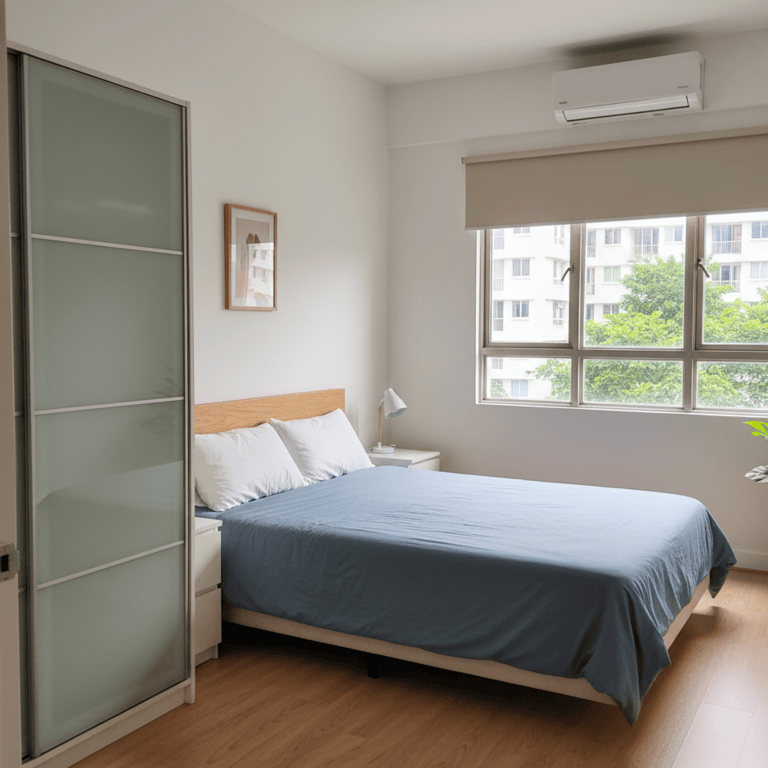
Rooms beside the living room, corridor, or kitchen feel busier. If the room's window faces a busy street or the corridor where neighbors walk by, you might also get more outside or hallway noise. Check door seals and window frames. Soft furnishings like rugs and thicker curtains can help reduce everyday noise transfer.
No private pools or gyms, but you’ll find community clubs, sports centres, and public pools nearby. Many tenants prefer the neighbourhood feel and everyday convenience.
1-bedrooms can work well for couples who spend time together and don't need separate workspaces. Consider whether you both work from home, have different sleep schedules, or need personal space. Check if the living area can accommodate both partners' belongings and activities comfortably.
Check names of parties, address, start date, length, payment schedule, inventory, access to facilities, and who handles maintenance. Confirm guest policy, notice periods, and early termination terms in writing before paying any deposit or handing over documents.
North-facing units stay cooler but may have less natural light, while west-facing units get hot afternoon sun but brighter interiors. East-facing units get morning sun, and south-facing units receive consistent light throughout the day. Consider your lifestyle, air-con usage, and preference for natural light versus heat management.
Coordinate with your roommate about quiet hours, morning routines, and shared space usage during different schedules. Consider soundproofing measures like rugs, curtains, or white noise machines. Discuss kitchen and bathroom usage during early morning or late night hours. Establish guidelines for guests and entertainment when one person is sleeping.
Check that the kitchen has adequate ventilation to prevent cooking smells from overwhelming the living space. Ensure sufficient counter space for meal prep and storage for kitchen essentials. Look for a proper range hood and consider the proximity to your sleeping area. Some studios have kitchenettes with limited cooking capabilities - confirm this meets your culinary needs.
You need to plan beyond just monthly rent. Budget for your security deposit, utility bills (electricity, water, gas), internet, and any regular maintenance or air-con servicing costs. Also factor in moving expenses and possible agent fees.