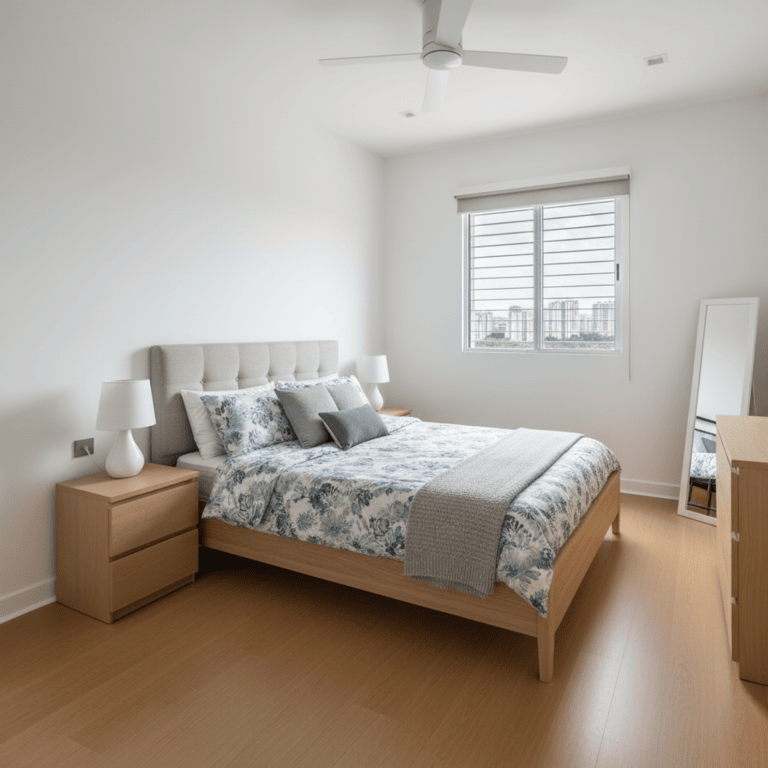
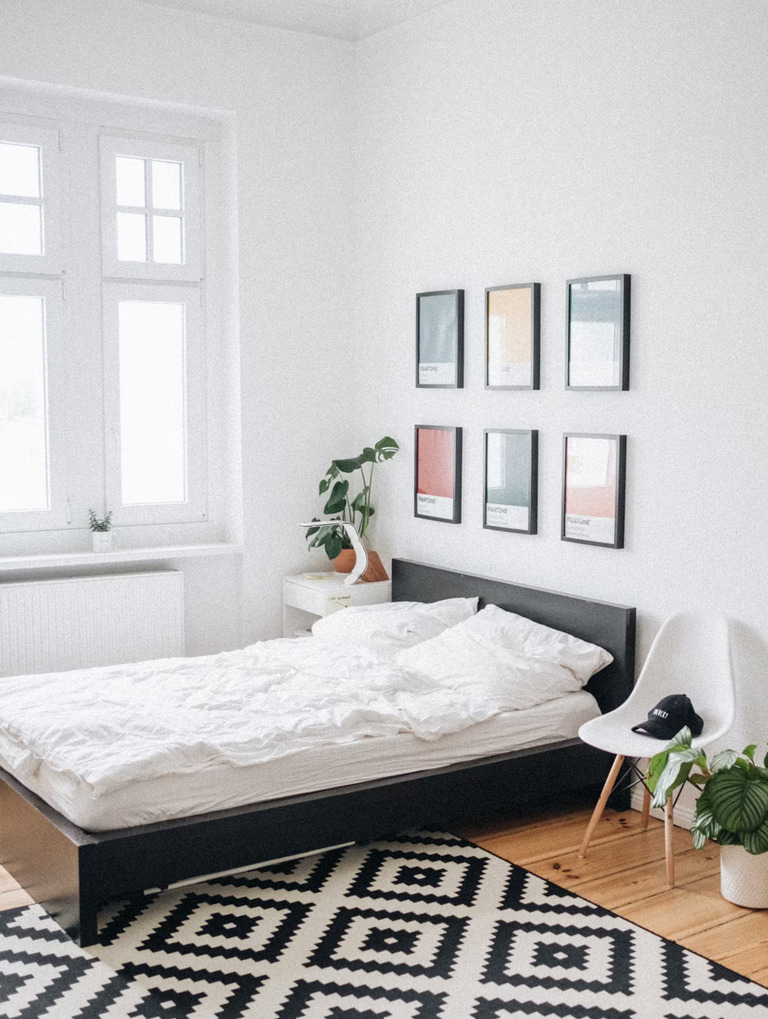
You can use a spare bedroom in many ways. It could be your home office or study, a guest room for visitors, or even a hobby room. Some people turn the extra room into a walk-in closet or extra storage. Essentially, it's bonus space you can adapt to your needs.
Look for layouts where bedrooms don't directly face each other for better privacy. Check if both bedrooms have windows for natural light and ventilation. Consider whether the kitchen is open or closed to the living area - open kitchens feel spacious but cooking smells spread. Ensure there's adequate storage throughout the unit, not just in bedrooms.
Yes, usually the dining area in a 4-bedroom flat is sized for a big family. You can typically fit a 6- or 8-seater table comfortably. Some layouts have a separate dining room, others a large combined living/dining area. Either way, you should have space for everyone to eat together. It’s wise to measure if you own a huge dining set, but generally these units accommodate family dining well.
Use multi-functional furniture like storage beds, extendable dining tables, and wall-mounted desks. Create defined zones with room dividers or furniture placement. Utilize vertical storage, under-stair spaces, and consider whether the living area can double as a workspace or guest room when needed.
A studio apartment is basically one open room (with a separate bathroom). It's best for a single person or a couple who don't mind a compact space. If you prefer minimal upkeep and everything in one area, a studio could suit you.
Look for units where bedrooms are well-separated, preferably not all clustered together. Check sound insulation between rooms, whether there are multiple bathroom facilities, and if common areas allow for both social interaction and private space. Consider the unit's layout for natural privacy zones.
Request to see the landlord's NRIC and property ownership documents or tenancy agreement if they're a main tenant. Check property records through official channels if needed. Be wary of landlords who refuse to meet in person, demand cash-only payments, or pressure for immediate decisions. Legitimate landlords will provide proper documentation and allow reasonable verification time.
HDB has ethnic integration policies that may affect room rentals. Some HDB flat owners can only rent to tenants of certain ethnic groups to maintain racial balance in the block. This is a government policy, not discrimination. Ask landlords upfront about any restrictions and understand it's about maintaining community diversity, not personal preference.