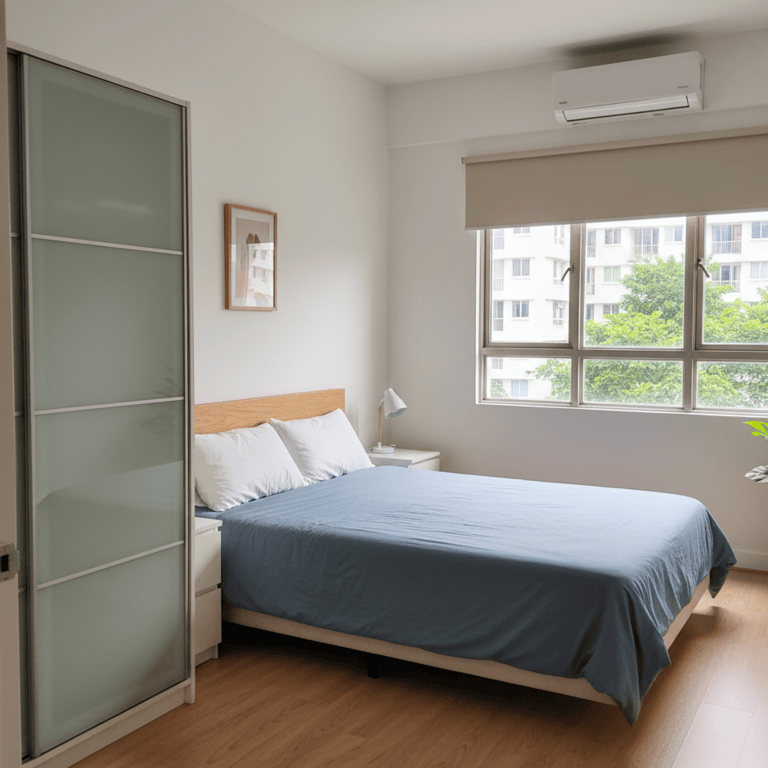
Coordinate with your roommate about quiet hours, morning routines, and shared space usage during different schedules. Consider soundproofing measures like rugs, curtains, or white noise machines. Discuss kitchen and bathroom usage during early morning or late night hours. Establish guidelines for guests and entertainment when one person is sleeping.
Even with more space, it’s wise to plan storage to avoid clutter. Use the built-in wardrobes in the bedrooms. If one bedroom is spare, add extra shelves or cabinets there. Use any storeroom or utility room for bulky items. Assign each type of item a spot so storage is spread out. And declutter regularly even with more room.
Singapore's diverse rental market means you'll likely live with people from different cultures. Be open-minded about different cooking styles, religious practices, and lifestyle habits. Establish ground rules early about shared spaces, food storage, and cultural celebrations. Respect dietary restrictions and prayer times. This diversity can be enriching if approached with understanding and clear communication.
Yes, a larger space usually means higher utility costs. In a 4-bedroom, you may run four or more aircon units plus more lights and devices, which adds up. More people/rooms also likely means more water usage. So expect to pay higher electricity and water bills than in a smaller unit. To manage costs, use AC and lights only when needed and choose energy-efficient appliances.
For unit-specific issues, contact your landlord first. For common area problems or facility issues, you can report directly to condo management. Some condos have apps or online portals for maintenance requests. Understand the difference between landlord responsibilities (your unit) and management responsibilities (common areas) to report issues to the right party efficiently.
Common arrangements include parents' master bedroom, children's shared room, and a guest/study room. Some families give each child their own room, while others use one as a home office or playroom. Consider your family's current and future needs, including whether children will want separate rooms as they grow.
Studio entertaining requires creativity due to limited space. Use folding furniture and multi-purpose items to accommodate guests. Consider the noise impact on neighbors in compact buildings. Overnight guests will need to sleep in your main living space, which affects your privacy. Plan gatherings during times when space can be reconfigured for socializing.
Set polite boundaries. Keep your door closed or locked when you need personal space or quiet. Communicate with housemates about quiet hours (for example, agree on lowering noise after a certain time at night). Use headphones if you’re watching movies or listening to music late. Respecting each other’s schedules and discussing noise or privacy concerns openly will help everyone coexist comfortably.