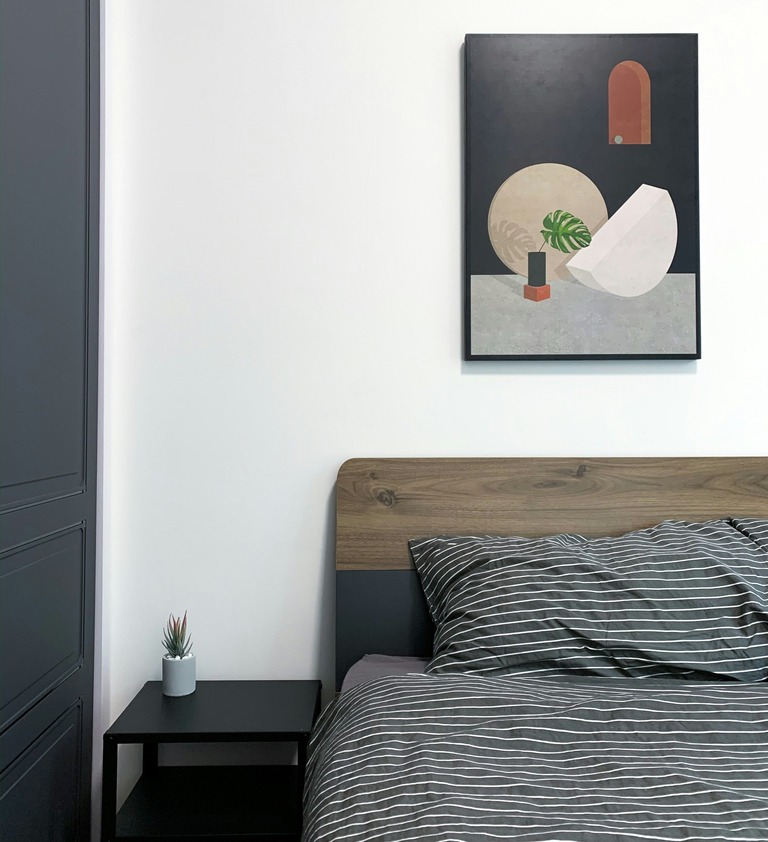
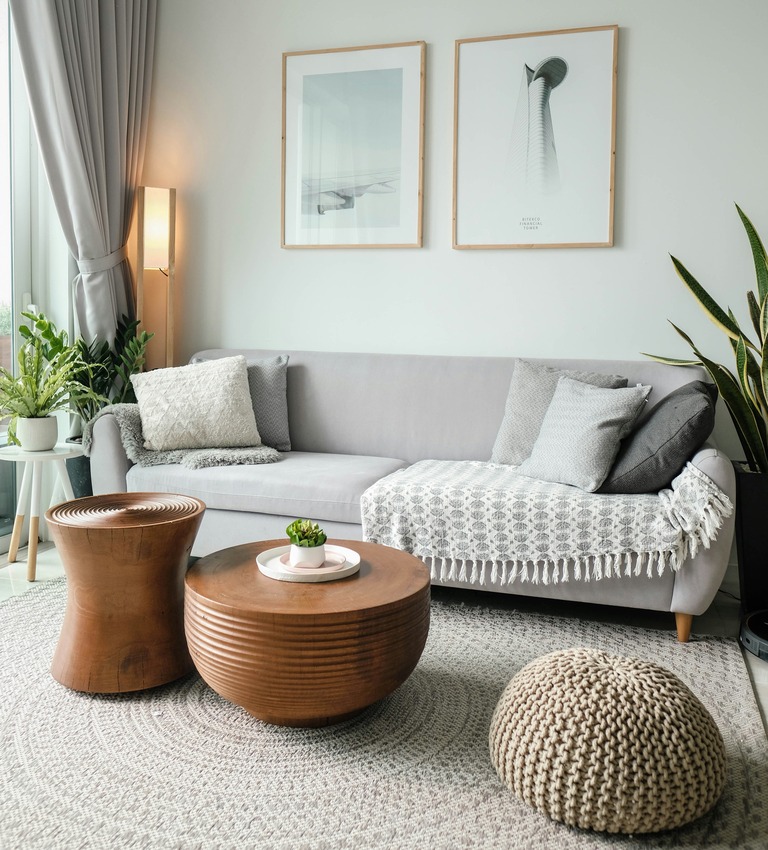
Place your desk in the living area and keep the bedroom for sleep. Close the bedroom door for mental separation. Good habits around screen time help the space feel restful after hours.
Multi-story landed houses can have complex privacy dynamics with bedrooms on different levels. Consider noise transmission between floors, whether your room has direct access or requires passing through common areas, and how bathroom sharing works across floors. Upper floor rooms may offer more privacy but require consideration of stairs and emergency access.
Air-con significantly impacts electricity bills in Singapore's climate. Discuss usage patterns with housemates - some prefer it only at night, others need it during work-from-home hours. Agree on temperature settings (24-26°C is efficient) and whether common areas should be cooled. Consider individual room usage tracking or splitting bills proportionally based on usage patterns.
Consider your work-from-home needs versus how often you have guests. A dedicated office provides better work-life separation and productivity, while a guest room offers hosting flexibility. Some people use convertible furniture to serve both purposes, though this requires more setup and organization.
Check the agreement for notice and replacement terms. Align on advertising, viewings, and how utilities are split during the gap. Keep shared costs transparent so no one subsidizes unfairly. Get approvals in writing before a new person joins.
Many are, but not all. Confirm air‑con in your room, servicing schedule, usage rules, and who pays for maintenance. Older compressors may be less efficient and noisier.
Landed houses often have higher utility consumption due to larger spaces and multiple floors. Air-conditioning costs can be significant with bigger rooms and common areas. Water usage may be higher with garden watering. Discuss how utilities are split among housemates and whether there are caps or guidelines for usage to avoid bill shock.
Establish clear common area rules and assign personal storage spaces in each bedroom. Use the third bedroom strategically - as a study, guest room, or helper's quarters. Create a household schedule for shared spaces like bathrooms and kitchen. Consider installing additional hooks and organizers in common areas to prevent clutter.