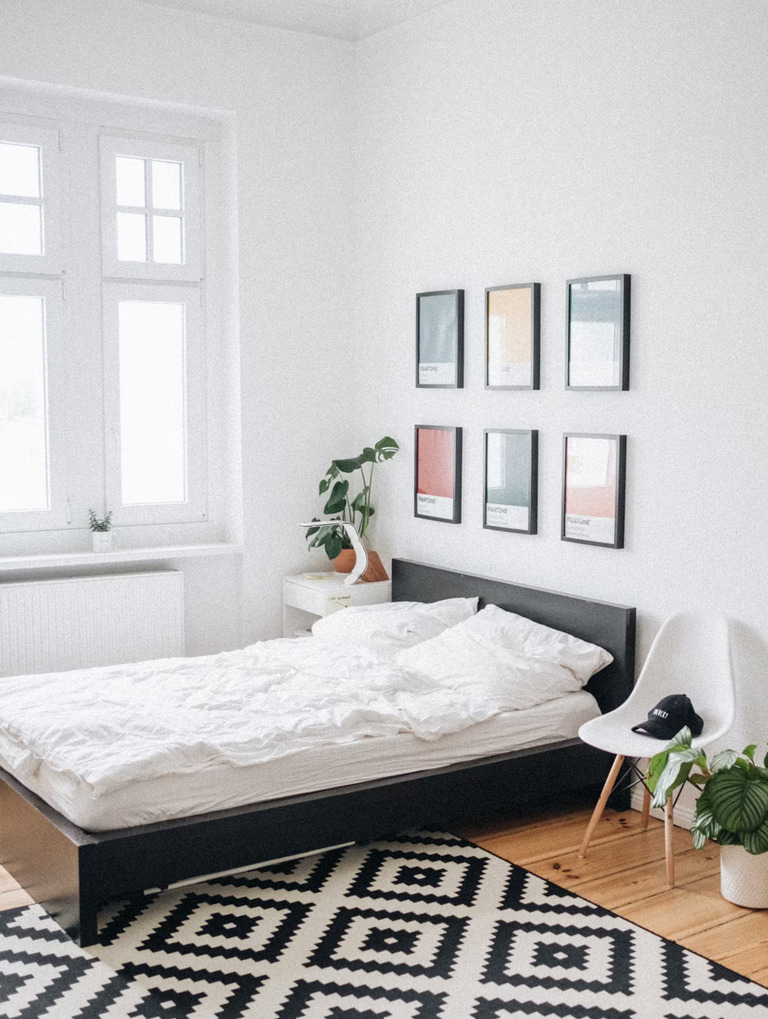
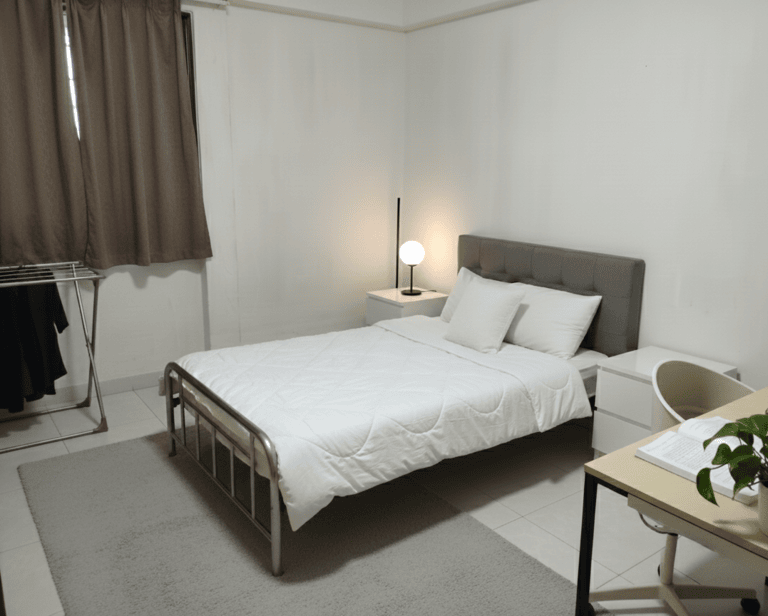
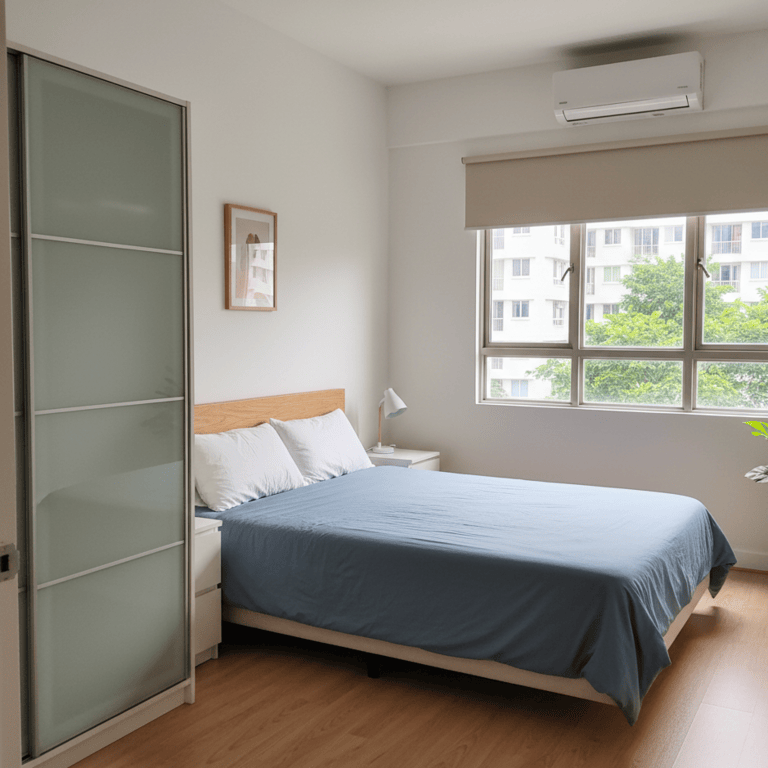
Look for units where bedrooms are well-separated, preferably not all clustered together. Check sound insulation between rooms, whether there are multiple bathroom facilities, and if common areas allow for both social interaction and private space. Consider the unit's layout for natural privacy zones.
Landed houses often have higher utility consumption due to larger spaces and multiple floors. Air-conditioning costs can be significant with bigger rooms and common areas. Water usage may be higher with garden watering. Discuss how utilities are split among housemates and whether there are caps or guidelines for usage to avoid bill shock.
Save the signed agreement, inventory, payment receipts, and all maintenance chats. Store dated photos of existing defects and meter readings. Keeping a single folder prevents disputes and speeds up deposit discussions at the end.
Clarify whether you can use gardens, patios, or outdoor areas, and what maintenance responsibilities you might have. Some landlords allow tenants to use outdoor spaces for relaxation or small gatherings, while others restrict access. Understand any rules about outdoor furniture, plants, or modifications.
Ground floor units offer easy access without lift dependency, convenient for moving furniture or groceries, and potential for small gardens or patios. However, they may have less privacy, more noise from foot traffic, and security concerns. High floor units provide better views, more privacy, less noise, and better ventilation, but depend on lift access and may be less convenient for daily errands.
With 4 bedrooms, you likely have multiple occupants requiring good communication systems. Consider shared calendars for bathroom schedules, cleaning rotations, and common area usage. Establish house rules early about guests, noise levels, and shared resource usage. Regular house meetings help address issues before they become conflicts. Clear labeling of personal items in shared spaces prevents confusion.
Look for sun exposure, corridor traffic, and window seals. Older blocks may show wear, so check for water stains, spalling, and musty smells. Test airflow with windows open and closed to understand heat buildup and ventilation effectiveness.
Master rooms command premium rent due to size and ensuite access. Research comparable listings to understand market rates. Consider negotiating longer lease terms for rent stability, or ask about inclusive utility caps to manage higher consumption costs. Some landlords offer furnished master rooms - evaluate if the premium is worth the convenience.