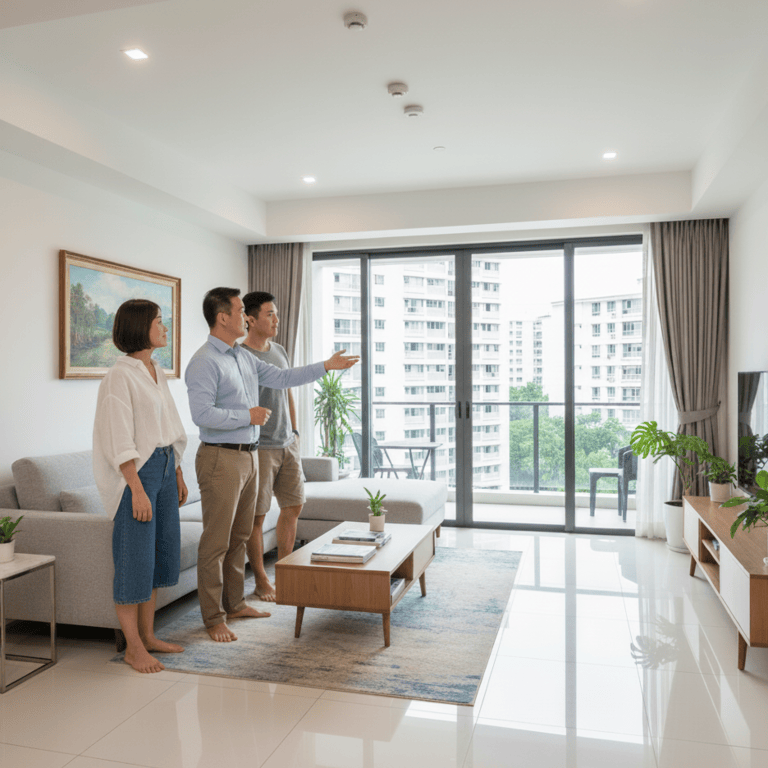
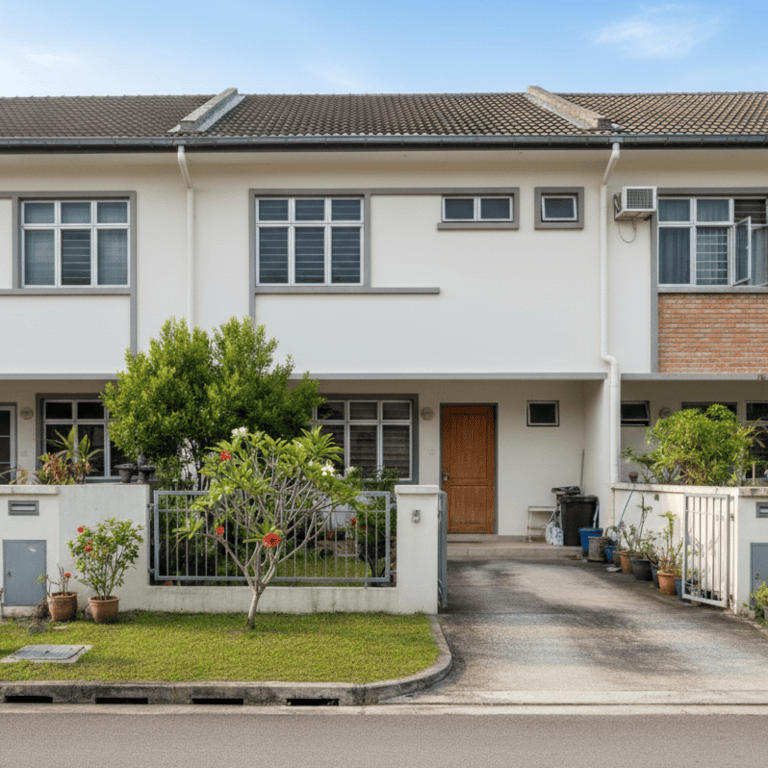
Usually, yes. Many 4-bedroom homes have at least 3 bathrooms (e.g., an en-suite master bath plus one or two other full bathrooms). That gives a big family multiple toilets/showers to use, reducing wait times. It’s good to check the exact count, but typically a 4-bedder is designed with enough bathrooms. You should have far fewer queues than in a smaller unit.
Renting a condo unit gives you on-site amenities and added security. You’ll typically have access to facilities like a swimming pool, gym, and BBQ areas. Condos also provide a gated, secure environment (often with guards or access cards), which means more privacy and peace of mind.
Singapore's diverse rental market means you'll likely live with people from different cultures. Be open-minded about different cooking styles, religious practices, and lifestyle habits. Establish ground rules early about shared spaces, food storage, and cultural celebrations. Respect dietary restrictions and prayer times. This diversity can be enriching if approached with understanding and clear communication.
With multiple rooms and potentially multiple air-con units, electricity costs can be substantial. Consider zoned cooling - only cool rooms that are in use. LED lighting throughout the unit reduces electricity consumption. If sharing with others, discuss fair splitting of utilities based on actual usage patterns rather than equal division.
Landed houses have different safety profiles with multiple entry points, windows at various levels, and potential outdoor access. Ensure proper locks on your room and understand emergency evacuation routes from upper floors. Consider personal security measures and understand neighborhood safety patterns, especially if your room has ground-level access.
Landed houses often have higher utility consumption due to larger spaces and multiple floors. Air-conditioning costs can be significant with bigger rooms and common areas. Water usage may be higher with garden watering. Discuss how utilities are split among housemates and whether there are caps or guidelines for usage to avoid bill shock.
Yes, usually the dining area in a 4-bedroom flat is sized for a big family. You can typically fit a 6- or 8-seater table comfortably. Some layouts have a separate dining room, others a large combined living/dining area. Either way, you should have space for everyone to eat together. It’s wise to measure if you own a huge dining set, but generally these units accommodate family dining well.
Yes, many couples rent master rooms. If you’re a couple, confirm with the landlord that two people are allowed in that room (most masters are fine for couples, but some landlords set limits). Consider that as a couple, you’ll likely use more utilities – discuss with your housemates or landlord how the utility split is handled for two people. Also, ensure the master room has enough space and storage for both of your belongings. Privacy-wise, a master is great since you have your own bathroom and more space, which suits a couple’s needs. Just be open about being a pair so everyone in the household is aware and okay with it.