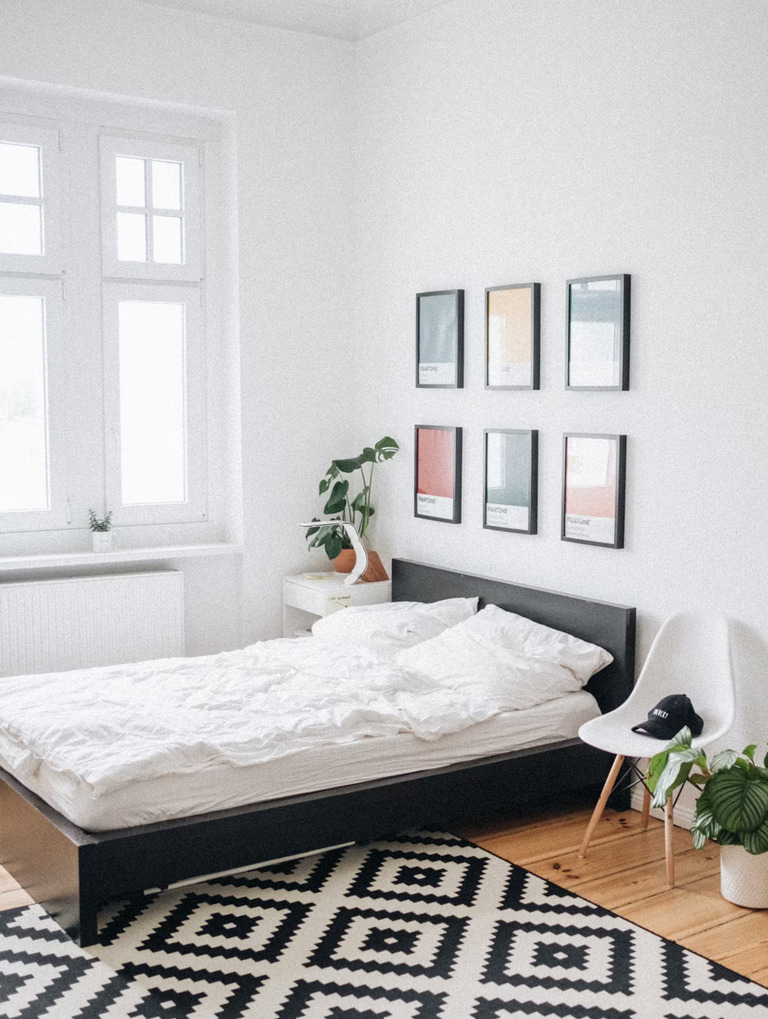
Look for units where bedrooms are well-separated, preferably not all clustered together. Check sound insulation between rooms, whether there are multiple bathroom facilities, and if common areas allow for both social interaction and private space. Consider the unit's layout for natural privacy zones.
Yes, many couples rent master rooms. If you’re a couple, confirm with the landlord that two people are allowed in that room (most masters are fine for couples, but some landlords set limits). Consider that as a couple, you’ll likely use more utilities – discuss with your housemates or landlord how the utility split is handled for two people. Also, ensure the master room has enough space and storage for both of your belongings. Privacy-wise, a master is great since you have your own bathroom and more space, which suits a couple’s needs. Just be open about being a pair so everyone in the household is aware and okay with it.
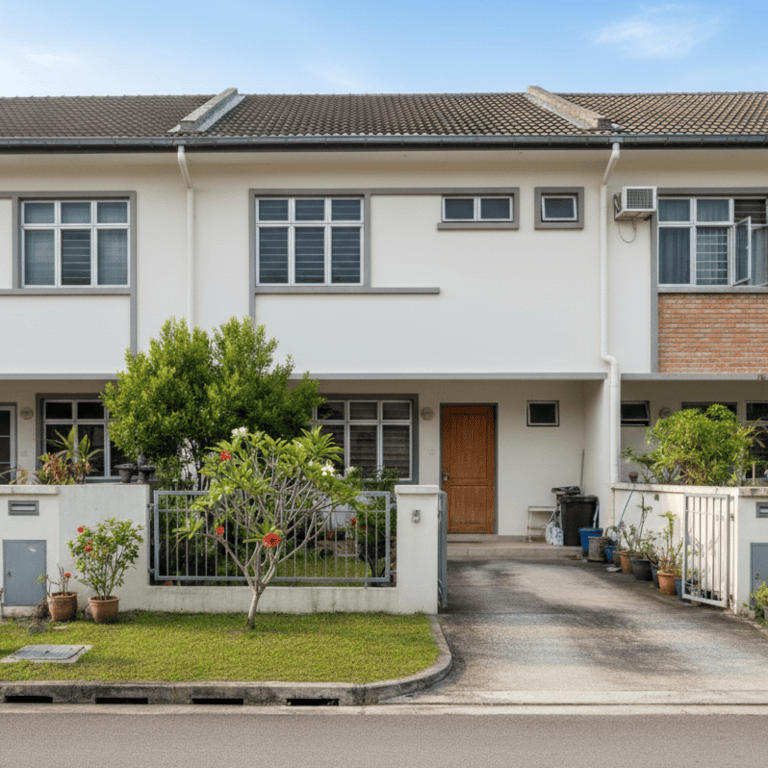
Clarify whether you can use gardens, patios, or outdoor areas, and what maintenance responsibilities you might have. Some landlords allow tenants to use outdoor spaces for relaxation or small gatherings, while others restrict access. Understand any rules about outdoor furniture, plants, or modifications.
Most condos have strict renovation guidelines that tenants must follow. You typically cannot make structural changes, install permanent fixtures, or renovate during restricted hours. Even minor changes like painting or installing shelves may require management approval and deposits. Always check with building management and get landlord consent before making any modifications.
Yes – generally one parking spot comes free with a condo unit. You’ll just need to register your car with the condo management to get a resident parking permit. Most condos allocate one free parking lot per unit, so you shouldn’t have to pay extra for parking.
Typically, there's a built-in wardrobe in the bedroom and cabinets in the kitchen. Some 1-bedroom flats include a small storeroom or utility closet. Use vertical space by adding shelves in empty spots. And choose furniture with storage, like a bed with drawers or an ottoman that opens.
Keep drains clear, cover bins, and avoid standing water in trays or pots. Check window screens and door seals. Store food in sealed containers. Trim bushes and grass regularly to reduce hiding spots for pests, and consider periodic pest control if the area is prone to bugs.
Save the signed agreement, inventory, payment receipts, and all maintenance chats. Store dated photos of existing defects and meter readings. Keeping a single folder prevents disputes and speeds up deposit discussions at the end.