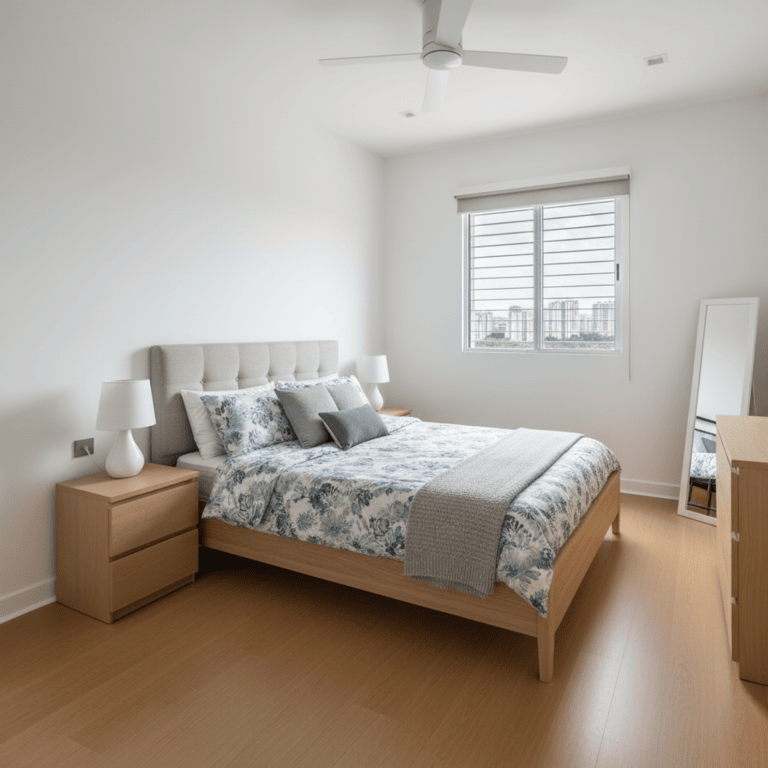
Deposits are security against damage and unpaid bills, usually returned after handover if conditions are met. Read the break clause carefully, including notice requirements, potential fees, and whether a replacement tenant is allowed. Keep everything documented and dated.
No private pools or gyms, but you’ll find community clubs, sports centres, and public pools nearby. Many tenants prefer the neighbourhood feel and everyday convenience.
Decide early on how to keep the place clean. Many housemates create a rotating chore schedule so each person takes turns cleaning common areas (like kitchen, bathroom) each week. Alternatively, some households chip in to hire a part-time cleaner for a couple of hours weekly or bi-weekly. The key is to ensure everyone is on board with the plan. Also, basic etiquette helps – everyone should clean up after themselves (wash your dishes, don’t leave personal stuff all over common spaces) so the home stays tidy day-to-day.
Consider your family's growth plans and changing needs over the lease period. Evaluate room sizes for current and future occupants, proximity to schools and family-friendly amenities, and whether the layout supports aging in place. Factor in the total cost of ownership including utilities, maintenance, and potential rent increases. Choose a location that balances space needs with commute convenience and community resources.
Short stays exist but many landlords prefer 12‑month leases. If you need flexibility, ask about minimum term, extension options, and early termination fees before you pay a deposit.
Yes, tenants can usually use condo facilities like the pool, gym, function rooms, or BBQ pits. Ensure the landlord gives you a resident access card. Some amenities require advance booking or small fees (e.g., BBQ pits or tennis courts), so check the condo’s booking procedures and rules.
Master rooms command premium rent due to size and ensuite access. Research comparable listings to understand market rates. Consider negotiating longer lease terms for rent stability, or ask about inclusive utility caps to manage higher consumption costs. Some landlords offer furnished master rooms - evaluate if the premium is worth the convenience.
Some noise might travel, yes. If the two bedrooms share a wall, you may hear talking or TV from the other room. Layouts that put bedrooms on opposite sides of the living room help. Also, newer buildings often have thicker walls.