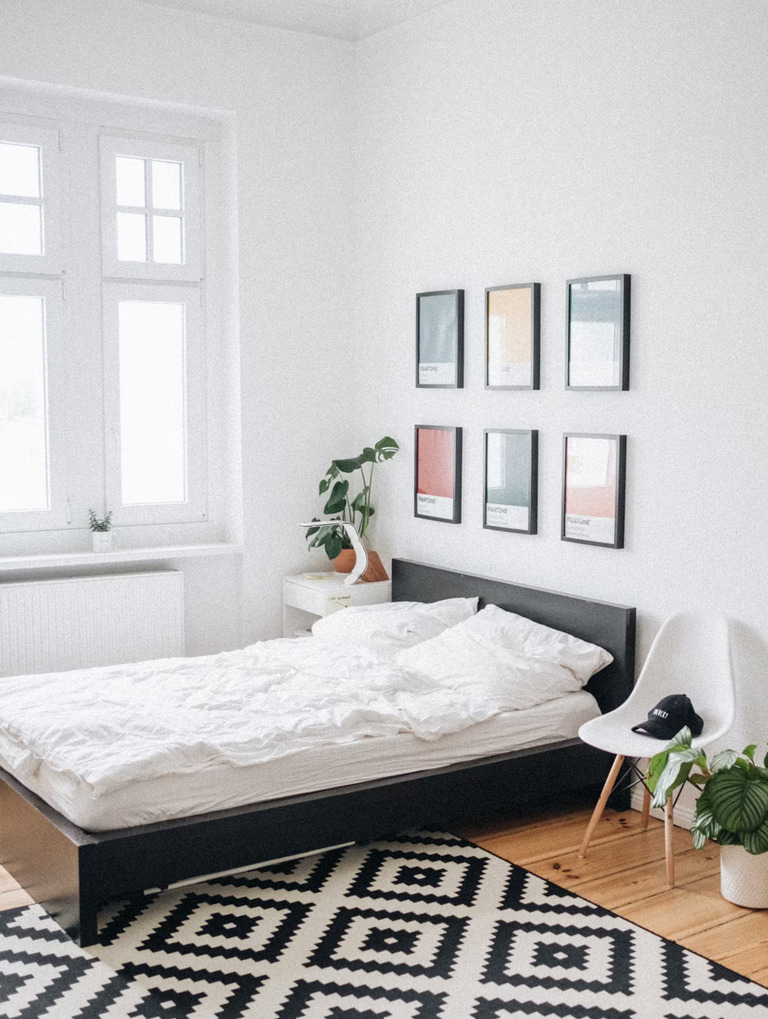
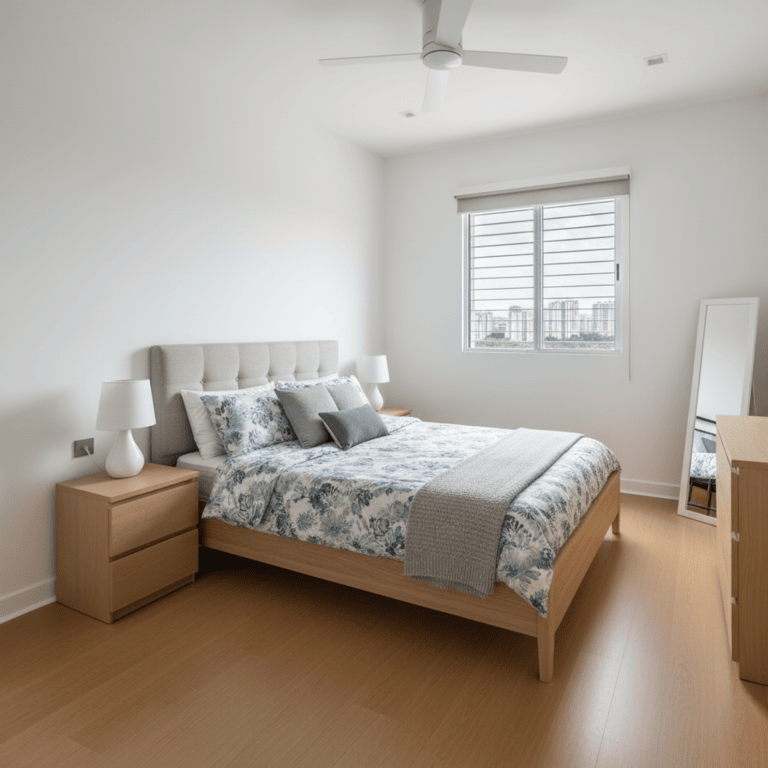
Go furnished for convenience and lower upfront setup, but inspect furniture condition and note wear expectations. Choose unfurnished for flexibility and hygiene control, factoring in delivery time, storage needs, and the effort to move items at lease end. It really depends on whether you have furniture and want to customize the space or prefer a move-in-ready setup.
Void decks host community events, celebrations, and sometimes funeral wakes that can create noise and activity. Lower floor rooms may be more affected by these activities. While these are part of HDB community life, understand the typical schedule and duration of events, and plan accordingly for noise-sensitive activities like sleep or work calls.
Request to see the landlord's NRIC and property ownership documents or tenancy agreement if they're a main tenant. Check property records through official channels if needed. Be wary of landlords who refuse to meet in person, demand cash-only payments, or pressure for immediate decisions. Legitimate landlords will provide proper documentation and allow reasonable verification time.
Yes, a larger space usually means higher utility costs. In a 4-bedroom, you may run four or more aircon units plus more lights and devices, which adds up. More people/rooms also likely means more water usage. So expect to pay higher electricity and water bills than in a smaller unit. To manage costs, use AC and lights only when needed and choose energy-efficient appliances.
Ask whether pets are allowed, any size or breed restrictions, and cleaning expectations before move out. Disclose allergies or sensitivities early. If you need small modifications, like childproof latches, get written consent and agree on reinstatement responsibilities.
Maximize vertical space with over-door organizers, under-bed storage boxes, and wall-mounted shelves that don't require drilling. Use multi-functional furniture like storage ottomans. Check if you can use common area storage like store rooms or if the landlord allows additional furniture.
While you're renting, understanding condo market trends can help predict rent stability and landlord behavior. Properties in high-demand areas with good resale prospects typically have more stable rents and better maintenance. However, rapidly appreciating properties may face higher rent increases at renewal. Consider the development's age, location, and market reputation when evaluating long-term rental viability.
Ventilation is key. Always use the range hood when cooking and open windows if you can. In a studio, smells travel fast, so clean up right after cooking. You can also light a scented candle or simmer lemon water to help clear the air.