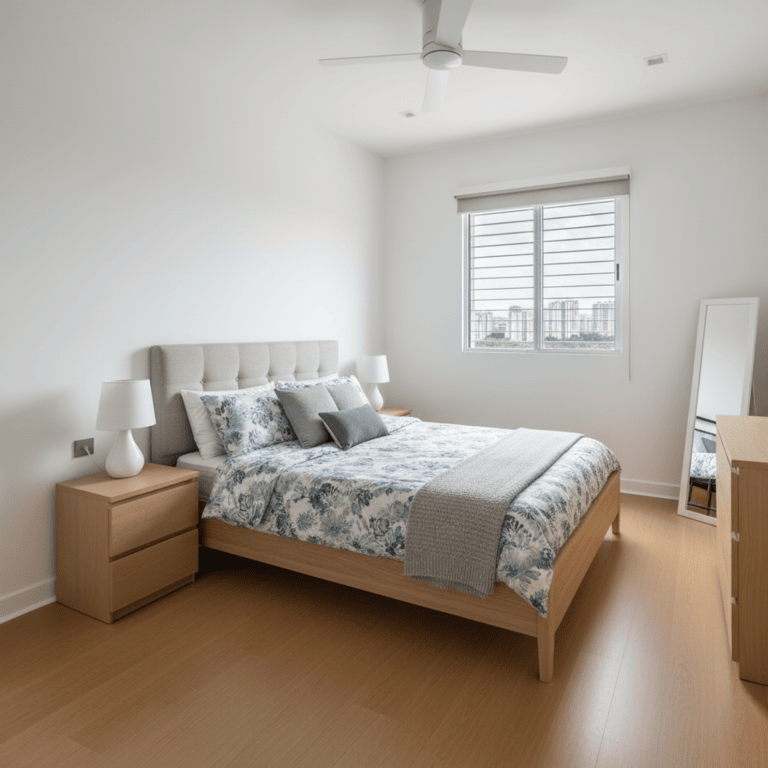
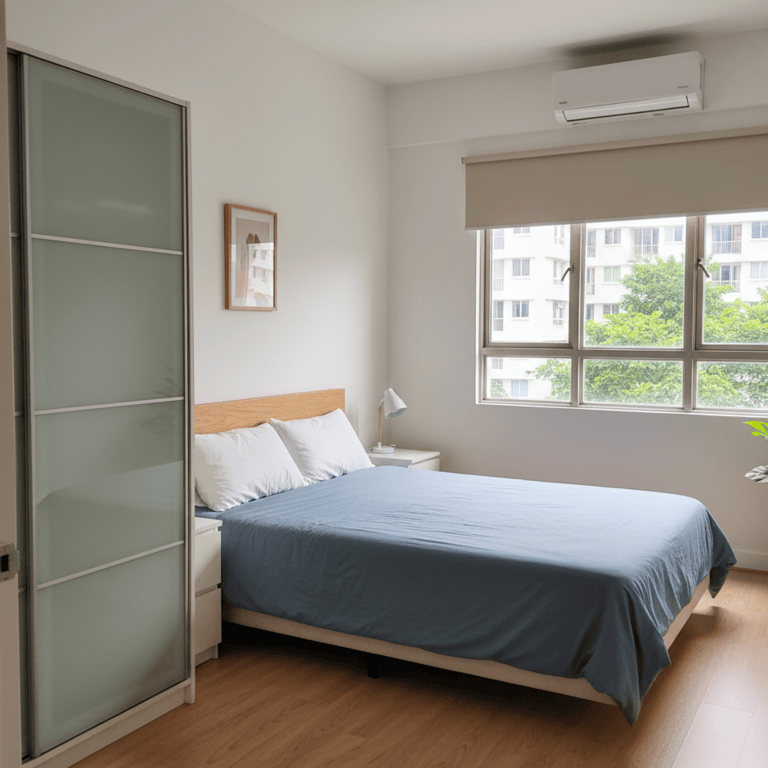
1-bedroom units offer better work-life separation than studios with a dedicated bedroom for sleep and living area for work. You can have video calls without showing your bed, and maintain professional backgrounds. However, the limited space means you'll need efficient furniture and good organization. Consider noise levels from neighbors and ensure good internet connectivity for reliable remote work.
HDB units offer excellent value for families with practical layouts and nearby amenities like schools, clinics, and childcare. The strong community environment provides social support networks. Playgrounds and void decks offer safe spaces for children. However, consider space constraints in newer flats and noise from neighbors due to closer proximity than landed houses.
Condos have security and access controls. You’ll get a resident card or fob for gates and lifts. Visitors usually need to sign in at the guardhouse, and you might have to approve them. Know your condo’s guest procedure so friends can visit smoothly.
Condo deliveries are usually held by security when you’re out. Couriers drop packages at the guardhouse or concierge instead of outside your door. You’ll be notified when something arrives so you can collect it. This keeps parcels secure, but you will need to pick them up from the guard post.
HDB regularly upgrades older estates with new lifts, facades, or facilities. While improvements are beneficial long-term, they can cause temporary noise, dust, and access disruptions. Check if any upgrading is planned during your lease period and how it might affect your daily routine and rent.
Generally, yes. Landed homes are often in quieter residential areas, so public transport might be a longer walk away. If you don’t drive, check how close the nearest bus stop or MRT is. You’re gaining a quiet environment but giving up some convenience of easy transport access.
Request written consent before drilling or painting. Confirm patching and color reinstatement at move out. Keep invoices for any professional work. Small changes can improve livability, but agreeing responsibilities now prevents friction when returning the unit later.
Master rooms typically consume more electricity due to larger space and ensuite bathroom usage. You'll likely run air-con longer, use more lighting, and the ensuite adds water heating costs. Discuss with housemates whether utility splitting accounts for room size differences or if everyone pays equally regardless of consumption.