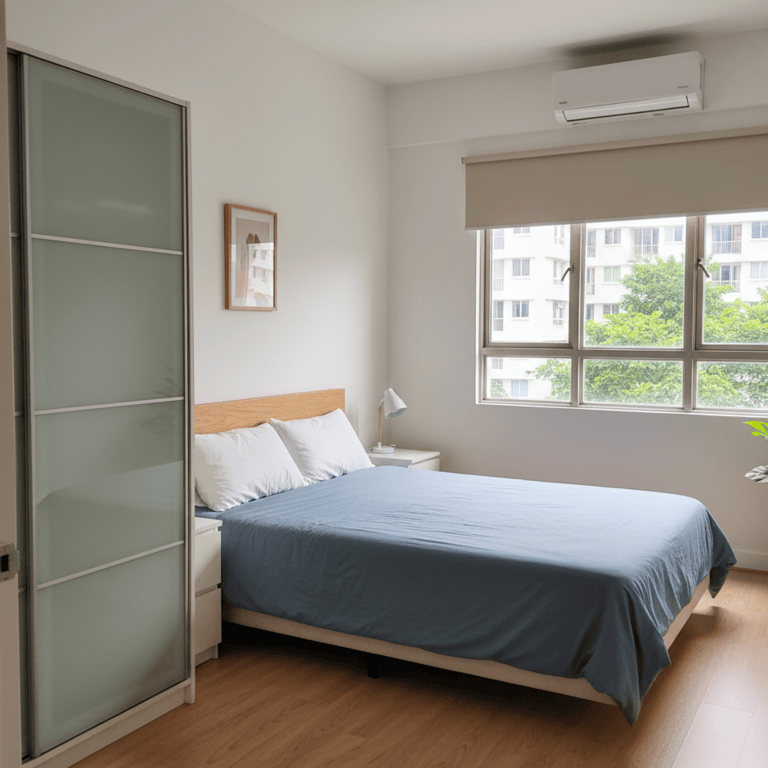
Living alone means you bear all utility costs, so efficiency matters. Use programmable thermostats for air-conditioning, switch to LED lighting, and unplug devices when not in use. Consider your usage patterns - cook in batches, do laundry efficiently, and use appliances during off-peak hours if available. Monitor your monthly bills to identify high-consumption periods and adjust habits accordingly. Some units benefit from smart home devices to optimize energy usage.
A common bedroom (smaller room without attached bath) is usually a fit for single renters who want a more budget-friendly option. You’ll trade privacy for affordability, so focus on good housemate fit, clear rules, and a layout that gives you a calm place to unwind.
Check window seals and drainage before rainy season starts. Ensure you have adequate ventilation to prevent mold in humid conditions. Stock up on dehumidifiers or moisture absorbers. Know how to operate all fans and air-con units efficiently. Test that umbrellas and rain gear are accessible, and understand evacuation procedures if your area is flood-prone.
Renting a whole unit suits those who value privacy and space. It’s ideal for families, couples, or a group of friends who want the whole place to themselves. You can use and arrange the home as you wish, but you also shoulder full responsibility for rent, bills, and maintenance.
Singapore's diverse rental market means you'll likely live with people from different cultures. Be open-minded about different cooking styles, religious practices, and lifestyle habits. Establish ground rules early about shared spaces, food storage, and cultural celebrations. Respect dietary restrictions and prayer times. This diversity can be enriching if approached with understanding and clear communication.
Request to see the landlord's NRIC and property ownership documents or tenancy agreement if they're a main tenant. Check property records through official channels if needed. Be wary of landlords who refuse to meet in person, demand cash-only payments, or pressure for immediate decisions. Legitimate landlords will provide proper documentation and allow reasonable verification time.
Yes, a larger space usually means higher utility costs. In a 4-bedroom, you may run four or more aircon units plus more lights and devices, which adds up. More people/rooms also likely means more water usage. So expect to pay higher electricity and water bills than in a smaller unit. To manage costs, use AC and lights only when needed and choose energy-efficient appliances.
Newer HDB estates offer modern fittings, better insulation, and more efficient layouts, but rooms may be smaller and rent higher. Older estates provide more spacious rooms and lower rent, but may have aging infrastructure and require more maintenance. Newer estates often have better accessibility features and integrated amenities, while older ones offer more character and established community networks.