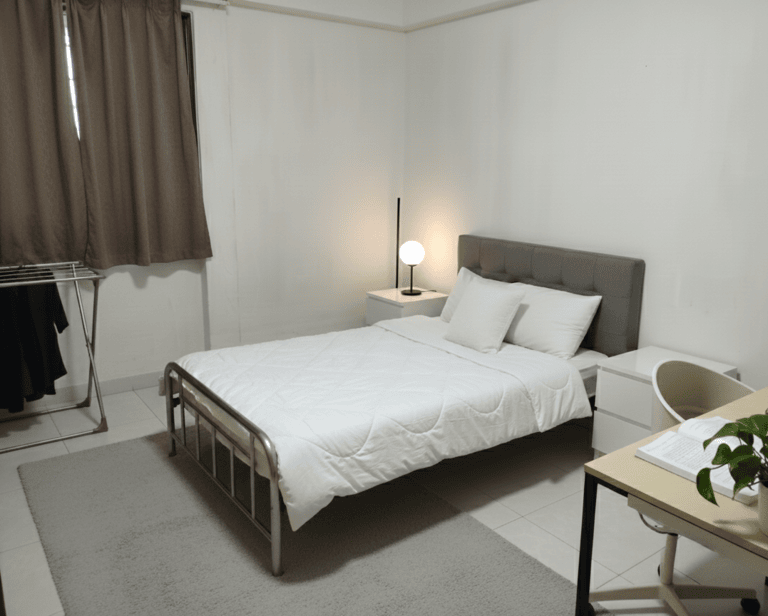
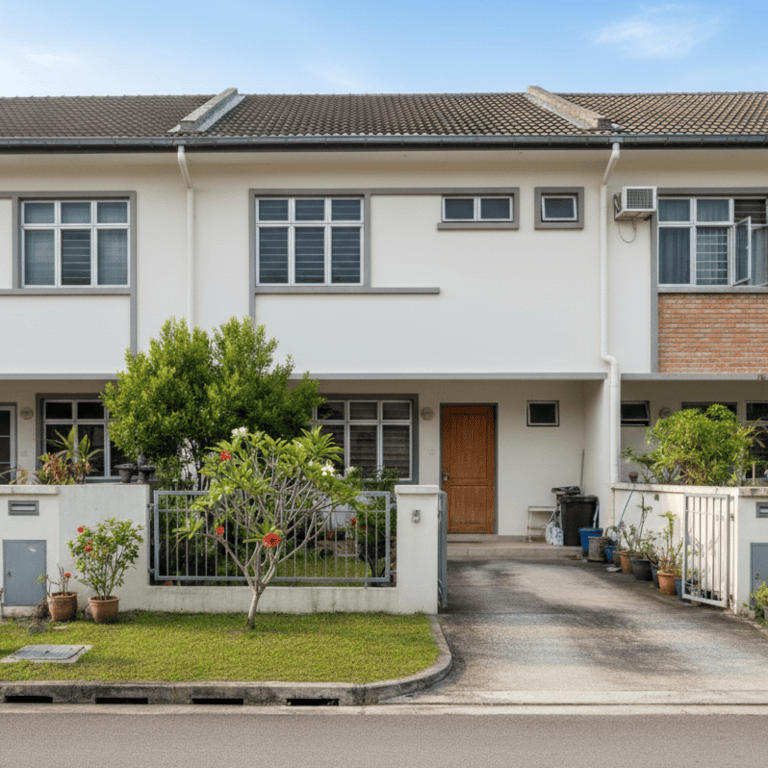
No, they aren’t equal. Usually, the master bedroom is largest, and the other bedrooms are smaller. Often the third bedroom is particularly tiny – fine for a kid or study, but tight for a big bed. So check dimensions: one room will likely be much smaller than the master.
Condo living often attracts young professionals and expatriates, creating diverse, international housemate communities. Expect higher living standards and potentially more transient housemates who may move frequently for work. The facilities create natural social opportunities - you might meet neighbors at the pool or gym. However, this can also mean more temporary relationships compared to HDB community living.
Aside from rent, you cover all ongoing costs. Budget for utilities (electricity, water, gas if any) and internet each month. If the unit has air-con, plan for regular servicing. You’re also responsible for minor maintenance like replacing light bulbs or filters. Basically, all household bills and upkeep fall to you.
Landed houses have different safety profiles with multiple entry points, windows at various levels, and potential outdoor access. Ensure proper locks on your room and understand emergency evacuation routes from upper floors. Consider personal security measures and understand neighborhood safety patterns, especially if your room has ground-level access.
Void decks host community events, celebrations, and sometimes funeral wakes that can create noise and activity. Lower floor rooms may be more affected by these activities. While these are part of HDB community life, understand the typical schedule and duration of events, and plan accordingly for noise-sensitive activities like sleep or work calls.
Use room dividers, curtains, or tall furniture to create visual separation between sleeping, working, and living areas. Strategic lighting can create intimate spaces within the open plan. Consider a murphy bed or loft bed to maximize floor space during the day. Establish routines that give you psychological separation between work and rest time.
Save the signed agreement, inventory, payment receipts, and all maintenance chats. Store dated photos of existing defects and meter readings. Keeping a single folder prevents disputes and speeds up deposit discussions at the end.
Scan for groceries, eateries, clinics, and childcare nearby. Check sheltered walkways and bus stops. If you exercise outdoors, look for simple parks and fitness corners. Everyday errands become easier when essential services are within a short, comfortable stroll.