No private pools or gyms, but you’ll find community clubs, sports centres, and public pools nearby. Many tenants prefer the neighbourhood feel and everyday convenience.
Agree which tasks are tenant responsibilities, like light bulbs and basic filters, versus landlord duties. Report issues early and follow the preferred contact channel. Keep receipts and before-after photos so reimbursements or approvals remain straightforward later.
Use thick curtains or blinds, consider a white noise machine for sound privacy, and establish quiet hours with housemates. Create personal space within your room with furniture arrangement, and communicate your need for privacy respectfully. Good locks and personal storage help maintain security.
Condo management fees (maintenance fees) are typically included in your rent, but some landlords may pass increases to tenants. These fees cover facility maintenance, security, and common area upkeep. Ask if rent includes all management fees or if there are additional charges for facility usage. Higher-end condos with more amenities generally have higher management fees reflected in rental prices.
Decide early on how to keep the place clean. Many housemates create a rotating chore schedule so each person takes turns cleaning common areas (like kitchen, bathroom) each week. Alternatively, some households chip in to hire a part-time cleaner for a couple of hours weekly or bi-weekly. The key is to ensure everyone is on board with the plan. Also, basic etiquette helps – everyone should clean up after themselves (wash your dishes, don’t leave personal stuff all over common spaces) so the home stays tidy day-to-day.
Clarify responsibility for mowing, pruning, sweeping, and bin management. Agree on weed control and handling of fallen leaves after storms. If a gardener is included, confirm frequency and scope. Outdoor upkeep keeps pests down and protects your deposit.
Landed houses often have higher utility consumption due to larger spaces and multiple floors. Air-conditioning costs can be significant with bigger rooms and common areas. Water usage may be higher with garden watering. Discuss how utilities are split among housemates and whether there are caps or guidelines for usage to avoid bill shock.
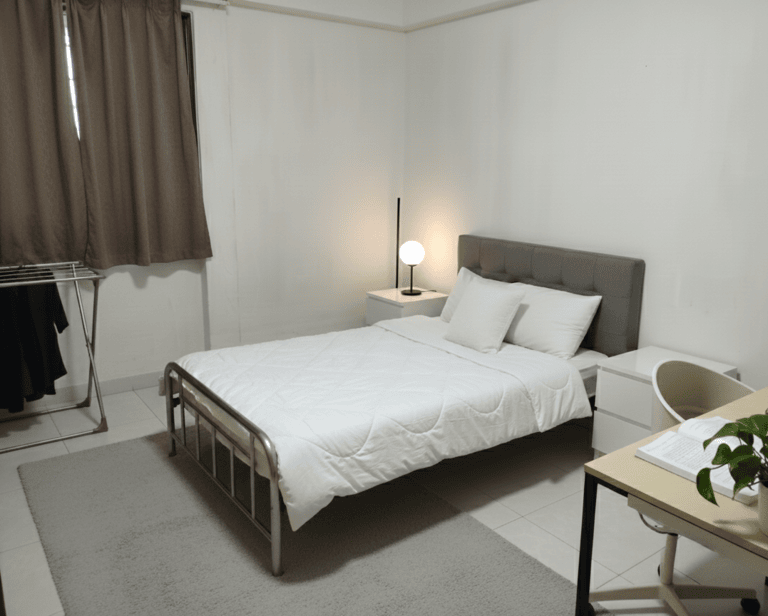
HDB flats typically offer more space and functional layouts for the price. You’ll likely appreciate everyday conveniences nearby. Focus on block condition, lift reliability, and airflow. If you value community feel and straightforward living, HDB can be a comfortable fit.