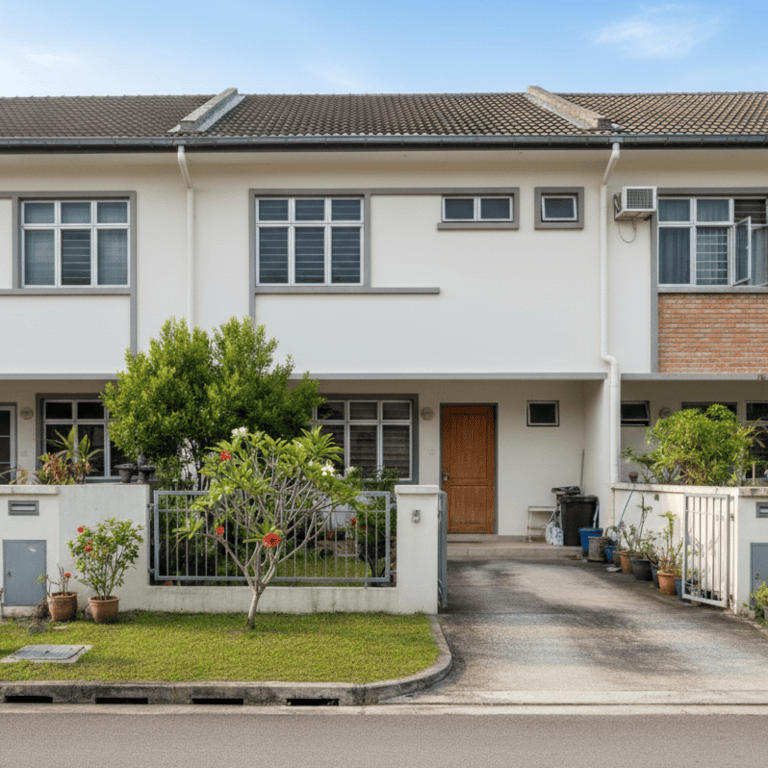
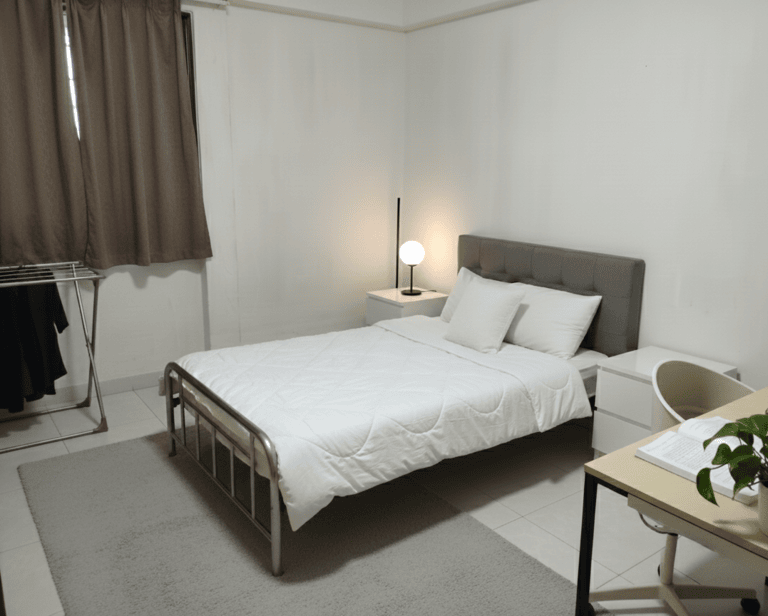
When relocating from overseas, arrange virtual viewings through video calls, request detailed photos and floor plans, and consider hiring a local representative for in-person viewings. Time viewings carefully around your arrival date, and prepare to make quick decisions in Singapore's fast-moving market. Have all required documents ready digitally, and consider temporary accommodation for your first few weeks to allow for proper in-person viewing before committing long-term.
Deposits are security against damage and unpaid bills, usually returned after handover if conditions are met. Read the break clause carefully, including notice requirements, potential fees, and whether a replacement tenant is allowed. Keep everything documented and dated.
Take advantage of amenities to justify higher rent costs. Use the gym instead of paying for external memberships, utilize the pool for exercise and relaxation, and book function rooms for gatherings. Many condos offer additional services like concierge, dry cleaning pickup, or maintenance services. Factor these conveniences into your rental value assessment.
Moving to a master room means adjusting to more space, privacy, and responsibility. You'll have your own bathroom to maintain, potentially higher utility bills, and may be expected to take more household coordination responsibilities. Consider whether you're ready for the lifestyle change, can afford the premium, and want the additional privacy. The transition often comes with both benefits and increased expectations from landlords and housemates.
Check the corridor and lift situation. If it’s a common corridor, people pass right by your door or window, affecting privacy. Corner units are quieter. Also see if the lift stops on your floor (some older blocks don’t), as you might need to take stairs if not.
Condos usually have special move-in procedures. Expect lift bookings with protective padding and refundable deposits. Paperwork may include forms and ID copies. Schedule deliveries within approved windows and keep receipts. Planning this early avoids movers waiting downstairs while approvals are sorted last minute.
Address excessive utility usage diplomatically but firmly. Document patterns with photos of meter readings or bills showing spikes. Propose individual monitoring solutions like smart plugs for high-energy appliances or separate air-con timers. Consider splitting bills proportionally based on actual usage rather than equally. If direct conversation fails, involve the landlord to mediate or implement individual metering systems.
Maximize vertical space with over-door organizers, under-bed storage boxes, and wall-mounted shelves that don't require drilling. Use multi-functional furniture like storage ottomans. Check if you can use common area storage like store rooms or if the landlord allows additional furniture.