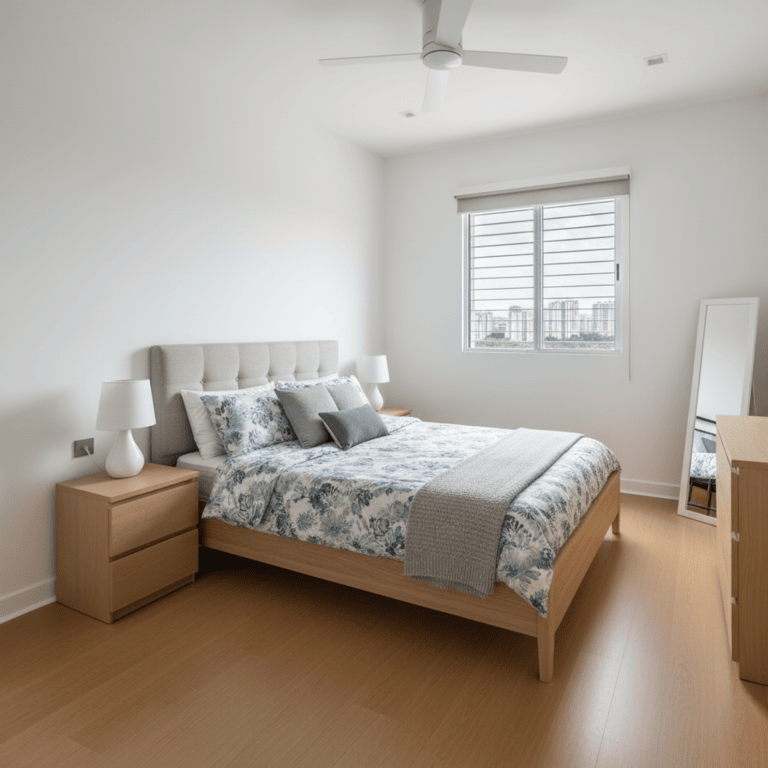
Master rooms typically consume more electricity due to larger space and ensuite bathroom usage. You'll likely run air-con longer, use more lighting, and the ensuite adds water heating costs. Discuss with housemates whether utility splitting accounts for room size differences or if everyone pays equally regardless of consumption.
HDB's ethnic integration policy may limit rental options based on the current ethnic composition of the block. This affects both tenants and landlords. Be prepared for potential limitations and understand that this is a government policy designed to maintain racial harmony, not discrimination by individual landlords.
Studios are energy-efficient to cool with one air-con unit covering the entire space. However, cooking heat and humidity affect the whole living area immediately. Good ventilation becomes crucial - ensure windows open for cross-ventilation and the kitchen has effective exhaust. Consider the orientation and whether the unit gets direct sunlight, which can make small spaces uncomfortably warm.
Most condos have strict renovation guidelines that tenants must follow. You typically cannot make structural changes, install permanent fixtures, or renovate during restricted hours. Even minor changes like painting or installing shelves may require management approval and deposits. Always check with building management and get landlord consent before making any modifications.
Modern units may include smart locks, video intercoms, app-controlled air-conditioning, or smart lighting. Understand how these systems work and whether you'll have admin access. Check if these features increase your rent or utility costs, and ensure you're comfortable using the technology.
Compare total costs including utilities, factor in privacy benefits and not having to share common areas with housemates. Consider whether the studio's location, amenities, and independence justify potentially higher costs than a room rental. Think about your lifestyle preferences and need for personal space.
Yes, but you need to plan your space carefully. Dedicate a corner for a small desk (or a foldable wall-mounted desk)6}. Use a shelf or curtain to separate your “office” from your bed. Having that defined work zone helps you focus in a studio.
Landed houses can attract more pests (like mosquitoes, ants) since they’re at ground level and have gardens. Check for window screens and ask if regular pest control is done. Also look for water stains or damp spots that could signal roof or drainage leaks.