Aim to return the home in similar condition, focusing on kitchens, bathrooms, and flooring. Degrease hoods, wipe seals, and clear drains. Replace spent bulbs and wash removable filters. Provide dated photos after cleaning to support a smooth deposit outcome.
Decide what’s communal and what’s personal, then stick to it. If you borrow, return items clean and promptly. Replace consumables you finish. A quick message before taking anything avoids misunderstandings and keeps goodwill in the household.
Condo deliveries usually go through security. If you're not home, couriers often leave parcels at the guardhouse or management office for you to collect later. Some condos will call you or have lockers for packages. Find out your condo's parcel procedure so you don't miss any packages.
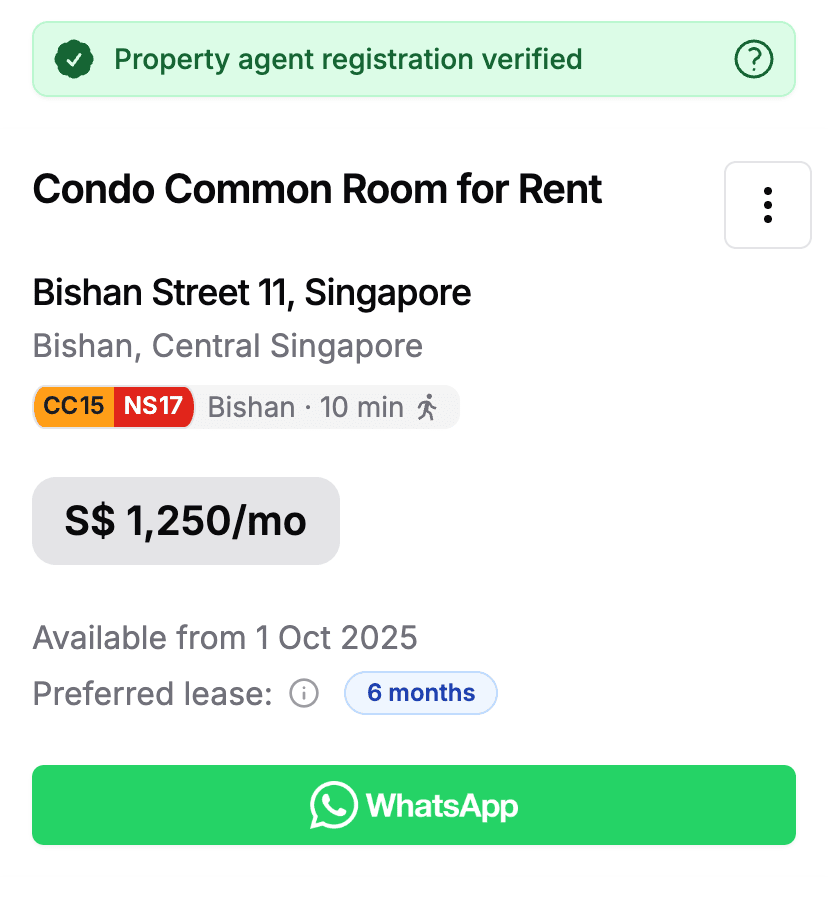
A common bedroom (smaller room without attached bath) is usually a fit for single renters who want a more budget-friendly option. You’ll trade privacy for affordability, so focus on good housemate fit, clear rules, and a layout that gives you a calm place to unwind.
Place your desk in the living area and keep the bedroom for sleep. Close the bedroom door for mental separation. Good habits around screen time help the space feel restful after hours.
Modern units may include smart locks, video intercoms, app-controlled air-conditioning, or smart lighting. Understand how these systems work and whether you'll have admin access. Check if these features increase your rent or utility costs, and ensure you're comfortable using the technology.
Take advantage of amenities to justify higher rent costs. Use the gym instead of paying for external memberships, utilize the pool for exercise and relaxation, and book function rooms for gatherings. Many condos offer additional services like concierge, dry cleaning pickup, or maintenance services. Factor these conveniences into your rental value assessment.
HDB rooms often have simpler finishes and fewer shared facilities but practical layouts and solid walls. You’ll trade pools or gyms for straightforward convenience. Prioritize block condition, elevator access, and nearby amenities over lifestyle facilities you won’t use.