Yes, if you coordinate meeting times, choose a call zone, and use headphones. Ask about desk space in communal areas and quiet hours for focus. A shared calendar prevents overlapping calls echoing through thin doors or hallways.
Air-con significantly impacts electricity bills in Singapore's climate. Discuss usage patterns with housemates - some prefer it only at night, others need it during work-from-home hours. Agree on temperature settings (24-26°C is efficient) and whether common areas should be cooled. Consider individual room usage tracking or splitting bills proportionally based on usage patterns.
Landed properties may require different maintenance approaches for multiple levels, outdoor areas, and potentially more complex systems. Understand your responsibilities versus the landlord's, know how to access different areas safely, and establish procedures for reporting issues. Consider whether you're comfortable with the maintenance demands of a larger property.
Use the second bedroom as a study (or an office/guest room combo). If both bedrooms are in use, find a nook in the living or dining area for a desk. For instance, a small desk by a window can serve as a cozy work spot. Pick a corner that doesn't disrupt daily living.
Ask about air-con use and costs. Many HDB owners let you run it at night but expect you to share the electricity bill or servicing costs. Check that the air-con unit is working well. If it's older, it might be noisier or less efficient.
No private pools or gyms, but you’ll find community clubs, sports centres, and public pools nearby. Many tenants prefer the neighbourhood feel and everyday convenience.
Many are, but not all. Confirm air‑con in your room, servicing schedule, usage rules, and who pays for maintenance. Older compressors may be less efficient and noisier.
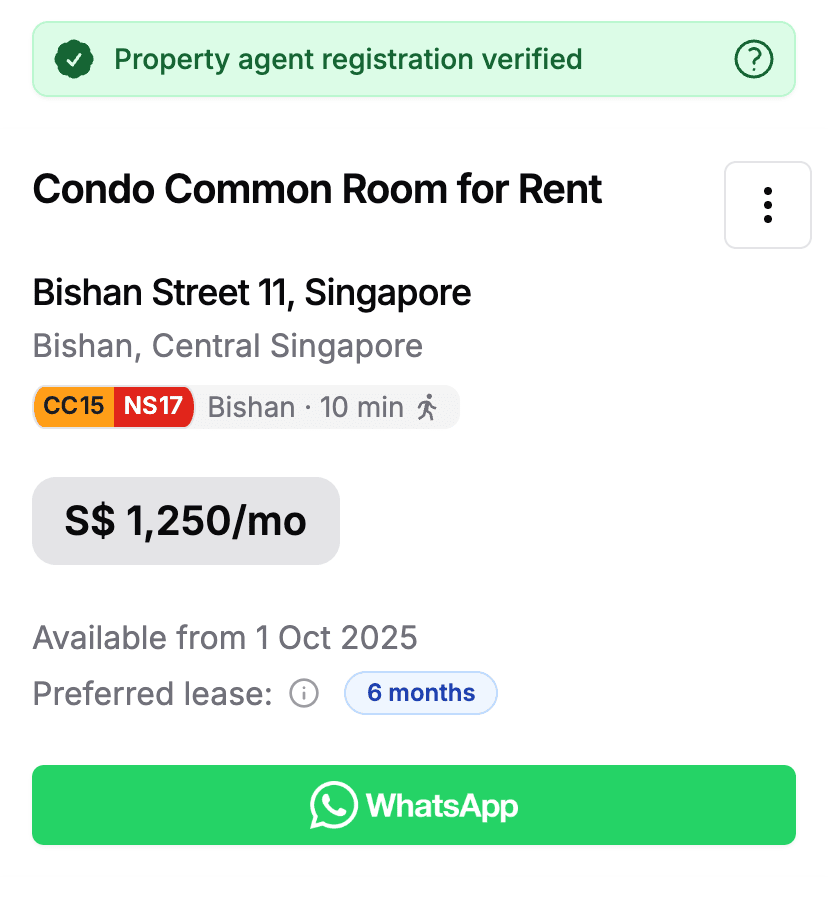
A common bedroom (smaller room without attached bath) is usually a fit for single renters who want a more budget-friendly option. You’ll trade privacy for affordability, so focus on good housemate fit, clear rules, and a layout that gives you a calm place to unwind.