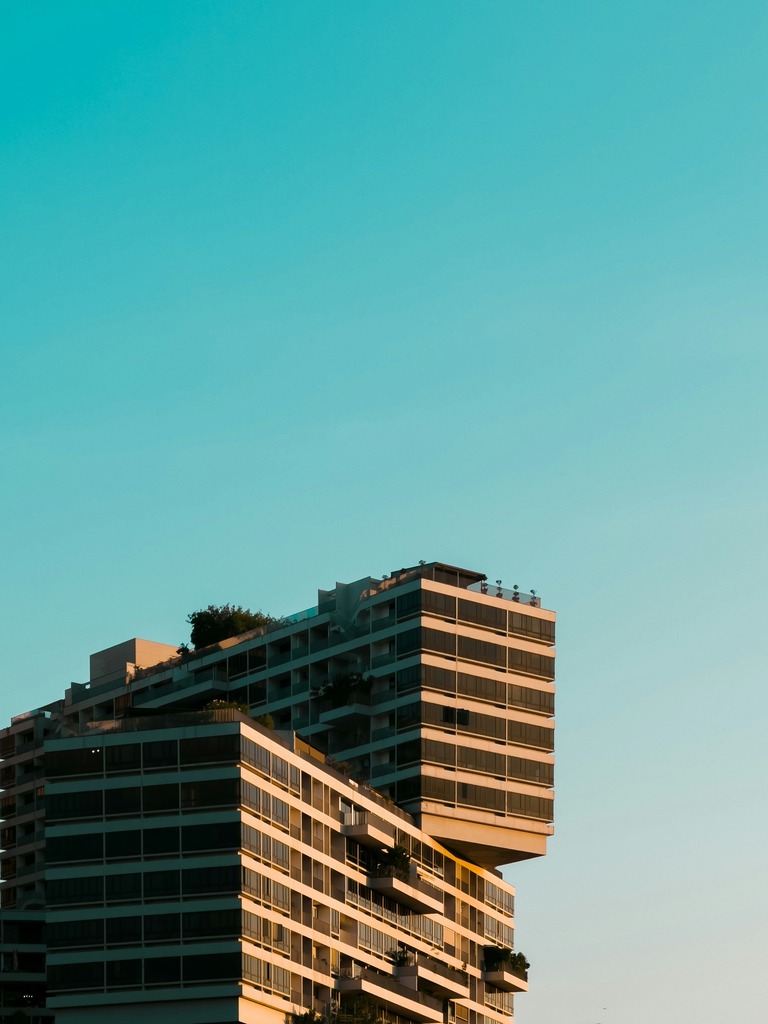
Expect practical living with access to eateries, clinics, and everyday services nearby. Community spaces encourage casual interaction. Focus on block cleanliness, lift reliability, and nearby shops. Daily errands are usually straightforward without needing long travel or planning.
Older HDB flats have a rubbish chute inside – make sure its lid seals well to keep out odours and pests. Newer flats use a shared chute on each floor. If your flat is near that chute, you might catch an occasional smell, but it’s usually minor if kept clean.
Rental demand typically peaks during university intake periods (July-August and January) and expat relocation seasons (June-August and December-January). Prices may be higher during these periods. Consider timing your search during off-peak months for better deals and more negotiating power. Chinese New Year period often sees reduced activity.
Yes, definitely. With four bedrooms, you probably have a spare room that can become an office or hobby space. It’s common to turn the extra room into a study, art studio, home gym, etc. You don’t have to use all bedrooms for sleeping. Furnish that room for its purpose (desk, shelves, workout gear, etc.). If needs change, you can turn it back into a bedroom, but it’s great to have that flexibility.
3-bedroom units offer excellent flexibility for families. Start with a master bedroom, nursery, and guest room/study. As children grow, convert the study to a second child's room. The extra space allows for toy storage, play areas, and separate study zones. Consider child-proofing requirements and proximity to good schools when choosing location.
Create zones with rugs, shelving, and lighting changes. Use furniture placement to carve out separate areas. For example, a shelf or screen can divide your bed from the rest of the space. Try to group your bed, sofa, and desk separately, so sleeping, relaxing, and working each have their own corner in the room.
Aim to return the home in similar condition, focusing on kitchens, bathrooms, and flooring. Degrease hoods, wipe seals, and clear drains. Replace spent bulbs and wash removable filters. Provide dated photos after cleaning to support a smooth deposit outcome.
HDB estates often have nearby markets, food courts, clinics, schools, and community centers. Many have playgrounds, fitness corners, and resident committee activities. Check proximity to essential services, public transport, and whether the estate has active community programs that might interest you.