Not typically. You’ll rely on public gyms, community clubs, and neighbourhood pools. Many tenants prefer HDBs for value and convenience to everyday shops and transport.
Living alone means you bear all utility costs, so efficiency matters. Use programmable thermostats for air-conditioning, switch to LED lighting, and unplug devices when not in use. Consider your usage patterns - cook in batches, do laundry efficiently, and use appliances during off-peak hours if available. Monitor your monthly bills to identify high-consumption periods and adjust habits accordingly. Some units benefit from smart home devices to optimize energy usage.
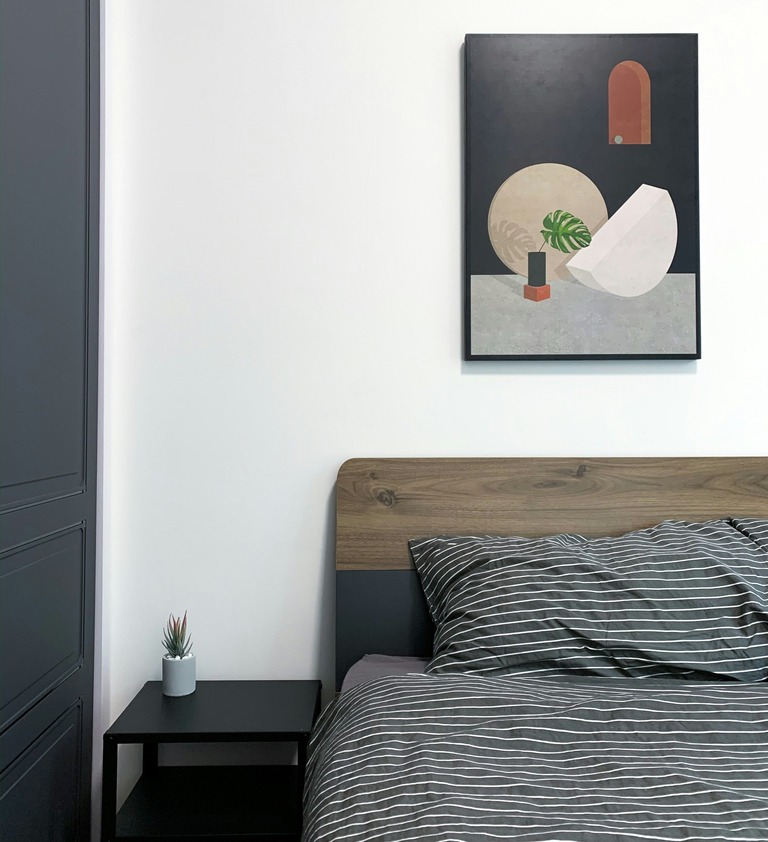
A lot of 1-bedroom units have small bedrooms. A queen-size bed usually fits, but a king-size might be a tight squeeze. With a king, you might have little room left for bedside tables or a dresser. Always check the room dimensions beforehand to ensure you can still move around comfortably.
Establish clear common area rules and assign personal storage spaces in each bedroom. Use the third bedroom strategically - as a study, guest room, or helper's quarters. Create a household schedule for shared spaces like bathrooms and kitchen. Consider installing additional hooks and organizers in common areas to prevent clutter.
Most condos have strict renovation guidelines that tenants must follow. You typically cannot make structural changes, install permanent fixtures, or renovate during restricted hours. Even minor changes like painting or installing shelves may require management approval and deposits. Always check with building management and get landlord consent before making any modifications.
Check the corridor and lift situation. If it’s a common corridor, people pass right by your door or window, affecting privacy. Corner units are quieter. Also see if the lift stops on your floor (some older blocks don’t), as you might need to take stairs if not.
Multi-story landed houses can have complex privacy dynamics with bedrooms on different levels. Consider noise transmission between floors, whether your room has direct access or requires passing through common areas, and how bathroom sharing works across floors. Upper floor rooms may offer more privacy but require consideration of stairs and emergency access.
Families need significant storage for clothing, toys, school supplies, and household items. Look for built-in wardrobes in each bedroom, linen closets, kitchen storage, and utility areas. Check if there's a storeroom, under-stair storage, or if you can add storage furniture without overcrowding the space.