Discuss overnight stays, notice needed, and how often guests visit. Align on using shared spaces when visitors are around, noise after hours, and shared bathroom etiquette. Written guidelines avoid misunderstandings and help everyone host without tension.
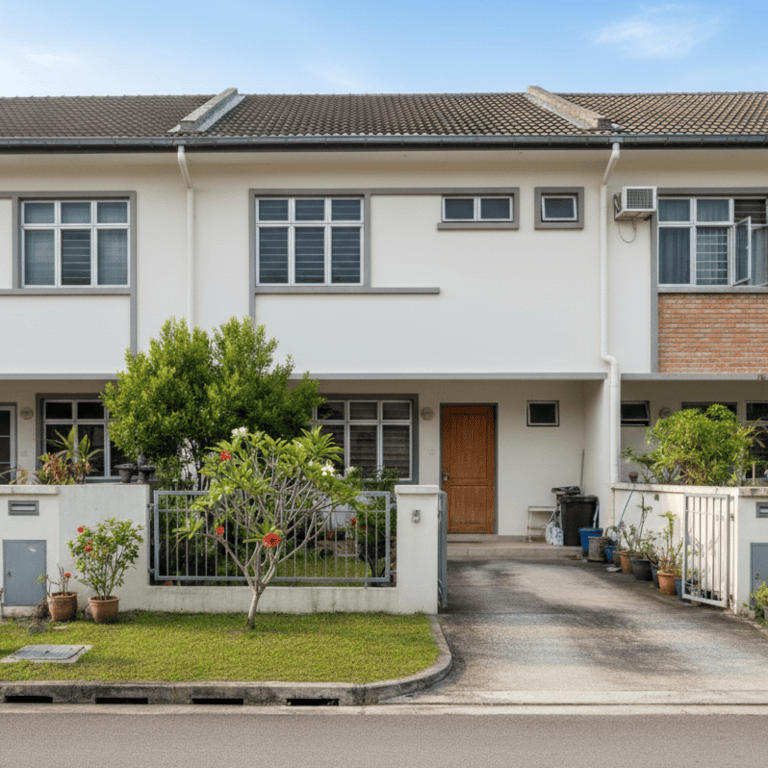
Yards need care. Ask if the landlord handles gardening or if tenants must do it. You might be expected to do basics like watering plants or mowing the lawn. If you share the house, agree on a plan so the outdoor space is maintained without overburdening anyone.
Yes, many couples rent master rooms. If you’re a couple, confirm with the landlord that two people are allowed in that room (most masters are fine for couples, but some landlords set limits). Consider that as a couple, you’ll likely use more utilities – discuss with your housemates or landlord how the utility split is handled for two people. Also, ensure the master room has enough space and storage for both of your belongings. Privacy-wise, a master is great since you have your own bathroom and more space, which suits a couple’s needs. Just be open about being a pair so everyone in the household is aware and okay with it.
Ask about air-con use and costs. Many HDB owners let you run it at night but expect you to share the electricity bill or servicing costs. Check that the air-con unit is working well. If it's older, it might be noisier or less efficient.
Look for units where bedrooms are well-separated, preferably not all clustered together. Check sound insulation between rooms, whether there are multiple bathroom facilities, and if common areas allow for both social interaction and private space. Consider the unit's layout for natural privacy zones.
HDB living means thinner walls, so noise travels easily between units and rooms. Be considerate with music, phone calls, and movement during quiet hours. Cooking smells can also spread quickly - use exhaust fans and keep doors closed when cooking strong-smelling food. The close-knit community feel means neighbors often know each other, which can be comforting but also means less anonymity.
Landed houses may require additional insurance considerations due to ground-level access, gardens, and potential flooding risks. Check if your landlord's insurance covers tenant belongings and liability for accidents on the property. Consider additional coverage for valuable items and personal liability, especially if you have guests using outdoor areas or pools.
Address issues early through calm, direct conversation before they escalate. Use 'I' statements to express how situations affect you rather than making accusations. Suggest practical solutions and be willing to compromise. If direct communication fails, involve the landlord or main tenant as a mediator. Document serious issues and consider whether the living situation is sustainable long-term.