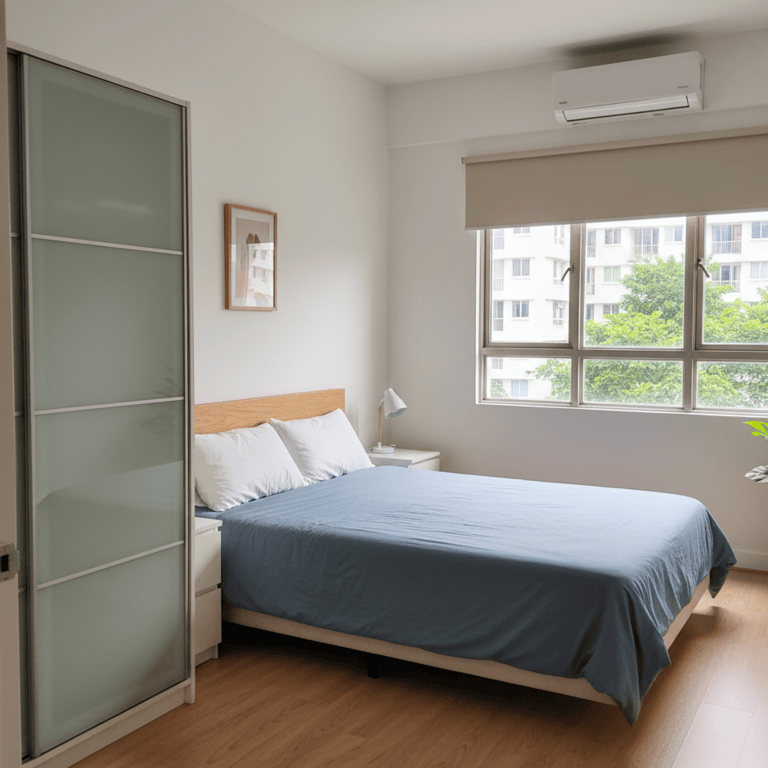
Master rooms typically consume more electricity due to larger space and ensuite bathroom usage. You'll likely run air-con longer, use more lighting, and the ensuite adds water heating costs. Discuss with housemates whether utility splitting accounts for room size differences or if everyone pays equally regardless of consumption.
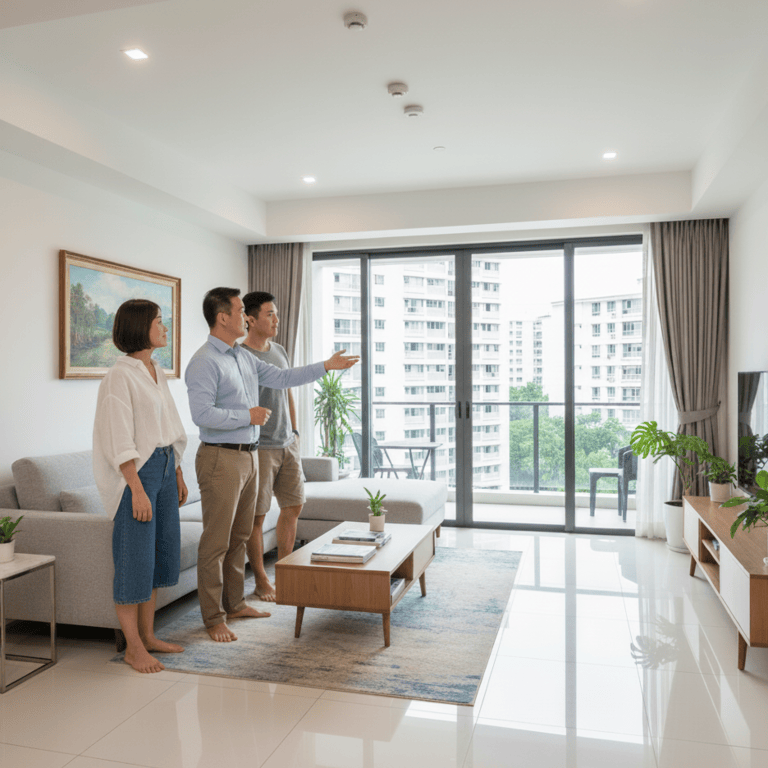
HDB units offer excellent value for families with practical layouts and nearby amenities like schools, clinics, and childcare. The strong community environment provides social support networks. Playgrounds and void decks offer safe spaces for children. However, consider space constraints in newer flats and noise from neighbors due to closer proximity than landed houses.
Equal split is common, but consider room size differences and individual usage patterns. Master bedroom tenants might pay slightly more due to ensuite usage and larger space. Track air-con usage if one person uses it significantly more. Some roommates prefer separate electricity meters or smart plugs to monitor individual consumption for fairer billing.
Check for window safety features, electrical outlet covers, sharp corners on built-in furniture, and secure balcony railings. Look for adequate lighting, non-slip flooring in bathrooms, and whether the layout allows parents to supervise children easily. Consider proximity to playgrounds and family amenities.
Be wary of listings with prices significantly below market rate, requests for payment before viewing, or landlords who can't meet in person. Verify ownership through property records if possible. Never transfer large sums without seeing the property and meeting the actual landlord or authorized agent. Use secure payment methods and get proper receipts for all transactions.
Consider your work-from-home needs versus how often you have guests. A dedicated office provides better work-life separation and productivity, while a guest room offers hosting flexibility. Some people use convertible furniture to serve both purposes, though this requires more setup and organization.
Run taps and flush toilets to check water pressure (and watch for leaks). Turn on lights, fans, and air-con to ensure they work. Test any provided appliances as well. Check walls and ceilings for water stains or mold. Note any problems and have the landlord address them before move-in. Photograph any defects and attach them to the inventory to avoid end-lease disputes.
Common rooms may cost up to 40% less than master rooms in the same property. The savings come from smaller size and shared bathroom access. However, factor in potential inconvenience costs like needing backup toiletries or adjusting your schedule around bathroom availability. For budget-conscious renters, the savings often justify the trade-offs.