Yes – condos strictly limit renovation noise to certain hours. Loud work (like drilling) is only allowed on weekday daytimes (no noisy construction at night or on Sundays). Any repairs or renovation you plan must also be scheduled within the allowed daytime hours.
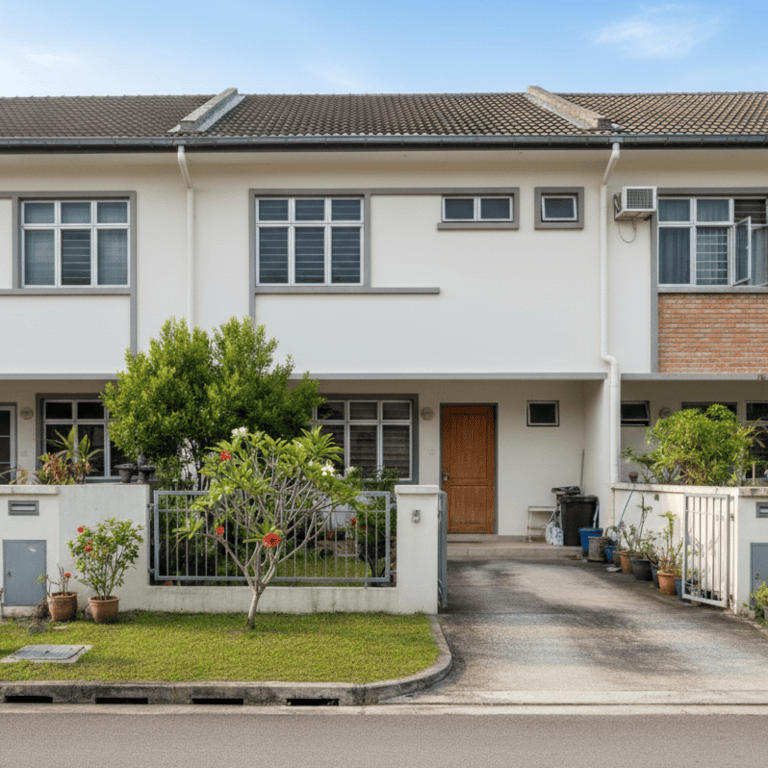
Multi-story landed houses can have complex privacy dynamics with bedrooms on different levels. Consider noise transmission between floors, whether your room has direct access or requires passing through common areas, and how bathroom sharing works across floors. Upper floor rooms may offer more privacy but require consideration of stairs and emergency access.
Equal split is common, but consider room size differences and individual usage patterns. Master bedroom tenants might pay slightly more due to ensuite usage and larger space. Track air-con usage if one person uses it significantly more. Some roommates prefer separate electricity meters or smart plugs to monitor individual consumption for fairer billing.
Even with more space, it’s wise to plan storage to avoid clutter. Use the built-in wardrobes in the bedrooms. If one bedroom is spare, add extra shelves or cabinets there. Use any storeroom or utility room for bulky items. Assign each type of item a spot so storage is spread out. And declutter regularly even with more room.
You need to plan beyond just monthly rent. Budget for your security deposit, utility bills (electricity, water, gas), internet, and any regular maintenance or air-con servicing costs. Also factor in moving expenses and possible agent fees.
Run taps and flush toilets to check water pressure (and watch for leaks). Turn on lights, fans, and air-con to ensure they work. Test any provided appliances as well. Check walls and ceilings for water stains or mold. Note any problems and have the landlord address them before move-in. Photograph any defects and attach them to the inventory to avoid end-lease disputes.
Check whether it’s in the kitchen or bathroom and listen for spin noise near the bed. Ensure there’s a drying area with airflow. If stacking is possible, measure carefully. Quiet operation matters when your sleeping and laundry zones overlap.
Short stays exist but many landlords prefer 12‑month leases. If you need flexibility, ask about minimum term, extension options, and early termination fees before you pay a deposit.