3-bedroom units offer excellent flexibility for families. Start with a master bedroom, nursery, and guest room/study. As children grow, convert the study to a second child's room. The extra space allows for toy storage, play areas, and separate study zones. Consider child-proofing requirements and proximity to good schools when choosing location.
Sharing with 3+ roommates requires clear agreements about shared spaces, cleaning schedules, utility splits, and house rules. Consider personality compatibility, lifestyle habits, and how to handle conflicts. Establish guidelines for common areas, guest policies, and what happens if someone moves out mid-lease.
Open kitchens feel social and spacious but spread cooking smells. Closed kitchens contain noise and grease better. Think about your cooking style, ventilation, and how often you host. The right choice depends on whether you prioritize openness or cleanup ease.
Families need significant storage for clothing, toys, school supplies, and household items. Look for built-in wardrobes in each bedroom, linen closets, kitchen storage, and utility areas. Check if there's a storeroom, under-stair storage, or if you can add storage furniture without overcrowding the space.
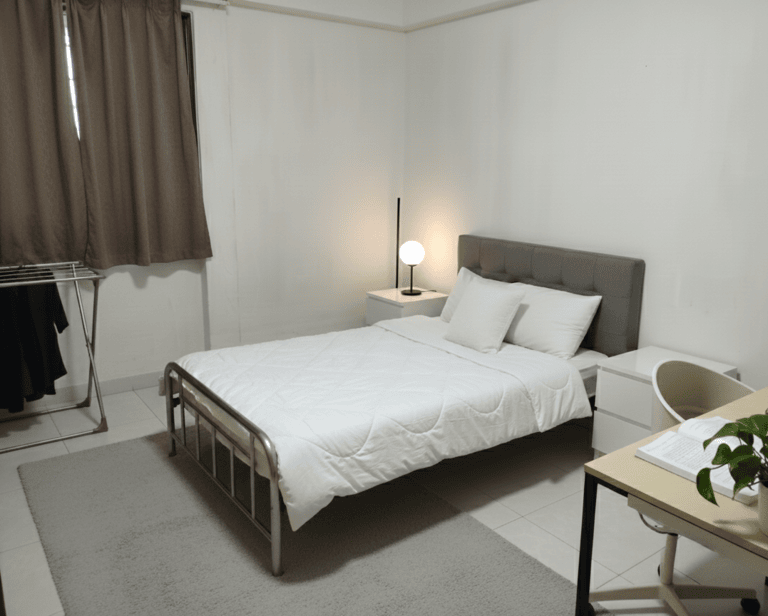
Use thick curtains or blinds, consider a white noise machine for sound privacy, and establish quiet hours with housemates. Create personal space within your room with furniture arrangement, and communicate your need for privacy respectfully. Good locks and personal storage help maintain security.
You’ll likely enjoy space, privacy, and potential outdoor areas. You won’t share walls or floors with neighbors, so noise is less of an issue. It suits families, pet owners, or hobbies needing storage. In return, expect more maintenance involvement. Clarify responsibilities for gardens, drains, and exterior checks before signing the agreement.
Address cleanliness issues diplomatically by establishing clear cleaning schedules and standards upfront. Document problems with photos if needed, and discuss solutions rather than blame. Consider implementing a cleaning roster, shared cleaning supplies fund, or hiring occasional deep cleaning. If issues persist, involve the landlord or main tenant as mediator. Sometimes different cultural or personal standards require compromise and clear communication.
Master rooms command premium rent due to size and ensuite access. Research comparable listings to understand market rates. Consider negotiating longer lease terms for rent stability, or ask about inclusive utility caps to manage higher consumption costs. Some landlords offer furnished master rooms - evaluate if the premium is worth the convenience.