Landed properties may require different maintenance approaches for multiple levels, outdoor areas, and potentially more complex systems. Understand your responsibilities versus the landlord's, know how to access different areas safely, and establish procedures for reporting issues. Consider whether you're comfortable with the maintenance demands of a larger property.
Condos have by-laws residents must follow. Common rules cover noise (quiet hours), visitor sign-ins, proper garbage disposal, and use of shared facilities. Ask your landlord about any specific condo rules. Abiding by them will keep you out of trouble with management and neighbors.
Yes – condos strictly limit renovation noise to certain hours. Loud work (like drilling) is only allowed on weekday daytimes (no noisy construction at night or on Sundays). Any repairs or renovation you plan must also be scheduled within the allowed daytime hours.
Yes. Many landed homes have two or three storeys, so you'll be using stairs daily. If you have young children or elderly family, consider safety (installing baby gates, sturdy handrails). Different floors give privacy with bedrooms separate from living areas, but you'll also be climbing up and down a lot.
Condos often run entirely on electricity (no city gas), so heavy air-con or hot water use can push up the power bill. Expect to split utilities—electricity, water, internet—with housemates. Clarify your share and which bills are included in your rent to avoid surprises.
Yes, but you need to plan your space carefully. Dedicate a corner for a small desk (or a foldable wall-mounted desk)6}. Use a shelf or curtain to separate your “office” from your bed. Having that defined work zone helps you focus in a studio.
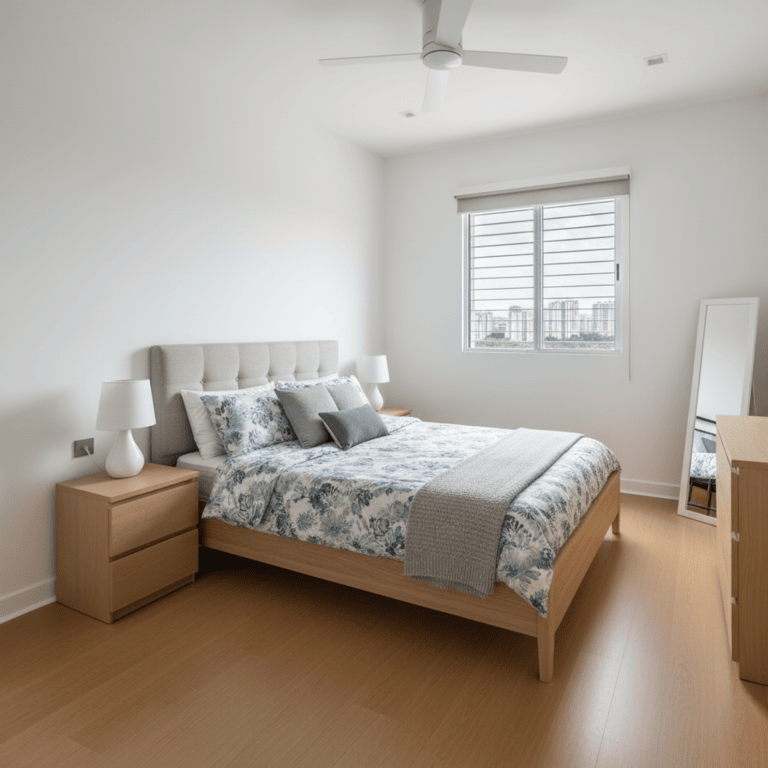
A lot of 1-bedroom units have small bedrooms. A queen-size bed usually fits, but a king-size might be a tight squeeze. With a king, you might have little room left for bedside tables or a dresser. Always check the room dimensions beforehand to ensure you can still move around comfortably.
Create zones with rugs, shelving, and lighting changes. Use furniture placement to carve out separate areas. For example, a shelf or screen can divide your bed from the rest of the space. Try to group your bed, sofa, and desk separately, so sleeping, relaxing, and working each have their own corner in the room.