Decide what’s communal and what’s personal, then stick to it. If you borrow, return items clean and promptly. Replace consumables you finish. A quick message before taking anything avoids misunderstandings and keeps goodwill in the household.
Verify the main tenant has landlord approval to sublet by asking to see the original lease agreement. For HDB rooms, check that the flat meets minimum occupancy requirements and ethnic quota rules. Ensure the person renting to you is actually authorized - meet them in person and verify their identity. Get everything in writing including house rules, deposit terms, and notice periods. Be wary of cash-only transactions or reluctance to provide documentation.
Learn the visitor registration system, understand security procedures for guests, and know the protocols for deliveries and service personnel. Some condos have strict visitor policies, time restrictions, or require advance registration. Ensure your guests understand and follow building security requirements.
Short-term rentals (6 months or less) offer flexibility for uncertain situations but typically cost 10-20% more per month and provide less stability. Long-term leases (1-2 years) usually offer better rates, priority during renewals, and stable housing, but limit your ability to relocate quickly. Consider your career stability, relationship status, and life plans. Many landlords prefer long-term tenants and may offer incentives like rent freezes or minor upgrades.
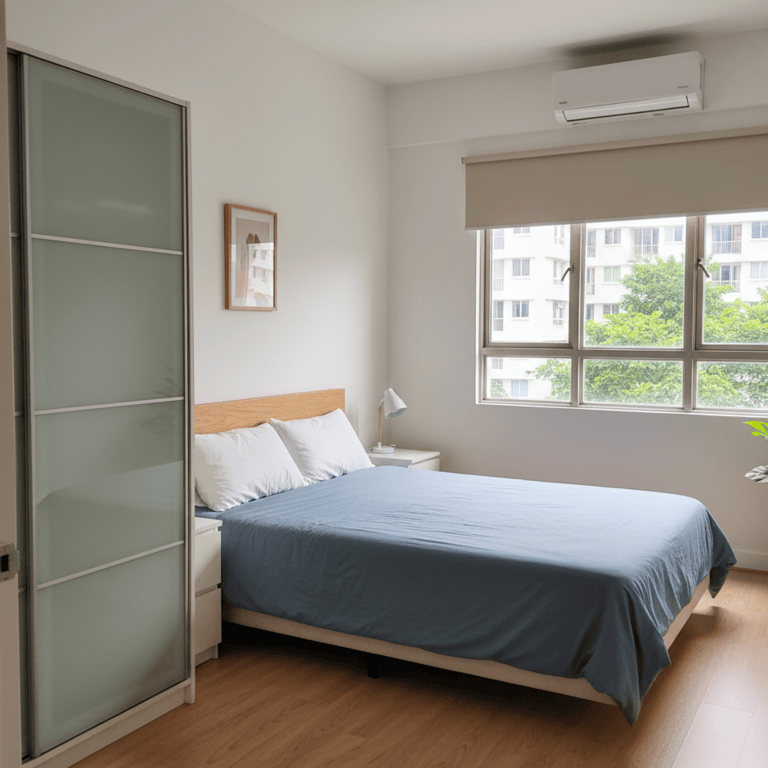
A lot of 1-bedroom units have small bedrooms. A queen-size bed usually fits, but a king-size might be a tight squeeze. With a king, you might have little room left for bedside tables or a dresser. Always check the room dimensions beforehand to ensure you can still move around comfortably.
Equal split is common, but consider room size differences and individual usage patterns. Master bedroom tenants might pay slightly more due to ensuite usage and larger space. Track air-con usage if one person uses it significantly more. Some roommates prefer separate electricity meters or smart plugs to monitor individual consumption for fairer billing.
Deposits are security against damage and unpaid bills, usually returned after handover if conditions are met. Read the break clause carefully, including notice requirements, potential fees, and whether a replacement tenant is allowed. Keep everything documented and dated.
Even with more space, it’s wise to plan storage to avoid clutter. Use the built-in wardrobes in the bedrooms. If one bedroom is spare, add extra shelves or cabinets there. Use any storeroom or utility room for bulky items. Assign each type of item a spot so storage is spread out. And declutter regularly even with more room.