Short stays exist but many landlords prefer 12‑month leases. If you need flexibility, ask about minimum term, extension options, and early termination fees before you pay a deposit.
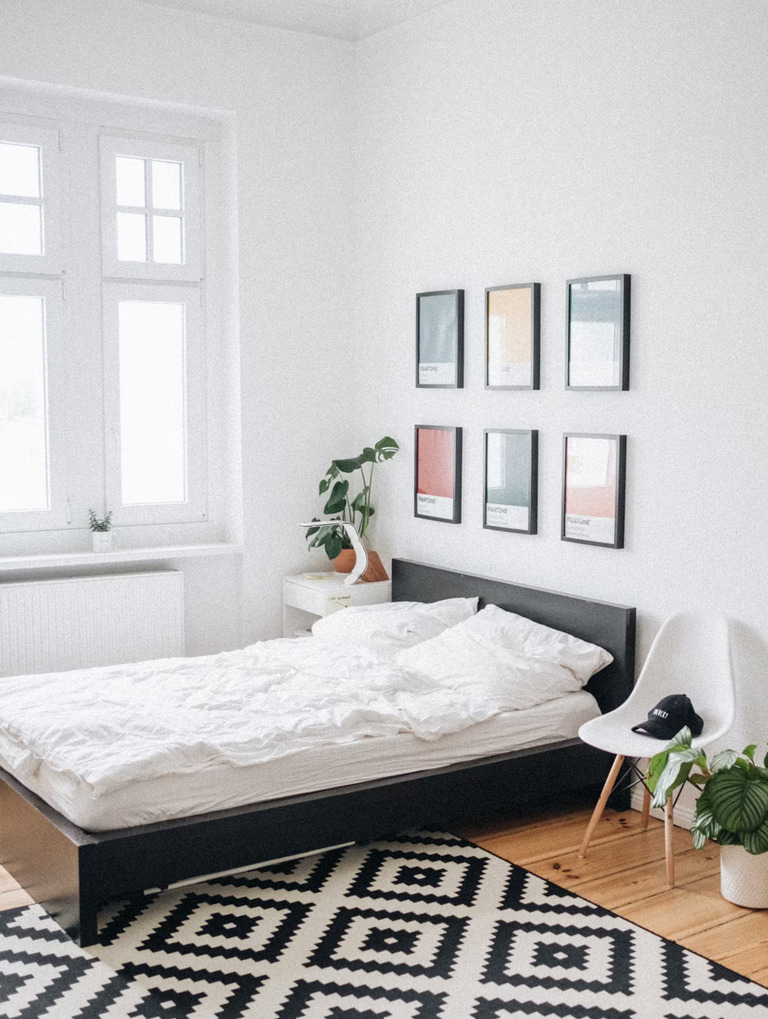
Measure wardrobe depth, check for full-length hanging, and look for shelves that suit daily items. Visualize bed placement, door swing, and airflow. Make sure a desk or cot fits without blocking pathways or covering sockets and switches.
A lot of 1-bedroom units have small bedrooms. A queen-size bed usually fits, but a king-size might be a tight squeeze. With a king, you might have little room left for bedside tables or a dresser. Always check the room dimensions beforehand to ensure you can still move around comfortably.
Landed houses offer more space but lack condo facilities. You’ll likely get a bigger room and maybe a garden or yard to enjoy. However, you won’t have amenities like a pool or gym on-site. It’s a balance: more personal space and privacy in exchange for not having shared facilities.
Landed houses have different safety profiles with multiple entry points, windows at various levels, and potential outdoor access. Ensure proper locks on your room and understand emergency evacuation routes from upper floors. Consider personal security measures and understand neighborhood safety patterns, especially if your room has ground-level access.
Renting a condo unit gives you on-site amenities and added security. You’ll typically have access to facilities like a swimming pool, gym, and BBQ areas. Condos also provide a gated, secure environment (often with guards or access cards), which means more privacy and peace of mind.
Condo deliveries are usually held by security when you’re out. Couriers drop packages at the guardhouse or concierge instead of outside your door. You’ll be notified when something arrives so you can collect it. This keeps parcels secure, but you will need to pick them up from the guard post.
Look for stains on ceilings, peeling paint, and musty smells after rain. Outside, inspect gutters, downpipes, and ground drains for blockages. Ask about recent roof repairs and how quickly water pooling or leaks are handled when reported.