Condos often require advance notice for moving, elevator booking, security deposits for potential damages, and specific timing restrictions. You may need to register with management, provide tenant information, and understand building access procedures. Plan ahead and coordinate with your landlord for smooth move-in logistics.
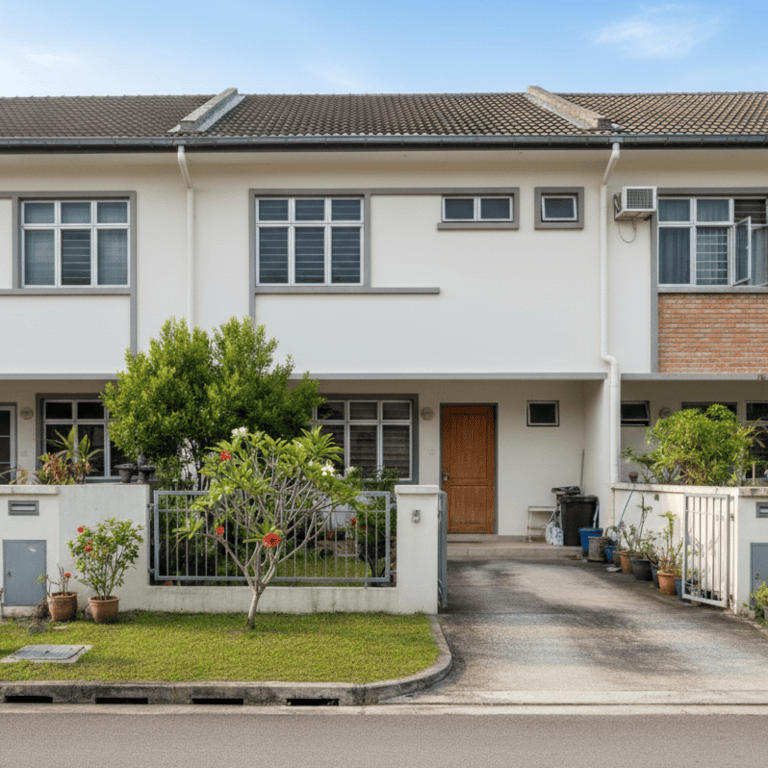
HDB flats are government-built public housing with practical layouts and affordable rent, but fewer amenities. Condominiums are private developments with facilities like pools and gyms, but higher rent and management fees. Landed houses offer the most space and privacy with gardens, but are the most expensive and may be further from public transport. Each serves different lifestyle needs and budgets.
No, they aren’t equal. Usually, the master bedroom is largest, and the other bedrooms are smaller. Often the third bedroom is particularly tiny – fine for a kid or study, but tight for a big bed. So check dimensions: one room will likely be much smaller than the master.
Void decks host community events, celebrations, and sometimes funeral wakes that can create noise and activity. Lower floor rooms may be more affected by these activities. While these are part of HDB community life, understand the typical schedule and duration of events, and plan accordingly for noise-sensitive activities like sleep or work calls.
Short stays exist but many landlords prefer 12‑month leases. If you need flexibility, ask about minimum term, extension options, and early termination fees before you pay a deposit.
Make sure all friends are named on the lease so everyone is equally responsible. Agree clearly on how to split rent and bills, and set basic house rules early on to avoid misunderstandings. Also decide what happens if someone moves out before the lease ends, since you’re all responsible together.
Maximize vertical space with over-door organizers, under-bed storage boxes, and wall-mounted shelves that don't require drilling. Use multi-functional furniture like storage ottomans. Check if you can use common area storage like store rooms or if the landlord allows additional furniture.
Condos have security and access controls. You’ll get a resident card or fob for gates and lifts. Visitors usually need to sign in at the guardhouse, and you might have to approve them. Know your condo’s guest procedure so friends can visit smoothly.