Living alone means you bear all utility costs, so efficiency matters. Use programmable thermostats for air-conditioning, switch to LED lighting, and unplug devices when not in use. Consider your usage patterns - cook in batches, do laundry efficiently, and use appliances during off-peak hours if available. Monitor your monthly bills to identify high-consumption periods and adjust habits accordingly. Some units benefit from smart home devices to optimize energy usage.
Establish clear common area rules and assign personal storage spaces in each bedroom. Use the third bedroom strategically - as a study, guest room, or helper's quarters. Create a household schedule for shared spaces like bathrooms and kitchen. Consider installing additional hooks and organizers in common areas to prevent clutter.
Families need significant storage for clothing, toys, school supplies, and household items. Look for built-in wardrobes in each bedroom, linen closets, kitchen storage, and utility areas. Check if there's a storeroom, under-stair storage, or if you can add storage furniture without overcrowding the space.
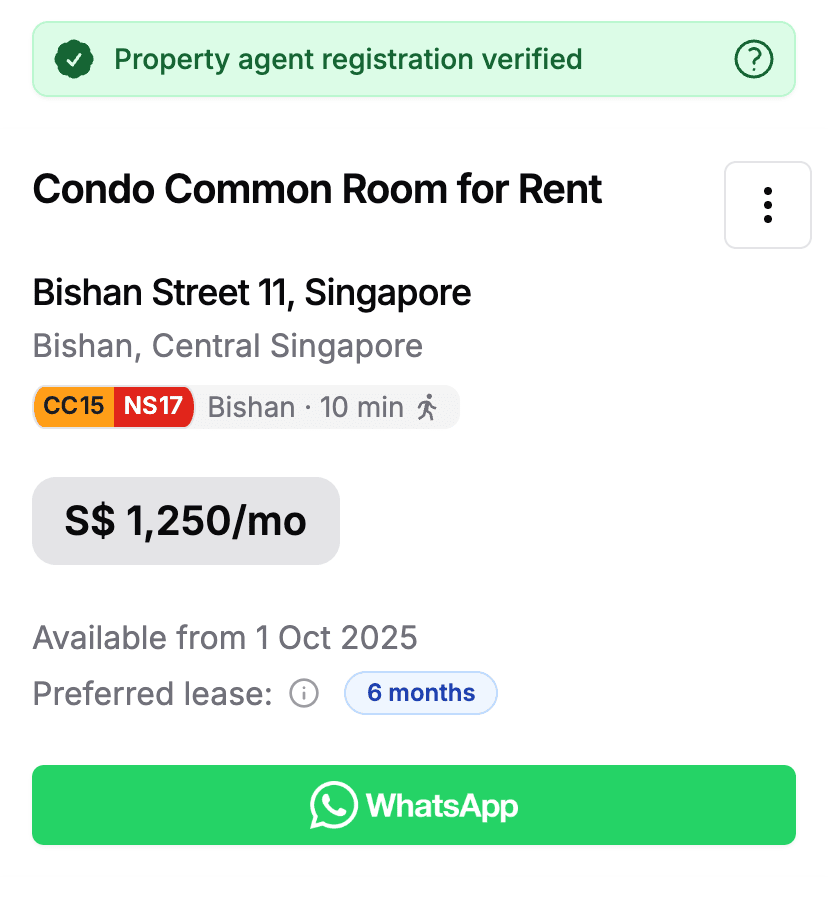
Common rooms may cost up to 40% less than master rooms in the same property. The savings come from smaller size and shared bathroom access. However, factor in potential inconvenience costs like needing backup toiletries or adjusting your schedule around bathroom availability. For budget-conscious renters, the savings often justify the trade-offs.
Pros include spacious living, private outdoor space, parking, and quiet neighborhoods. Cons include higher costs, longer commutes to city centers, more maintenance responsibilities, and potentially fewer international amenities nearby. Consider proximity to international schools, expat communities, and whether the space justifies the premium over condos with more services.
Clarify responsibility for mowing, pruning, sweeping, and bin management. Agree on weed control and handling of fallen leaves after storms. If a gardener is included, confirm frequency and scope. Outdoor upkeep keeps pests down and protects your deposit.
1-bedroom units offer better work-life separation than studios with a dedicated bedroom for sleep and living area for work. You can have video calls without showing your bed, and maintain professional backgrounds. However, the limited space means you'll need efficient furniture and good organization. Consider noise levels from neighbors and ensure good internet connectivity for reliable remote work.
Factor in daily transport costs to work, not just rent. A cheaper rental far from MRT might cost more overall with daily taxi/grab rides. Consider monthly transport passes, peak hour surcharges, and travel time value. Properties near MRT stations command higher rent but offer convenience and cost savings. Calculate your total monthly housing + transport budget realistically.