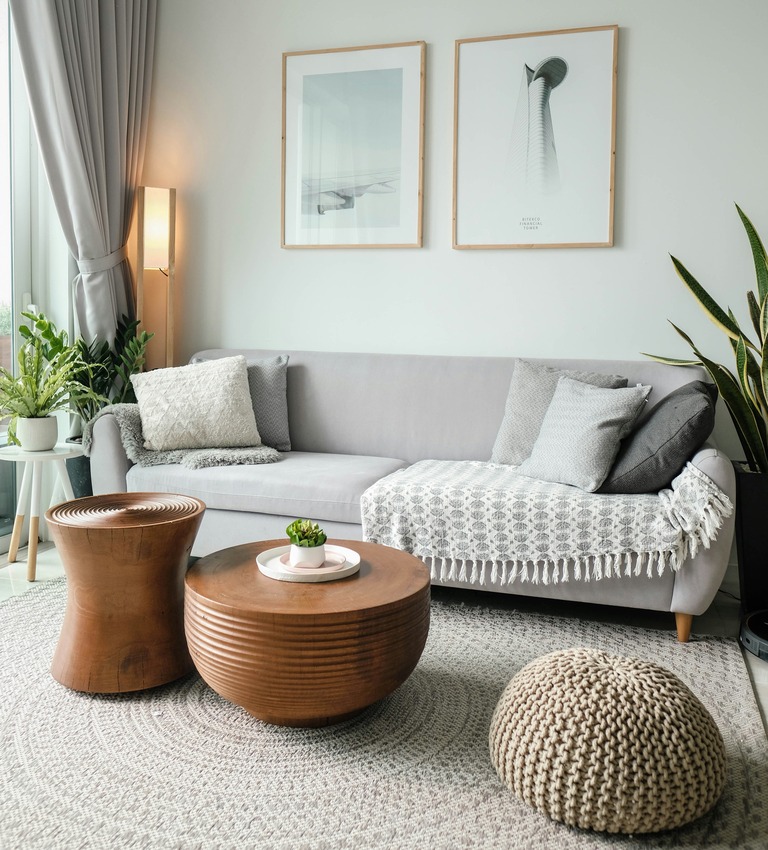
Living alone can be isolating, so actively build social connections through neighborhood activities, building events, co-working spaces, or hobby groups. Consider inviting colleagues or friends over regularly, join community centers or sports clubs nearby, and maintain regular contact with family and friends. Balance the privacy benefits of solo living with intentional social engagement.
Yes, even a tiny balcony is useful. You can sit outside for fresh air—place a small chair and table to create a cozy outdoor corner. Some tenants use balconies to dry laundry (if allowed) or grow a few potted plants. It's like having a little extra outdoor space for relaxation.
Renting a whole unit suits those who value privacy and space. It’s ideal for families, couples, or a group of friends who want the whole place to themselves. You can use and arrange the home as you wish, but you also shoulder full responsibility for rent, bills, and maintenance.
For kids, safety is key. Look for window grilles or child locks if you’re in a high-rise. If there’s a balcony, ensure it’s safe (you might add netting or grilles). Choose rounded furniture edges and secure bookshelves. A simple toy storage system keeps clutter controlled and reduces tripping hazards during busy mornings.
Condos regularly schedule maintenance for elevators, water systems, and facilities that can disrupt daily routines. Stay informed through building notices, plan alternative routes during elevator maintenance, and keep backup water supplies during plumbing work. Communicate with your landlord about any major disruptions that affect your room's habitability or access.
A common bedroom (smaller room without attached bath) is usually a fit for single renters who want a more budget-friendly option. You’ll trade privacy for affordability, so focus on good housemate fit, clear rules, and a layout that gives you a calm place to unwind.
Many are, but not all. Confirm air‑con in your room, servicing schedule, usage rules, and who pays for maintenance. Older compressors may be less efficient and noisier.
Renting a condo unit gives you on-site amenities and added security. You’ll typically have access to facilities like a swimming pool, gym, and BBQ areas. Condos also provide a gated, secure environment (often with guards or access cards), which means more privacy and peace of mind.