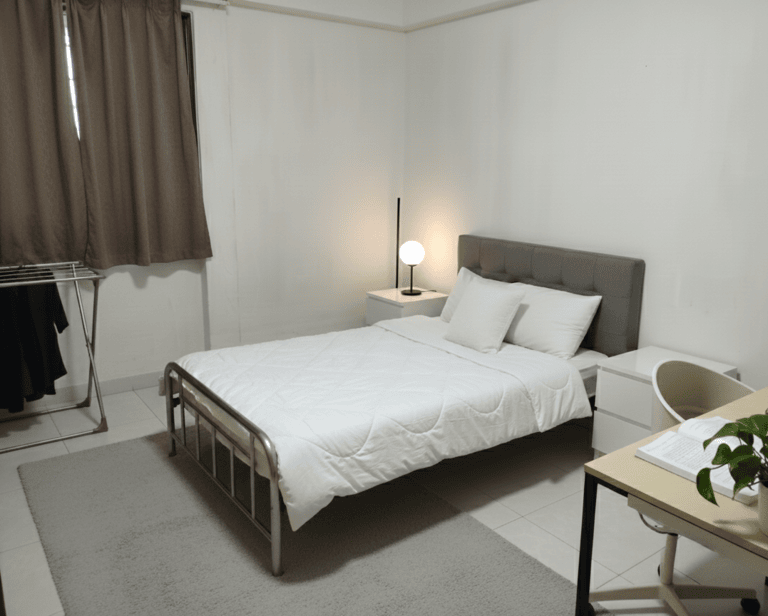
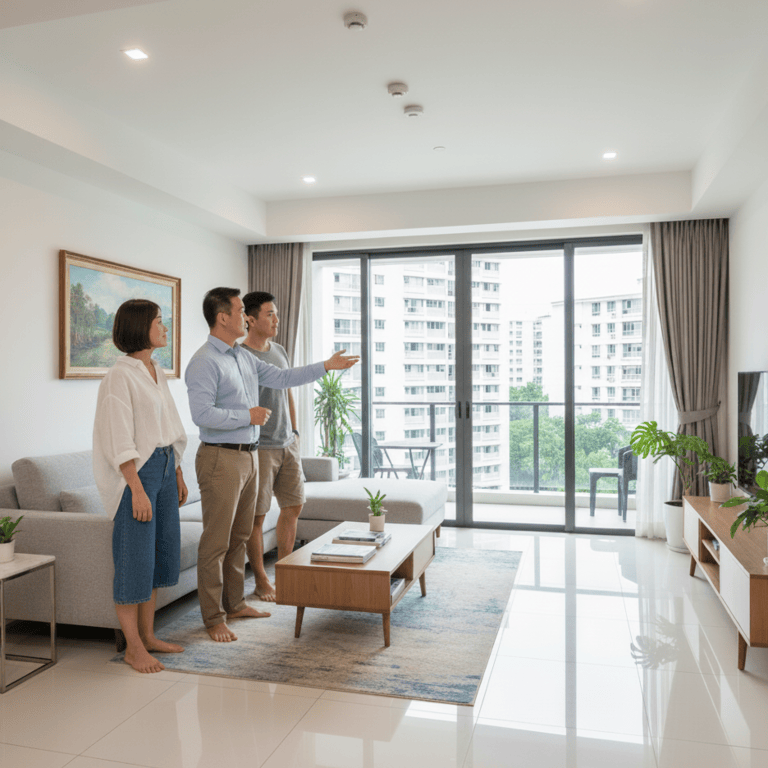
A common bedroom (smaller room without attached bath) is usually a fit for single renters who want a more budget-friendly option. You’ll trade privacy for affordability, so focus on good housemate fit, clear rules, and a layout that gives you a calm place to unwind.
Landed houses have different safety profiles with multiple entry points, windows at various levels, and potential outdoor access. Ensure proper locks on your room and understand emergency evacuation routes from upper floors. Consider personal security measures and understand neighborhood safety patterns, especially if your room has ground-level access.
Make sure all friends are named on the lease so everyone is equally responsible. Agree clearly on how to split rent and bills, and set basic house rules early on to avoid misunderstandings. Also decide what happens if someone moves out before the lease ends, since you’re all responsible together.
Equal split is common, but consider room size differences and individual usage patterns. Master bedroom tenants might pay slightly more due to ensuite usage and larger space. Track air-con usage if one person uses it significantly more. Some roommates prefer separate electricity meters or smart plugs to monitor individual consumption for fairer billing.
Run the shower and taps to test water pressure and hot water – make sure it heats up and flows well. Flush the toilet to ensure it works properly. Look around for any signs of leaks or mold (check under the sink and around the edges of the shower). See if there’s a ventilation fan or window, because you’ll want moisture to escape to prevent mildew.
Aim to return the home in similar condition, focusing on kitchens, bathrooms, and flooring. Degrease hoods, wipe seals, and clear drains. Replace spent bulbs and wash removable filters. Provide dated photos after cleaning to support a smooth deposit outcome.
Condos have by-laws residents must follow. Common rules cover noise (quiet hours), visitor sign-ins, proper garbage disposal, and use of shared facilities. Ask your landlord about any specific condo rules. Abiding by them will keep you out of trouble with management and neighbors.
Consider your family's growth plans and changing needs over the lease period. Evaluate room sizes for current and future occupants, proximity to schools and family-friendly amenities, and whether the layout supports aging in place. Factor in the total cost of ownership including utilities, maintenance, and potential rent increases. Choose a location that balances space needs with commute convenience and community resources.