Usually yes, but it’s important to clarify the rules. Ask your landlord or flatmates about kitchen use: Can you cook full meals anytime or is it “light cooking only”? Also, check how fridge space is shared. Make sure you clean up after using the kitchen (wash your dishes, wipe the stove) as a courtesy. As long as everyone respects common areas, you should be able to use the kitchen and store your groceries in the fridge without issue.
Place your desk in the living area and keep the bedroom for sleep. Close the bedroom door for mental separation. Good habits around screen time help the space feel restful after hours.
No, they aren’t equal. Usually, the master bedroom is largest, and the other bedrooms are smaller. Often the third bedroom is particularly tiny – fine for a kid or study, but tight for a big bed. So check dimensions: one room will likely be much smaller than the master.
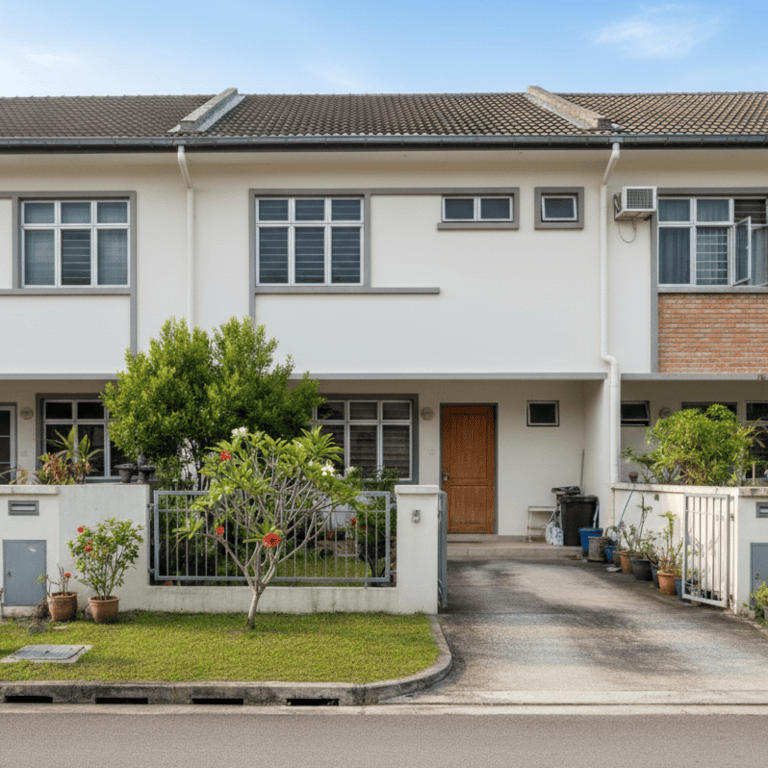
Yes. Many landed homes have two or three storeys, so you'll be using stairs daily. If you have young children or elderly family, consider safety (installing baby gates, sturdy handrails). Different floors give privacy with bedrooms separate from living areas, but you'll also be climbing up and down a lot.
Factor in daily transport costs to work, not just rent. A cheaper rental far from MRT might cost more overall with daily taxi/grab rides. Consider monthly transport passes, peak hour surcharges, and travel time value. Properties near MRT stations command higher rent but offer convenience and cost savings. Calculate your total monthly housing + transport budget realistically.
Not typically. You’ll rely on public gyms, community clubs, and neighbourhood pools. Many tenants prefer HDBs for value and convenience to everyday shops and transport.
Rooms beside the living room, corridor, or kitchen feel busier. If the room's window faces a busy street or the corridor where neighbors walk by, you might also get more outside or hallway noise. Check door seals and window frames. Soft furnishings like rugs and thicker curtains can help reduce everyday noise transfer.
Yes, if you coordinate meeting times, choose a call zone, and use headphones. Ask about desk space in communal areas and quiet hours for focus. A shared calendar prevents overlapping calls echoing through thin doors or hallways.