Yes – condos strictly limit renovation noise to certain hours. Loud work (like drilling) is only allowed on weekday daytimes (no noisy construction at night or on Sundays). Any repairs or renovation you plan must also be scheduled within the allowed daytime hours.
In a landed house, residents handle all the cleaning. Large spaces (living rooms, kitchen, stairs) mean more work, so housemates should set a chore routine or hire a cleaner together. Agreeing on who cleans what (and when) keeps the big home comfortable for everyone.
Check window seals and drainage before rainy season starts. Ensure you have adequate ventilation to prevent mold in humid conditions. Stock up on dehumidifiers or moisture absorbers. Know how to operate all fans and air-con units efficiently. Test that umbrellas and rain gear are accessible, and understand evacuation procedures if your area is flood-prone.
Pros include spacious living, private outdoor space, parking, and quiet neighborhoods. Cons include higher costs, longer commutes to city centers, more maintenance responsibilities, and potentially fewer international amenities nearby. Consider proximity to international schools, expat communities, and whether the space justifies the premium over condos with more services.
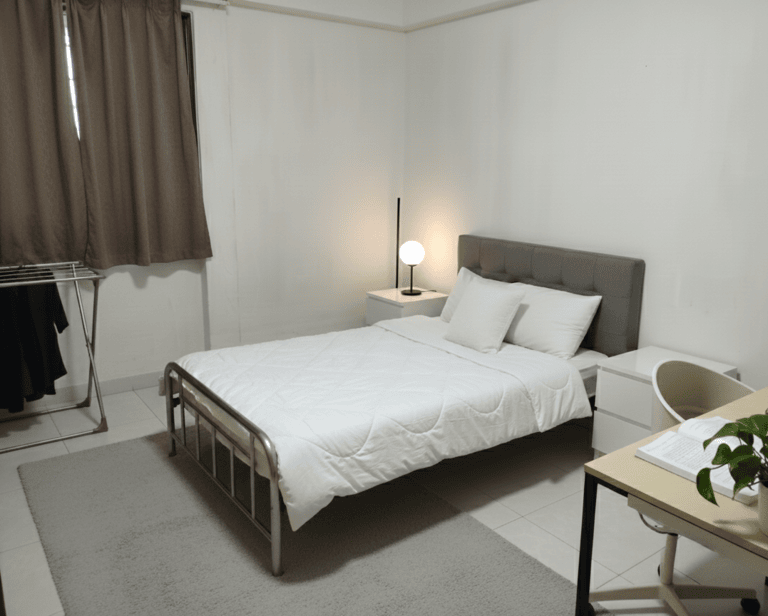
A studio apartment is basically one open room (with a separate bathroom). It's best for a single person or a couple who don't mind a compact space. If you prefer minimal upkeep and everything in one area, a studio could suit you.
With multiple rooms and potentially multiple air-con units, electricity costs can be substantial. Consider zoned cooling - only cool rooms that are in use. LED lighting throughout the unit reduces electricity consumption. If sharing with others, discuss fair splitting of utilities based on actual usage patterns rather than equal division.
Be wary of listings with prices significantly below market rate, requests for payment before viewing, or landlords who can't meet in person. Verify ownership through property records if possible. Never transfer large sums without seeing the property and meeting the actual landlord or authorized agent. Use secure payment methods and get proper receipts for all transactions.
Check for window safety features, electrical outlet covers, sharp corners on built-in furniture, and secure balcony railings. Look for adequate lighting, non-slip flooring in bathrooms, and whether the layout allows parents to supervise children easily. Consider proximity to playgrounds and family amenities.