Condos regularly schedule maintenance for elevators, water systems, and facilities that can disrupt daily routines. Stay informed through building notices, plan alternative routes during elevator maintenance, and keep backup water supplies during plumbing work. Communicate with your landlord about any major disruptions that affect your room's habitability or access.
Take advantage of amenities to justify higher rent costs. Use the gym instead of paying for external memberships, utilize the pool for exercise and relaxation, and book function rooms for gatherings. Many condos offer additional services like concierge, dry cleaning pickup, or maintenance services. Factor these conveniences into your rental value assessment.
Master rooms command premium rent due to size and ensuite access. Research comparable listings to understand market rates. Consider negotiating longer lease terms for rent stability, or ask about inclusive utility caps to manage higher consumption costs. Some landlords offer furnished master rooms - evaluate if the premium is worth the convenience.
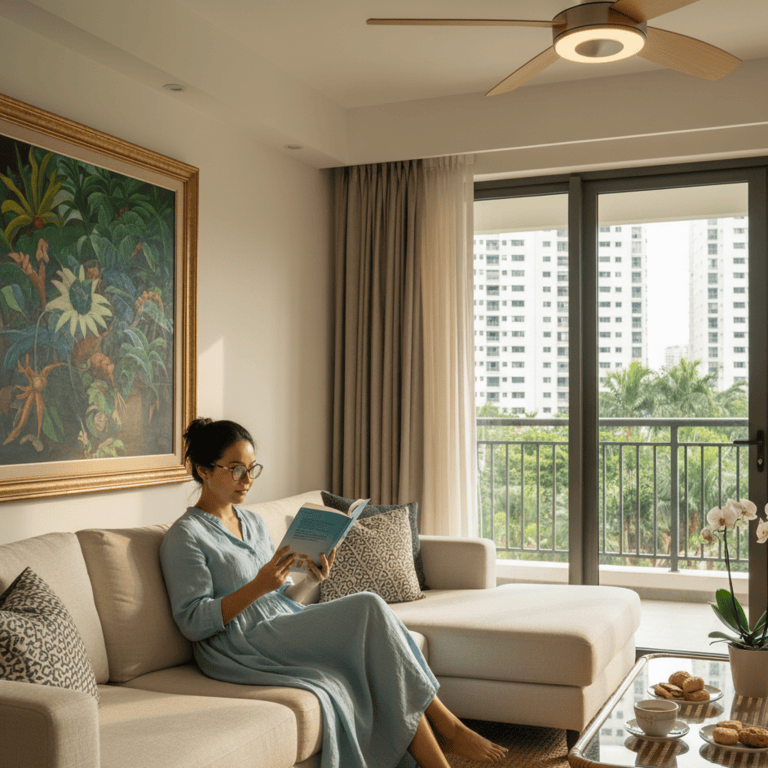
Use the additional space for a work area, reading nook, or exercise space. Consider whether you need all the space for bedroom functions or can create multiple zones. The extra room allows for larger furniture pieces, more storage, or simply a less cramped living environment.
Yes, a larger space usually means higher utility costs. In a 4-bedroom, you may run four or more aircon units plus more lights and devices, which adds up. More people/rooms also likely means more water usage. So expect to pay higher electricity and water bills than in a smaller unit. To manage costs, use AC and lights only when needed and choose energy-efficient appliances.
Sharing reduces rental costs and can provide companionship, but requires compatibility and clear agreements about shared spaces, expenses, and lifestyle habits. Consider whether both bedrooms are equally desirable, how to split utility costs fairly, and what happens if one person wants to move out early.
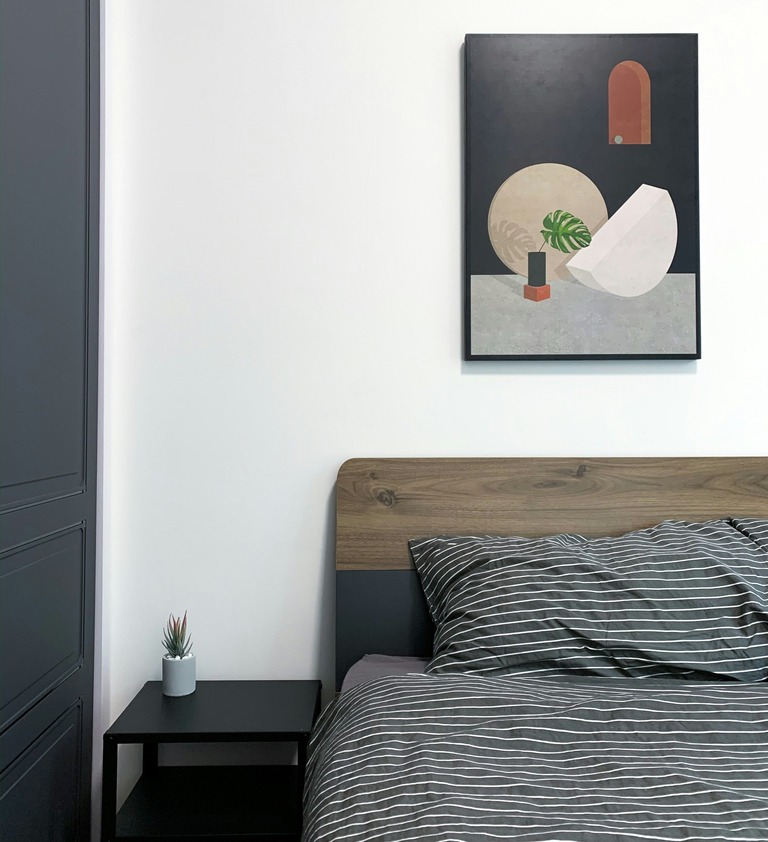
A lot of 1-bedroom units have small bedrooms. A queen-size bed usually fits, but a king-size might be a tight squeeze. With a king, you might have little room left for bedside tables or a dresser. Always check the room dimensions beforehand to ensure you can still move around comfortably.
A master bedroom (with an attached bathroom) is ideal if you value extra space and privacy. It’s great for couples or individuals who want more room and their own bathroom. You get a larger area to yourself, which is nice if you work from your room or just like having a private bathroom and more storage. If your budget allows and you prefer not to share a bathroom, a master bedroom is a good choice.