Lower floors offer easier access during elevator outages and lower utility costs, but may have noise from foot traffic, security concerns, and limited views. Higher floors provide better views, less noise, and more privacy, but depend on elevators and may have higher cooling costs. Mid-level floors (3rd-8th) often balance these factors well. Consider your mobility needs, noise tolerance, and whether views matter to your daily comfort.
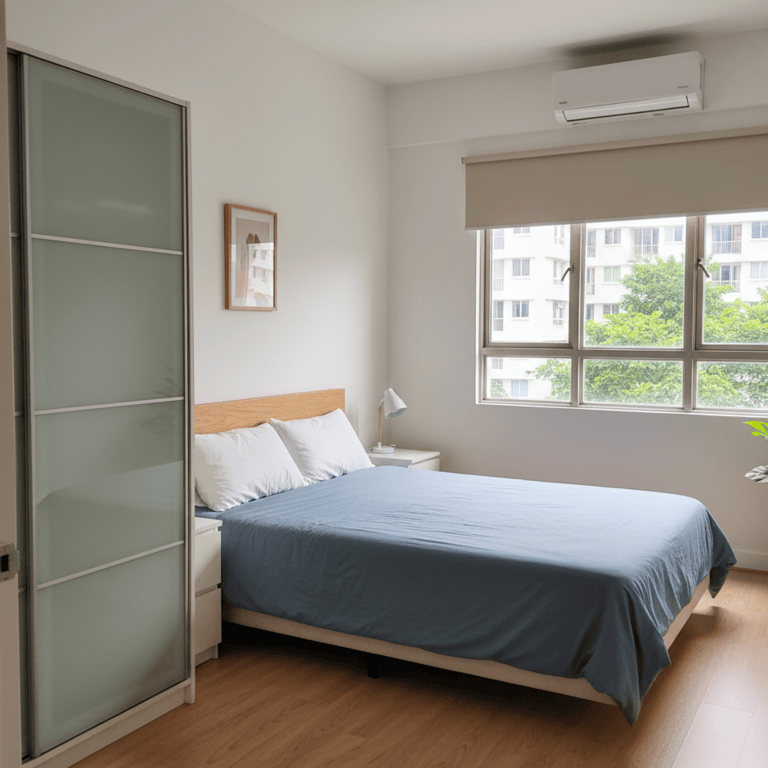
No, they aren’t equal. Usually, the master bedroom is largest, and the other bedrooms are smaller. Often the third bedroom is particularly tiny – fine for a kid or study, but tight for a big bed. So check dimensions: one room will likely be much smaller than the master.
Open kitchens feel social and spacious but spread cooking smells. Closed kitchens contain noise and grease better. Think about your cooking style, ventilation, and how often you host. The right choice depends on whether you prioritize openness or cleanup ease.
For two roommates, equal-sized bedrooms (and ideally two bathrooms) are preferable. For a small family, a larger master and a smaller second bedroom (for a child or study) works fine. So it depends: roommates usually want a balanced layout, while families can manage with one bigger and one smaller room.
Aim to return the home in similar condition, focusing on kitchens, bathrooms, and flooring. Degrease hoods, wipe seals, and clear drains. Replace spent bulbs and wash removable filters. Provide dated photos after cleaning to support a smooth deposit outcome.
You need to plan beyond just monthly rent. Budget for your security deposit, utility bills (electricity, water, gas), internet, and any regular maintenance or air-con servicing costs. Also factor in moving expenses and possible agent fees.
Many require a booked timeslot for lift padding and may collect a refundable deposit. Confirm required forms, booking windows, and whether your landlord handles them. Plan deliveries to match the approved window so movers aren’t turned away unexpectedly.
For kids, safety is key. Look for window grilles or child locks if you’re in a high-rise. If there’s a balcony, ensure it’s safe (you might add netting or grilles). Choose rounded furniture edges and secure bookshelves. A simple toy storage system keeps clutter controlled and reduces tripping hazards during busy mornings.