Look for termite trails, droppings, and swollen wood. Check ceilings and corners for water stains and bubbling paint. Outside, inspect gutters and downpipes after rain. Ask about previous treatments and how quickly issues are handled when reported.
Air-con significantly impacts electricity bills in Singapore's climate. Discuss usage patterns with housemates - some prefer it only at night, others need it during work-from-home hours. Agree on temperature settings (24-26°C is efficient) and whether common areas should be cooled. Consider individual room usage tracking or splitting bills proportionally based on usage patterns.
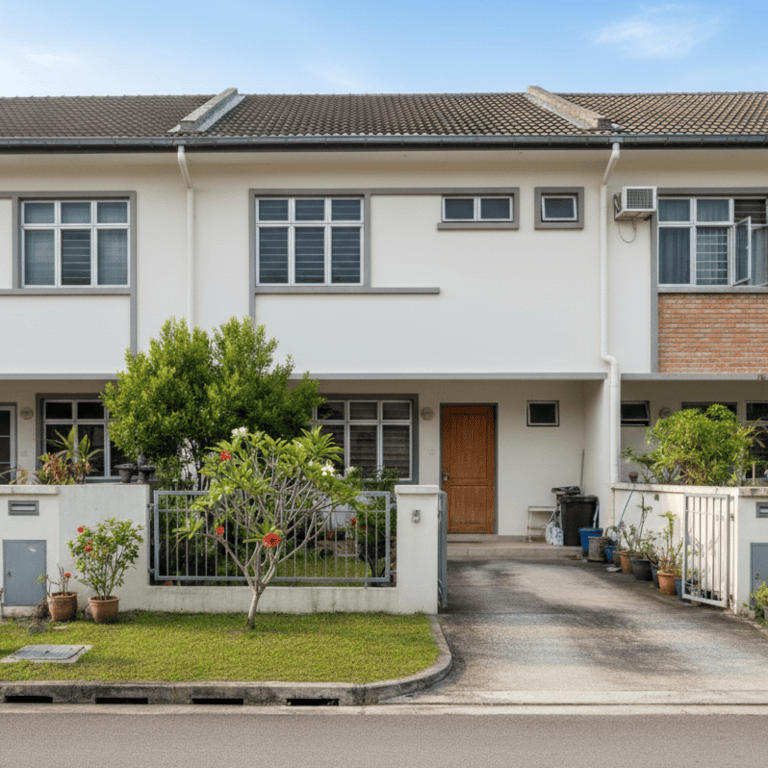
Expect a quieter, more suburban lifestyle with potentially longer commutes to city centers. You'll have more space and privacy but fewer nearby amenities compared to HDB or condo living. The pace is generally slower, with more responsibility for property upkeep. Consider whether you prefer the space and tranquility over urban convenience and connectivity.
Consider your long-term needs and budget carefully. 4-bedroom units cost significantly more in rent and utilities, but offer future flexibility as families grow. The extra space can serve as home offices, guest rooms, or hobby areas. However, if you won't use the space effectively, a 3-bedroom might be more economical. Factor in the cost per square foot and your actual space utilization.
Communicate openly about issues before they escalate, respect shared spaces, be considerate with noise and cleanliness, and contribute fairly to household expenses. Participate in house meetings, be flexible with compromises, and remember that small gestures like shared meals can build positive relationships.
Measure wardrobe depth, check for full-length hanging, and look for shelves that suit daily items. Visualize bed placement, door swing, and airflow. Make sure a desk or cot fits without blocking pathways or covering sockets and switches.
Address excessive utility usage diplomatically but firmly. Document patterns with photos of meter readings or bills showing spikes. Propose individual monitoring solutions like smart plugs for high-energy appliances or separate air-con timers. Consider splitting bills proportionally based on actual usage rather than equally. If direct conversation fails, involve the landlord to mediate or implement individual metering systems.
Teenagers require more privacy and independence than younger children. Consider bedroom assignments that provide adequate separation from parents and siblings, ensure good soundproofing for music and phone calls, and discuss household rules about friends visiting. Plan for increased utility usage and potential need for additional internet bandwidth or separate study spaces.