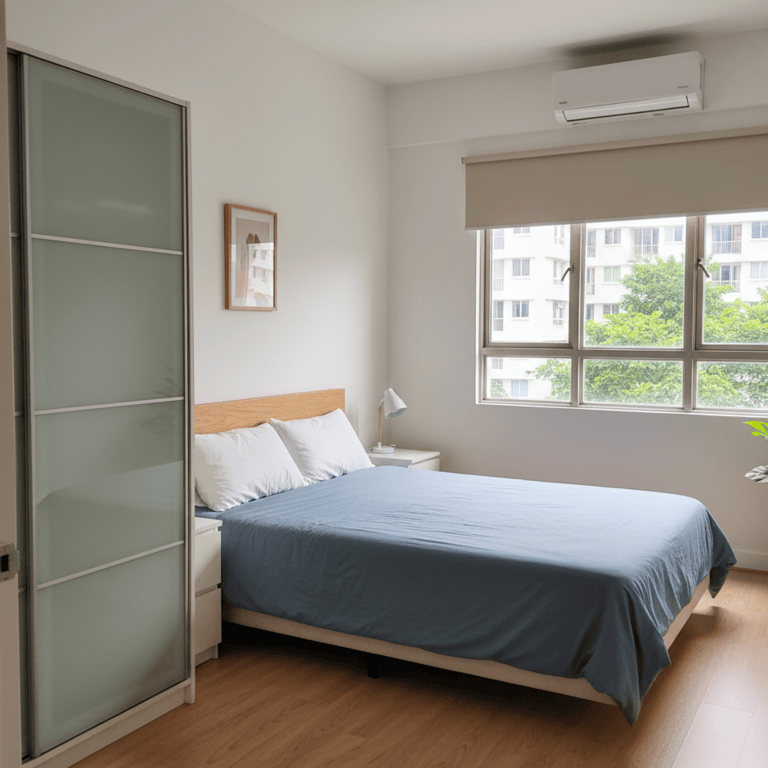
No, they aren’t equal. Usually, the master bedroom is largest, and the other bedrooms are smaller. Often the third bedroom is particularly tiny – fine for a kid or study, but tight for a big bed. So check dimensions: one room will likely be much smaller than the master.
Ask about work schedules, sleep schedules, social habits, cleanliness, and how issues are handled. If one of you is very neat and the other more casual, it could cause friction. Observe fridge organization, sink state, and bathroom tidiness during viewing. Look for someone whose daily routine and approach to shared living align well with yours. Trust your instincts – feeling comfortable with their personality is a good sign.
Yes, tenants can usually use condo facilities like the pool, gym, function rooms, or BBQ pits. Ensure the landlord gives you a resident access card. Some amenities require advance booking or small fees (e.g., BBQ pits or tennis courts), so check the condo’s booking procedures and rules.
Take advantage of amenities to justify higher rent costs. Use the gym instead of paying for external memberships, utilize the pool for exercise and relaxation, and book function rooms for gatherings. Many condos offer additional services like concierge, dry cleaning pickup, or maintenance services. Factor these conveniences into your rental value assessment.
Condo deliveries are usually held by security when you’re out. Couriers drop packages at the guardhouse or concierge instead of outside your door. You’ll be notified when something arrives so you can collect it. This keeps parcels secure, but you will need to pick them up from the guard post.
Landed houses offer more space but lack condo facilities. You’ll likely get a bigger room and maybe a garden or yard to enjoy. However, you won’t have amenities like a pool or gym on-site. It’s a balance: more personal space and privacy in exchange for not having shared facilities.
Corner units typically offer better ventilation, more natural light, additional windows, and sometimes larger layouts. They may also have less shared walls with neighbors, providing more privacy. However, they might be more expensive and could be noisier if facing main roads or having more external exposure.
HDB's ethnic integration policy may limit rental options based on the current ethnic composition of the block. This affects both tenants and landlords. Be prepared for potential limitations and understand that this is a government policy designed to maintain racial harmony, not discrimination by individual landlords.